












- WIADOMOŚCI
The role of NATO and Europe in the Sahel

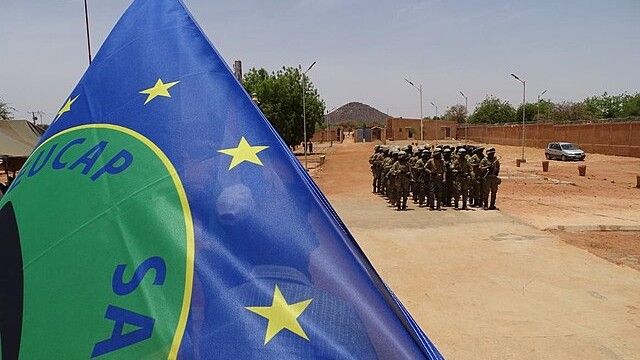
The dynamics of changes in the Sahel, combined with the geopolitical proximity of the Maghreb, should make Europe rethink its engagement and develop a long-term, coherent security strategy adapted to the realities of the region.
The Sahel region remains one of the most undervalued and marginalised areas in EU and NATO security policies. Between 2021 and 2023, most EU and international initiatives concerning the Sahel have been suspended, despite security, migration and radicalisation challenges steadily increasing.
This situation calls not only for an in-depth analysis of potential threats, but also for the development of a long-term, coherent security strategy. Numerous national, regional and international actors are involved in the region, including the armed forces of the countries of the Sahel, the African Union, ECOWAS, the UN, the EU and partners outside the continent, but the problem is the lack of coordination.

Inconsistent approaches, competing interests and limited cooperation mechanisms make stabilisation efforts fragmented and often ineffective. Both the negative experience of the NATO intervention in Libya and the failure of French military missions have contributed to the reticence of Western states to engage in another long-running operation.
The analysis showed that these challenges require a comprehensive, long-term international strategy combining military actions with political reforms and development support. The strategy should include support for local security structures, investment in socio-economic development, stabilisation of state institutions and countering radicalisation and forced migration.

The instability of the Sahel threatens international security, particularly in Europe and NATO countries, and intensifies uncontrolled migration. For this reason, a coordinated response from regional governments and international organisations is essential to effectively address these threats.
The future of the Sahel is not without significance for Europe, which is already suffering the consequences of the destabilisation of the region in terms of migration and geopolitics.


