












- ANALIZA
- WIADOMOŚCI
Transnational crime as a security threat

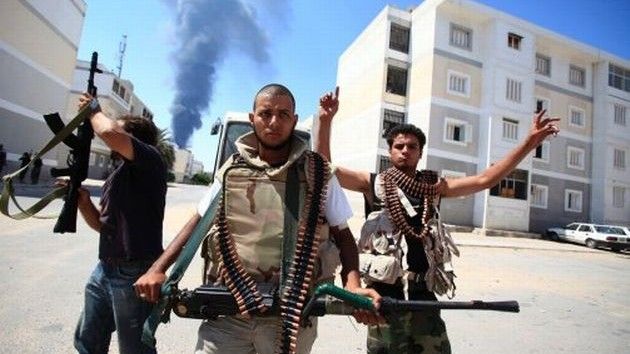
A report by the US Department of State noted that 77% of children, 67% of women, and 76% of men moving through Libya had been trafficked. Such statistics highlight the trend of transnational crimes between Europe and North Africa that threaten European security.
The strength of human smuggling, trafficking, and drug trafficking in Europe as transnational crimes lies in the security breakdown in North Africa. This breakdown is triggered by political conflicts, and this is the context in which insecurity in North Africa and Europe is defined.
These political conflicts in North Africa create security gaps whose ripple effects are felt across Europe. This is spurred by conflict and resource scarcity, further weakening security structures, thus creating a self-perpetuating cycle of crime originating from conflict, terrorism, and migration.
Despite measures that have been crafted by multilateral organisations like Interpol through the project ENACT to deal with this problem, these are still inadequate as the challenges presented by transnational crime are exacerbated by climate change and conflict. Extreme weather conditions create uninhabitable living conditions, which trigger forced movements that are utilised by human smugglers and traffickers. Smuggling and trafficking thrive across Libya, Chad, and Sudan, with a report by the Global Initiative Against Transnational Organised Crime noting that in 2024, 71,000 refugees were recorded as they sought to cross the Mediterranean into Europe.
With weakened national security structures and the cross-border challenge that transnational crime presents, a multifaceted approach from international institutions like the United Nations, African Union, NATO, and Interpol is required. At a core level, the presence of conflicts in African countries like Sudan, Libya, and Chad limits individual country measures to address these challenges, as the focus shifts to defending their countries and resolving conflicts. The burden falls on multilateral organisations to implement effective measures to address the crimes.
See also 

Refugees from countries like Ethiopia and Eritrea use Sudan as a route on their journey to Europe. According to a report by the Global Initiative Against Transnational Organised Crime, these refugees are smuggled into Europe by boats across the Mediterranean.
Additionally, transnational criminals engage in illicit trade through markets that human traffickers and smugglers use to move desperate refugees. Through such markets, transnational crime sustains conflict thanks to funding mechanisms for armed groups. This is seen in the Chad, Libya, and Sudan triangle where these actors, working together with armed groups, smuggle and traffic human beings, food, fuel, and arms, which creates funding and sustainability for armed groups. It is important to note that in this triangle, all three countries are currently experiencing political instability.
Furthermore, ISIS, which operates partly in Libya and has terror cells globally, has been linked to human smuggling across the Maghreb into Europe. This creates a chain of terrorism and human trafficking across the two continents. A 2025 Interpol report noted that women are trafficked via Niger and Libya into Italy, further signalling a threat to Italy’s security due to conflict. Such security threats align with one of NATO’s priorities of strategic foresight, which focuses on addressing the main trends in international security, including transnational crimes like human trafficking, smuggling, and drug trafficking. This threatens the security of NATO members like Italy and Spain, among others.
Crimes like street-level drug trafficking thrive in Italy with support from Nigerian transnational criminal actors who embed themselves within the immigrant community, as reported by ENACT. This is in addition to other crimes like human trafficking, which is strengthened by the exploitation of loopholes in the Italian system by the Nigerian criminals. Such activities threaten peace and the safety of average Italians. In a bid to address this challenge, stringent measures are taken; however, they often end up threatening the innocent migrants who face victimisation and deportation.
Location and proximity play a critical role in how transnational criminals exploit loopholes, as is the case with West and North Africa’s closeness to Southern European countries like Italy, Spain, and Malta. This puts these countries under considerable threat. According to the International Organisation for Migration, the Western Mediterranean Route is often used as an entry into Spain, while the Central Mediterranean has been used for Italy and Malta.
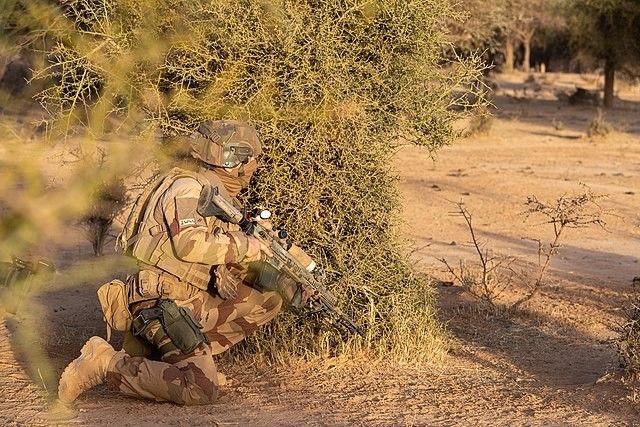
Addressing the security threat presented by transnational criminals to European countries requires a multifaceted approach that includes strengthening current measures against transnational crime and centring human security. Adherence to international treaties like the Arms Trade Treaty to curb the diversion of arms to conflict zones is essential. It would be imperative for the United Nations Refugee Agency to take more stringent measures as it registers and moves refugees into settlement areas. This would support efforts to curb trafficking and smuggling of refugees because most of them are left out of the system due to a lack of paperwork, according to the report by the Global Initiative Against Transnational Organised Crime.
The movement of refugees and climate immigrants should form part of security discussions and should not be left to a humanitarian approach. This would encourage the move from the United Nations Refugee Agency to the United Nations Security Council. Furthermore, rather than barring refugees from accessing European countries, which encourages transnational crime like human trafficking, resettlement conversations should be held on how to accept and integrate those who show up on the shores.


