












- WIADOMOŚCI
Türkiye is developing a missile defence shield. The new Aselsan system
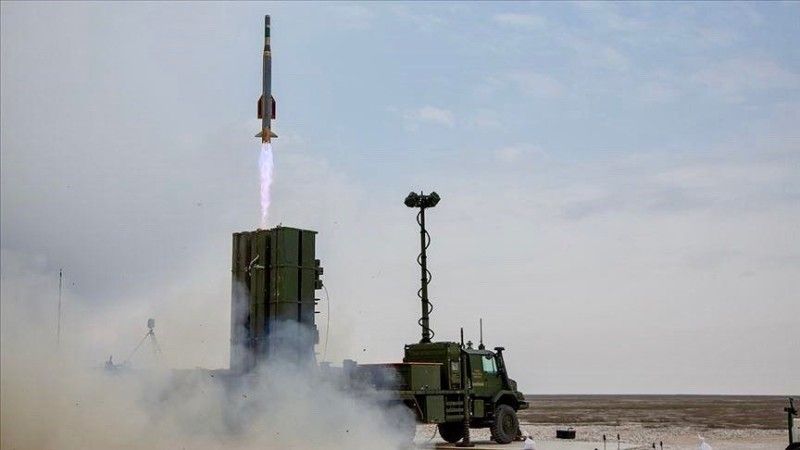
Aselsan is to develop a next-generation air and missile defence system under a contract with the Turkish Presidency of Defence Industries (Savunma Sanayii Başkanlığı – SSB). The contract, valued at €523 million, expands the company’s involvement in developing capabilities to combat aerial threats. Concurrently, Ankara is increasing deliveries of existing systems and expanding the Steel Dome (Çelik Kubbe) – an architecture integrating sensors, weaponry, and command systems into a unified defence network.
Aselsan announced the conclusion of the agreement on 26 October via the KAP public disclosure platform. The order covers development work; however, the company has not disclosed the name of the system, its configuration, or the implementation schedule. It also did not specify the interception range or the categories of missiles to be countered.
ASELSAN ile Savunma Sanayii Başkanlığı arasında, Yeni Nesil Hava ve Füze Savunma Sistemi geliştirilmesine yönelik toplam tutarı 523.000.000 Avro olan sözleşme imzalandı. 🌐 An agreement regarding the development of a New Generation Air and Missile Defence System has been signed between ASELSAN and Presidency of The Republic of Türkiye Secretariat of Defence Industries, valuing a total of EUR 523.000.000.
— ASELSAN (@aselsan) October 26, 2026
The new agreement is part of a broader process of expanding Turkish air defence – encompassing both armament deliveries and the development of domestic technologies. Previously, on 5 October, Aselsan announced contracts with the SSB worth a total of €2.46 billion for the delivery of hybrid air defence systems. The combination of these orders indicates two complementary directions of modernisation – increasing the number of batteries available to the armed forces and funding solutions intended for future implementation. In this way, Ankara is enhancing its military potential while simultaneously developing the design and industrial competencies needed to create subsequent generations of equipment.

Long-range defence and countering drone swarms
The priorities for this work were previously outlined by Aselsan CEO Ahmet Akyol. In a February interview with the Anadolu Agency, he announced plans to increase target detection and engagement distances, develop further versions of the Siper system, and more effectively counter drone swarms. He also pointed to the expanded deployment of radars and command systems. These announcements pertain to various levels of defence – from countering numerous, relatively inexpensive unmanned aerial vehicles (UAVs) to intercepting targets at greater distances.
The reference point remains the Steel Dome, or Çelik Kubbe – Turkey’s developing multi-layered air defence architecture. Its premise is the integration of radars, optoelectronic devices, command systems, and weaponry into a network enabling coordinated detection and engagement of threats. Data acquired by individual sensors is intended to create a common air situation picture, serving as the basis for threat assessment and the direction of anti-aircraft system operations. Systems of varying ranges and purposes are thus meant to complement each other’s capabilities – providing successive layers of protection against targets approaching at various altitudes and from different directions.
The current direction of investment suggests that the new system will be adapted to cooperate with the domestic air defence network, although Aselsan has not yet confirmed its link to the Steel Dome. Integration would allow for the expansion of interception capabilities using existing sensors and command systems – while maintaining the utility of previously delivered equipment. The significance of the new design would then depend both on its own parameters and on the extent to which it complements the capabilities of other defence components.


