












- WIADOMOŚCI
A hidden Russian arsenal on Europe’s border

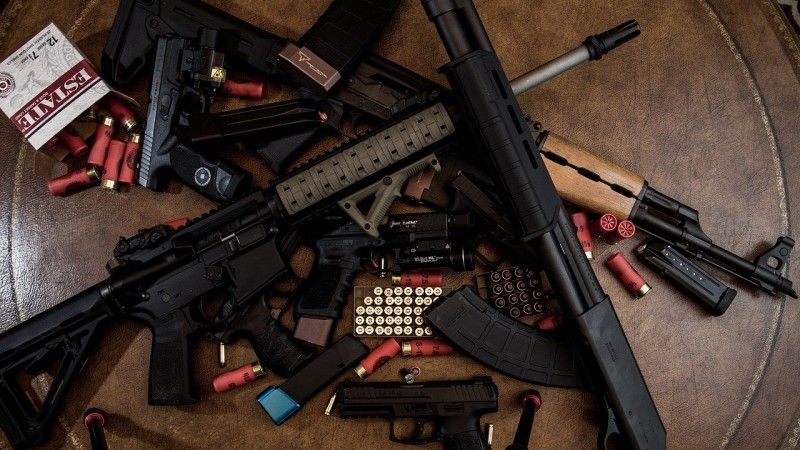
Spanish police have uncovered one of the largest illegal weapons caches discovered in the country in recent years. A total of 644 weapons, thousands of rounds of ammunition, silencers and spare parts were found in Figueres, only around 25 kilometres from the French border. Among six people arrested was a former Russian soldier who allegedly specialised in converting blank-firing weapons into lethal firearms.
The scale of the seizure matters. The weapons were stored in a rented unit transformed into an illegal workshop, and investigators believe they were intended for criminal organisations, including narcotics networks and groups involved in kidnappings. Some weapons had their serial numbers removed, while others had reportedly been stolen.
At this stage, there is no public evidence that the arsenal was connected to the Russian state, Russian intelligence or preparations for sabotage operations in Europe. At the same time, a former Russian serviceman involved in an illegal weapons network is probably part of a Russian intelligence operation.
🇪🇸Hiszpania: arsenał składający się z 644 sztuk broni odkryto w pobliżu granicy z Francją.
— Aleksander Olech (@AleksanderOlech) September 12, 2026
Co ciekawe, aresztowano byłego 🇷🇺rosyjskiego żołnierza.
Ile jeszcze takich składów mają Rosjanie do działań w Europie?
This case should still attract the attention of European security services. Since 2022, millions of people have crossed European borders because of the war in Ukraine, while criminal networks, smugglers and intelligence services have simultaneously exploited much larger movements of people, vehicles and goods. European states have also repeatedly identified Russian recruitment of proxies who do not necessarily have Russian citizenship.
A passport does not always tell security services who a person is working for. In several sabotage investigations across Europe, suspects have held Ukrainian, Belarusian or other passports while the alleged direction of the operation led back to Russia. This does not mean that Ukrainians entering Europe should be treated as suspects. It means that nationality alone is an increasingly weak indicator in counterintelligence work.
🚩Incautadas 644 armas de fuego, silenciadores y miles de cartuchos en una #armería ilegal oculta en un trastero de #Girona 📍
— Policía Nacional (@policia) September 10, 2026
👉El líder de la organización criminal trabajaba en el taller transformando #armas de fogueo y de trauma en armas reales
👮♀️Eran almacenadas y… pic.twitter.com/7cyAs6Hlve
Since the beginning of the full-scale war, there have been repeated concerns about the illegal movement of firearms and military equipment across Europe. Most Western weapons delivered to Ukraine remain under extensive monitoring, but the war has created a much larger environment in which weapons, ammunition, components and military expertise circulate across borders.
The Spanish case does not prove that Russia maintains hidden weapons depots across Europe. But 644 firearms, a clandestine workshop and a former Russian serviceman operating close to the French border are enough to ask a serious question: how many similar networks have not yet been identified? Europe cannot wait until such arsenals are connected to sabotage or terrorism before treating the problem seriously.


