










- WIADOMOŚCI
EU's 22nd sanctions proposal targets former soldiers, banks and sports

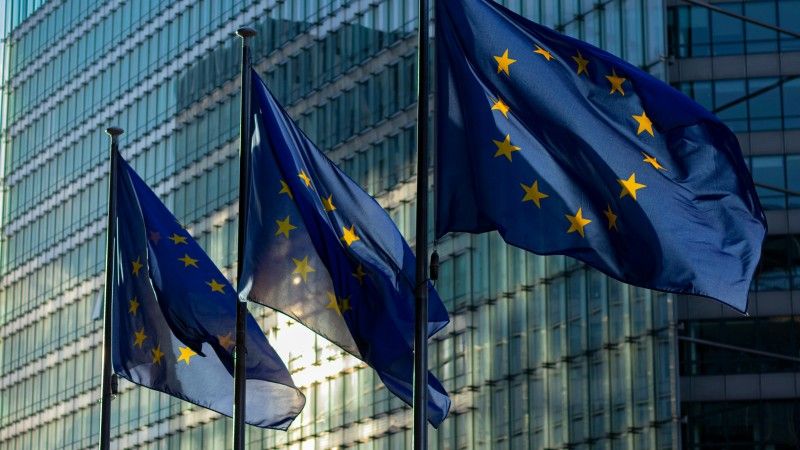
On Monday, Ursula von der Leyen presented the proposal for the 22nd sanctions package. The purpose is to target Russian ex-soldiers, banks, crypto platforms and sports teams. When will it be implemented?
According to the President of the European Commission, the EU is “giving Ukraine the strength to secure peace and giving Russia every reason to choose it.”
The proposal will now be negotiated by EU member states. Ideally, European officials would like to reach an agreement by the end of the year. Nevertheless, this could prove challenging, as sanctions require unanimity among EU countries.
Sanctions in detail
Regarding the sanctions on former soldiers, the main objective is to restrict visas and hinder the ability to travel, as they pose a security risk to Europe – according to von der Leyen. The legal framework for these kinds of restrictions was established in the previous sanctions package over the summer; however, it was not implemented.
Additionally, the European Commission would like to impose sanctions on 70 vessels in the shadow fleet, which Moscow constantly uses to export oil and other commodities.
In terms of restrictions on energy infrastructure, European companies would also be banned from repairing Russian refineries damaged by Ukrainian drone attacks.
As for sports, the EC is aiming to bar Russian teams and athletes from competing in the bloc, arguing that they cannot be part of Russian propaganda. This move would prevent Russia from returning to next year’s Ice Hockey World Championship. The President of the European Commission added that the proposal also includes a ban on the display of official Russian symbols as well as restrictions on financial flows from Russian sponsors to European-based sports and cultural associations.
Moreover, the Commission wants to disconnect 60 more banks from international payment systems, removing them from the SWIFT system and targeting cryptocurrency and payment networks used to circumvent sanctions, facilitating sabotage and espionage. In terms of cryptocurrencies, the Commission has also created a Crypto Sanctions Task Force, alongside new restrictions on 60 Russian banks and additional crypto platforms.
With this package, we are increasing the pressure. We are striking harder at Russia’s ways to finance its war, by targeting its banks and crypto platforms. We are further isolating Russia. We are shutting the door to its participation to European sports and cultural events. We are tightening our visa rules. And doubling down on enforcement. And we will keep proposing new sanctions. Until Russia shows genuine intent for a lasting peace in Ukraine. https://t.co/JgWxbe58bJ
— Ursula von der Leyen (@vonderleyen) November 23, 2026
Importantly, this sanctions package will also include third countries that help Russia to evade EU sanctions. The exact names were not stated, but, certainly, the countries that are the biggest supporters of Moscow are China, India and Türkiye. However, it would be hard to find the political will to target these countries, which are important for the EU economy. It is worth mentioning that Kyrgyzstan was the first country to be hit by the EU’s anti-circumvention tool this year for facilitating evasion through its banks and cryptocurrency companies.
Unfortunately, recently, EU countries have struggled to agree on new measures against Russia. It is worth mentioning that the latest sanctions proposal comes after a difficult year for the EU’s sanctions policy. Earlier this year, disagreements over restrictions on liquefied natural gas delayed a sanctions package for several weeks. Therefore, the future of the 22nd sanctions package is still unknown.