- WIADOMOŚCI
East Front News #79: Why Greenland is strategic for Denmark?

East Front News is a weekly newsletter summarizing the past week’s most important events concerning security and the situation in the Central and Eastern Europe region. It includes original opinions and comments, along with key news items significant from a Polish perspective. If you would like to receive this newsletter, please sign up by clicking
Russia is not done: Sweden's Chief of Defence warns
Sweden assesses Russia as the most serious and enduring threat in the Baltic region, despite Moscow’s heavy losses in Ukraine. According to Sweden’s Chief of Defence, Russia is rapidly adapting, regenerating forces and continuing investments in long-range fires, air defence and naval capabilities, while retaining both the intent and capacity to challenge NATO during an ongoing war.
Stockholm views the Baltic Sea and the High North as a single interconnected strategic space, requiring NATO to act across regions rather than in isolation. Sweden’s contribution to collective deterrence lies in advanced air and naval forces, strong multi-domain situational awareness, and geography central to Baltic operations, supported by close cooperation with Poland and other allies.
Author: Aleksander Olech

Revolution in the Polish Armed Forces: details revealed
Poland has begun implementing a long-term Armed Forces development plan for 2025–2039, shaped by Russia’s aggressive policy and lessons from the war in Ukraine. The document sets the target strength of the military at 500,000 personnel, combining quality with mass, and prioritises readiness for high-intensity, prolonged conflict.
The plan focuses on multi-domain operations, integrated air and missile defence, unmanned systems, deep precision strike and the use of artificial intelligence in command and planning. Together, these measures aim to shift Poland’s deterrence model towards denial and punishment, ensuring the Armed Forces can both absorb and decisively respond to aggression.
Author: Michał Górski

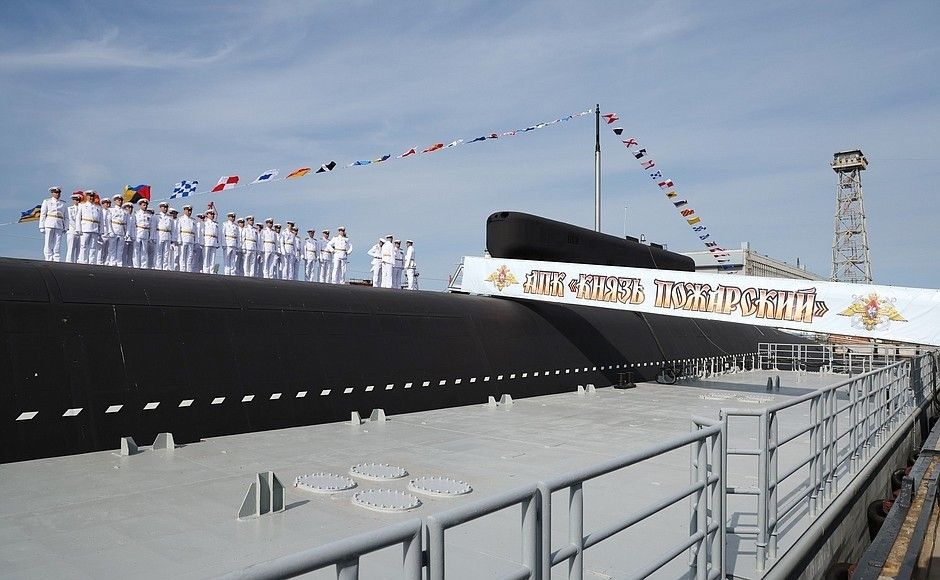
Why is Russia struggling to return to the oceans?
Russia’s ambition to restore its status as a global maritime power remains largely unrealistic, constrained by chronic underfunding, ageing shipyards and the prioritisation of land and air forces during the war in Ukraine. Naval modernisation has focused almost exclusively on
strategic nuclear submarines, while surface combatants and auxiliary vessels suffer from long delays and limited output.
Western sanctions and industrial inefficiencies further undermine shipbuilding capacity, resulting in minimal fleet growth and persistent capability gaps, especially in logistics and replenishment. As a result, Russia’s navy is increasingly confined to operations near its own coastline, with no prospect of a meaningful return to sustained global naval presence in the coming years.
Author: Jarosław Ciślak
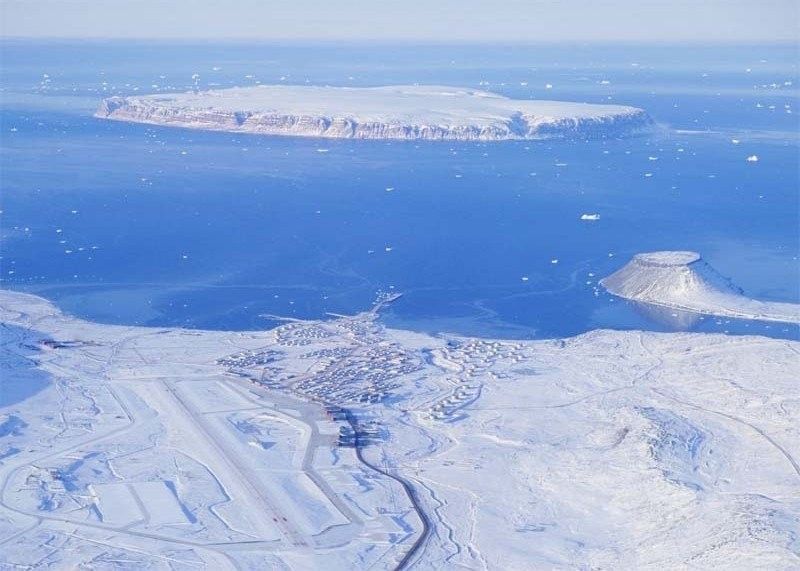
Denmark's apple of the eye: why Greenland is strategic for Denmark
Greenland has become the cornerstone of Denmark’s security posture in the Arctic, serving as a key NATO outpost controlling vital maritime and air routes between North America and Europe. Growing Russian militarisation and expanding Chinese economic interest have elevated the island’s importance to levels unseen since the Cold War.
For Copenhagen, maintaining control over Greenland underpins its status as an Arctic power and its strategic relationship with the United States. Balancing Greenlandic autonomy with defence responsibilities, Denmark seeks to limit foreign influence while strengthening military presence, intelligence cooperation and resilience in an increasingly contested region.
Author: Mateusz Gibała
Germany defends Finland against drones
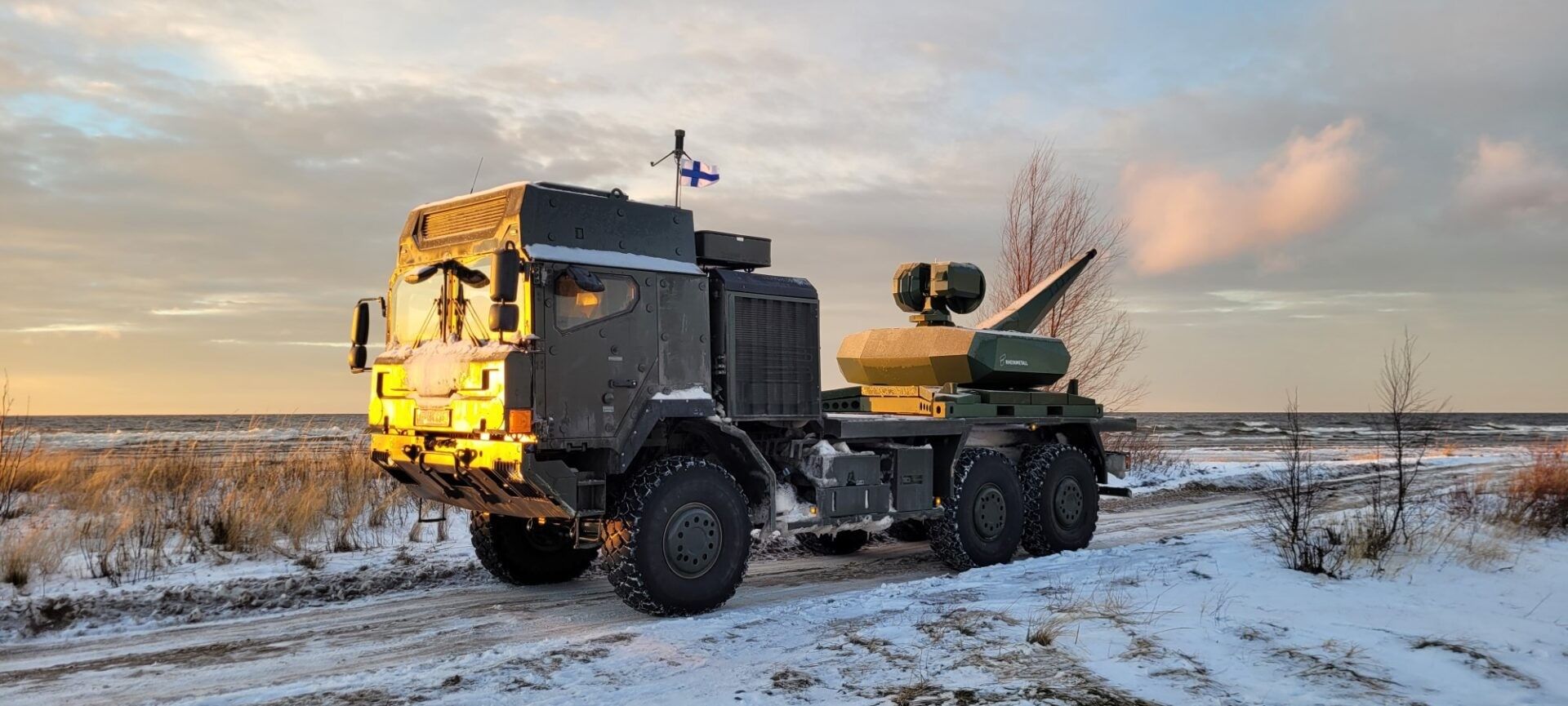
Germany’s defence industry has demonstrated the Skyspotter counter-drone system in Finland, highlighting growing NATO focus on protection against unmanned aerial threats. The system proved capable of detecting and tracking both slow and fast UAVs, reflecting evolving battlefield realities shaped by the war in Ukraine.
Designed with an open architecture, Skyspotter can be integrated with various sensors and kinetic or non-kinetic effectors, offering flexible protection for critical infrastructure. The demonstration underscores increasing European cooperation in counter-UAS capabilities, particularly on NATO’s northern flank.
Author: Adam Świerkowski
Macron furious with the defence industry: "This is not a war economy"
President Emmanuel Macron has openly criticised France’s defence industry for failing to deliver at the pace and scale required by a genuine war economy. Despite increased budgets and production promises since 2022, Paris still operates largely under peacetime procedures, lagging behind partners such as Ukraine in areas like drone manufacturing.
Macron warned that protected national markets are over and that France may turn to foreign suppliers if domestic industry fails to accelerate. His message marks a significant shift in tone on strategic autonomy, placing pressure on manufacturers to move towards mass production, speed and flexibility ahead of the 2027 presidential elections.
Author: Aleksander Olech

Chinese hackers breach UK Foreign Office: Storm-1849 encroaches on Britain's cybersecurity
A serious cyber breach at the UK Foreign Office has exposed vulnerabilities in government systems and reignited debate over Britain’s approach to China. The attack, attributed by many analysts to the China-linked group Storm-1849, may have compromised sensitive visa data, potentially endangering dissidents and diaspora communities.
Beyond the technical failure, the incident highlights a strategic dilemma for London: balancing economic engagement with Beijing against persistent espionage and cyber threats. Critics argue that credible deterrence now requires tougher political decisions, including formally recognising China as a top-tier national security threat.
Author: Andrzej Marszewski
If you would like to receive this newsletter, please sign up by clicking.
East Front News is a weekly newsletter and article on Defence24.com summarizing the past week’s most important events concerning security and the situation in the Central and Eastern Europe region. It includes original opinions and comments, along with key news items significant from a Polish perspective.