












- WIADOMOŚCI
Estonia is building a military base in Narva. Defence starts at the Russian border

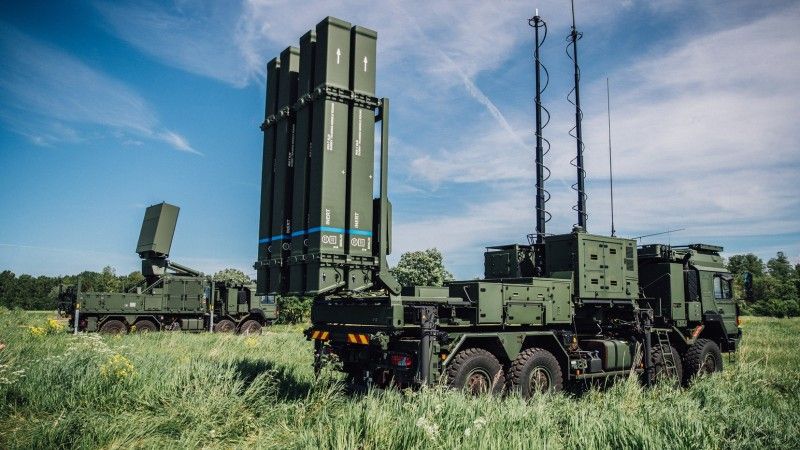
Estonia is moving a permanent military presence directly to Narva, on the border with Russia. The new Estonian Defence Forces base will cost €20.68 million, almost entirely financed by the EU Cohesion Fund, and will eventually allow the presence of up to around 1,000 personnel. The project has been delayed until summer 2028, but its importance goes far beyond the construction of another barracks complex. Narva is becoming one of the key points in Estonia’s defence of its eastern border.
The most important issue is location. Narva is not Tapa, where Estonia hosts heavy forces and NATO units, and it is not Jõhvi, which remains an important base for the 1st Infantry Brigade in the north-east. Narva is different because it brings a permanent military footprint directly to the Russian border. Around 200 personnel are expected to be stationed there permanently, while the infrastructure will provide indoor accommodation for up to 500 troops and temporary capacity for another 500.
This is precisely why the base matters so much for Estonia’s security. Its role will not be to host a large armoured formation permanently, but to ensure that the Defence Forces are already present in the area before a crisis begins. The base will include command and headquarters facilities, accommodation, maintenance and storage buildings, catering, sports facilities and logistics infrastructure. It will also increase Estonia’s ability to receive and support allied forces moving towards the eastern border.
In practice, Narva completes a wider military infrastructure network. Tapa remains the main heavy-force and NATO hub, Jõhvi supports units operating in north-eastern Estonia, Ämari provides the air component, and Reedo improves the ability to receive and prepare additional forces. Narva pushes this system further east. Estonia is therefore reducing the time needed to reinforce the border and increasing its ability to react directly in the area most exposed to pressure from Russia.
The project has been delayed by political turmoil in Narva, which blocked the land allocation process. Construction costs also increased, while the timetable moved to summer 2028. Until the permanent base is completed, Estonia plans to establish a temporary container-based facility capable of hosting a company-sized unit.
See also 
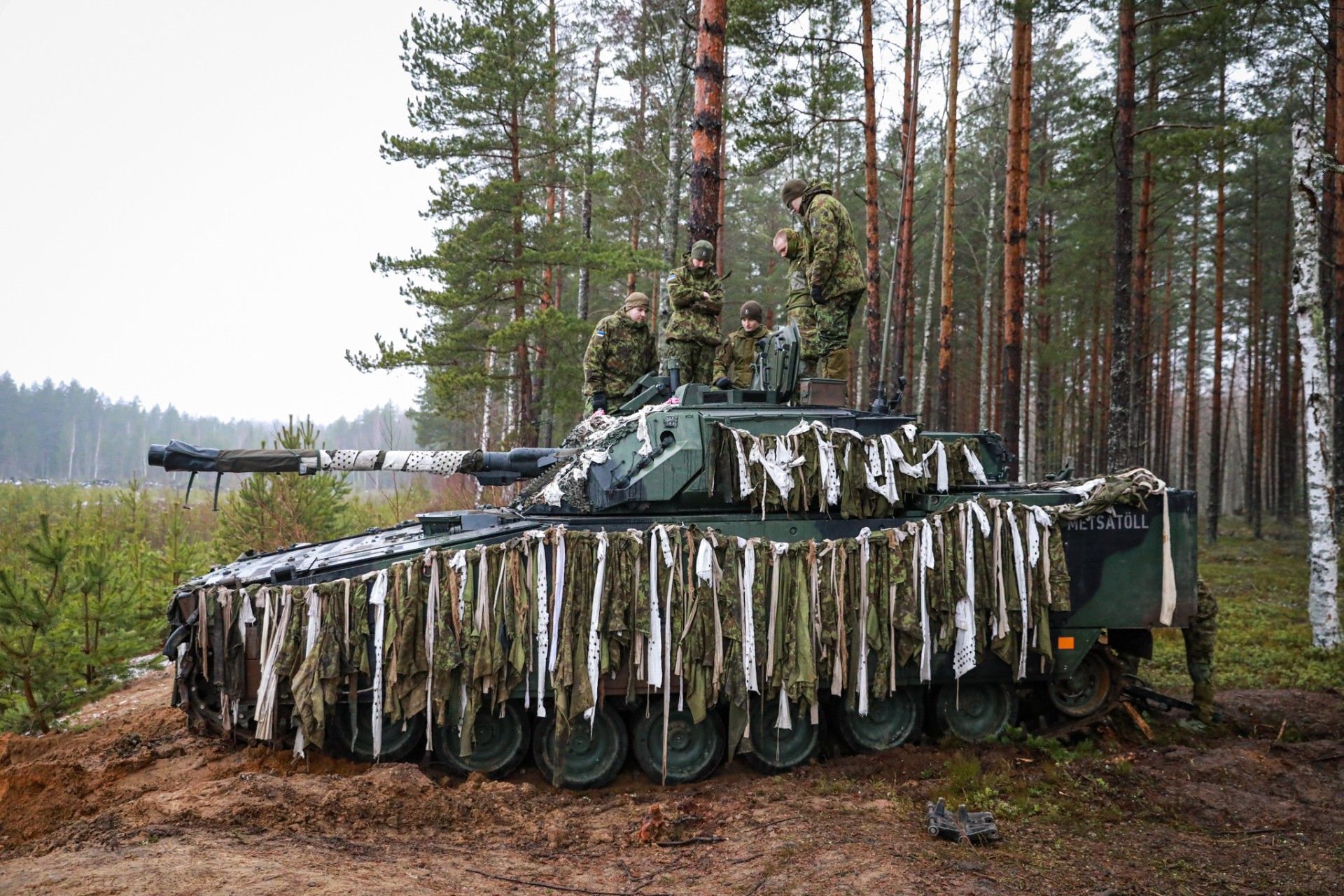
The financing is also important because almost the entire project is being covered by the EU Cohesion Fund. This shows how Estonia is combining EU money, military mobility, protection of the Union’s external border and classic defence infrastructure in one project.
I believe that the „Narva base” is therefore much more than another Estonian military construction programme. It creates a permanent military presence exactly where Estonia and Russia meet. For a country with limited territorial depth, this is crucial. Estonia is not building its defence dozens of kilometres behind the frontier. It is simply building it from the first metre. And this is how it should be managed.


