












- WIADOMOŚCI
How IKEA could become Denmark's emergency bunker

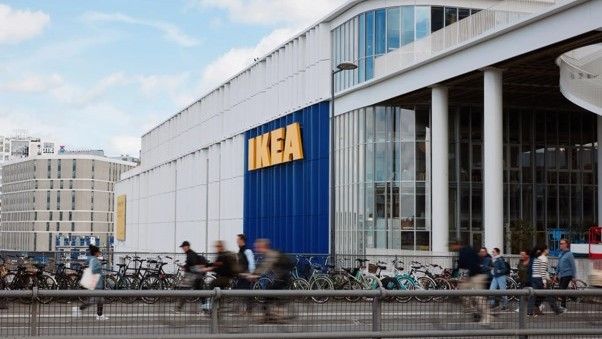
Photo. dac.dk
In the event of blackouts, floods, or attacks on critical infrastructure, IKEA’s Danish stores could be transformed into emergency shelters or temporary hospitals. This concept reflects a broader European initiative to enlist the private sector in keeping society functioning during times of crisis.
An October 9 Reuters report noted that the furniture giant’s restaurants could feed evacuees, its generators could maintain power, and its warehouse inventory could provide extra beds. IKEA says these emergency arrangements are managed on a national level. The company already has experience in this area, having sheltered over 600 people at a store near Valencia during the October 2024 floods.
IKEA is part of Denmark’s Corporate Coalition for Crisis Preparedness, known locally as Virksomhedsberedskabet, which unites more than 200 companies. This voluntary network maps out available resources like transport, food, and specialist staff before emergencies occur and coordinates assistance when requested by authorities. Public agencies identify the specific needs, and individual firms decide what they are able to provide. The coalition has already participated in government exercises but has not yet faced a major emergency.
Other major businesses are taking similar steps. Salling Group is preparing 51 of its stores to operate for at least 48 hours without grid power or internet access. Three pilot locations have already received upgraded generators, and the company aims to complete the full network upgrade by the end of 2027.
These domestic preparations follow a September 24 warning from Denmark’s Defence Intelligence Service. The agency cautioned that Russia is likely to escalate hybrid warfare operations against NATO and Western nations, potentially involving sabotage and destructive cyberattacks. Moscow denies the allegations.

Denmark’s approach closely aligns with the EU’s Preparedness Union Strategy. Launched in March 2025, this framework calls for formal emergency agreements with the private sector to secure essential goods and services. It also proposes joint readiness exercises between civilian authorities and the armed forces while encouraging households to stockpile at least 72 hours’ worth of supplies.


