- WIADOMOŚCI
- KOMENTARZ
Sweden exercises with French nuclear forces. Who is next?

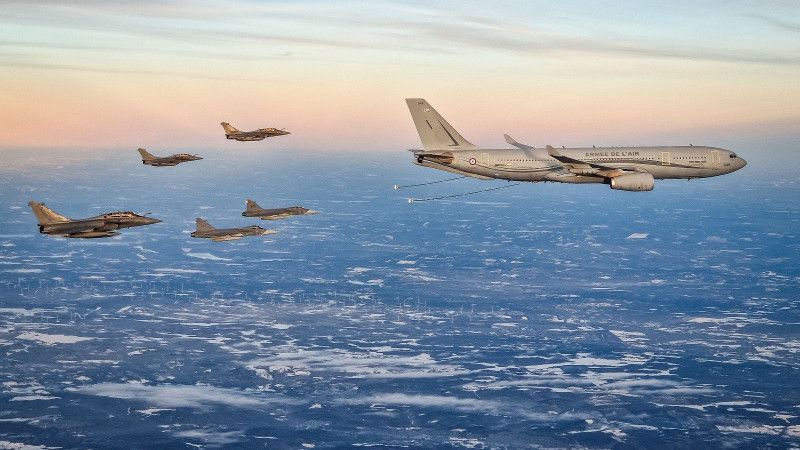
Photo. @EtatMajorFR / X.com
France is maintaining its momentum in developing European nuclear deterrence. Following exercises with Germany and the United Kingdom, and closer cooperation with Finland, it is now Sweden’s turn. French Rafale and Swedish Gripen fighters participated in their first bilateral exercise under the forward deterrence initiative. Emmanuel Macron has increasingly little time to move from consultations to joint military exercises with all the countries involved in his initiative.
From 16 to 18 November 2026, Exercise Excalibur took place in northern Sweden. France deployed Rafale aircraft from its Strategic Air Forces, supported by an A330 MRTT tanker. Sweden participated with JAS 39 Gripen fighters. No nuclear weapons were used, and the detailed exercise scenario has not been disclosed.
☢️🇫🇷🇸🇪 EXCALIBUR - Premier exercice nucléaire entre la France et la Suède Les gouvernements suédois et français viennent de confirmer la tenue du premier exercice bilatéral entre les forces aériennes des deux pays dans le cadre de l'initiative de dissuasion avancée lancée le 2 mars 2026 lors du discours de l'Île Longue. L'exercice, nommé EXCALIBUR s'est tenu dans le Nord de la Suède du 16 au 18 novembre. Il a impliqué des Rafale B et des ravitailleurs MRTT des Forces aériennes stratégiques côté français et des appareils de combat Gripen côté suédois. L'objectif était de démontrer leur capacité à opérer conjointement. Aucun armement nucléaire n'a été mis en oeuvre. Les modes d'action testés ne sont malheureusement pas précisés. Ce type de déploiement permet non seulement de tester la dispersion des appareils français pour améliorer leur capacité de survie à une frappe désarmante adverse, mais ouvre également la voie à de nouveaux modes d'action inenvisageables auparavant, comme l'attaque de cibles dans la grande profondeur de l'Arctique russe ou encore la planification de raids beaucoup plus restreints sans nécessité de ravitaillement en vol, comme illustré sur la carte ci-dessous élaborée conjointement avec le talentueux @Seb_Masson_. Par ailleurs, les Gripen suédois sont d'excellents appareils de combat spécialement conçus pour pénétrer les systèmes défensifs sol-air et air-air russes. Ils pourraient constituer un précieux atouts lors d'un raid nucléaires tout en libérant des Rafale conventionnels pour d'autres missions. Cet exercice est le troisième après celui avec l'Allemagne cet été et après l'opération RUMMY avec la Royal Air Force le mois dernier.
— Etienne Marcuz (@Etienne_Marcuz) November 19, 2026
Interestingly, Swedish Gripens also participated in NATO’s Steadfast Noon nuclear exercise in October. Within just a few weeks, Sweden has therefore participated in two separate nuclear deterrence exercises – first within NATO and then directly in cooperation with France.
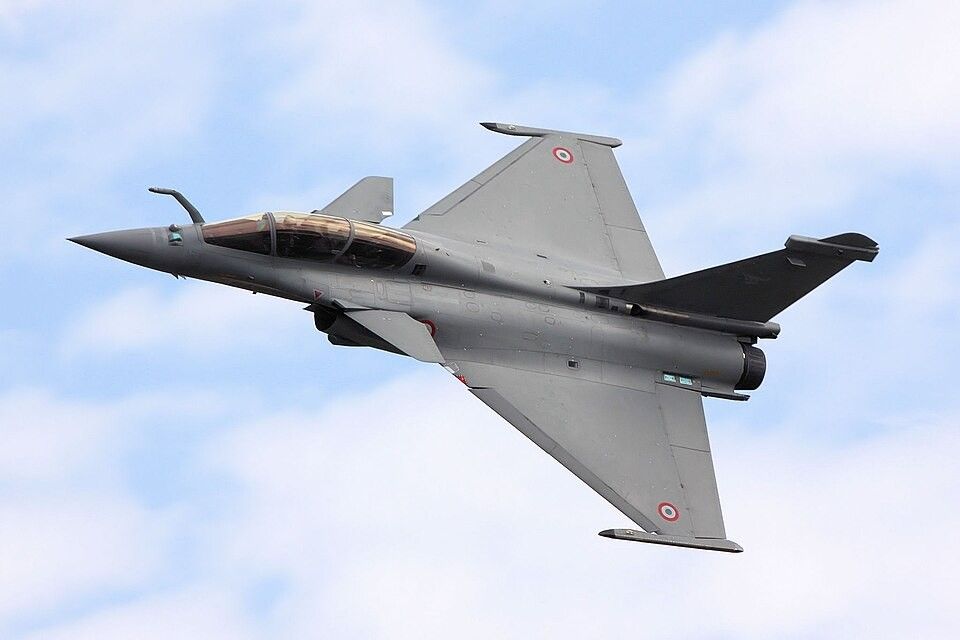
As we previously reported on Defence24, on 20–21 October, British Typhoons escorted French Rafales during a simulated nuclear strike as part of Exercise Rummy. Earlier, in July, French aircraft trained alongside German Eurofighters. Sweden has now joined the group of countries that have moved from consultations to practical military activities.
More countries are waiting
Ten countries are currently cooperating with Paris under the French concept ofdissuasion avancée: the United Kingdom, Germany, Poland, Belgium, the Netherlands, Denmark, Norway, Sweden, Finland and Greece. The question is how many of them France will manage to conduct joint exercises with before Macron’s term ends.
Sweden and France are strengthening our strategic defence cooperation. In an increasingly serious security environment, our partnership is essential to strengthening European security and NATO’s deterrence and defence. (1/4) https://t.co/E98SSMiK46
— Pål Jonson (@PlJonson) November 19, 2026
Ukraine and the Baltic states – Lithuania, Latvia and Estonia – would undoubtedly be interested in such cooperation. For now, however, positive decisions for the Baltic states appear unlikely, given their proximity to Russia. In Kyiv’s case, considering the ongoing war against Moscow, it is difficult to imagine similar exercises taking place.
Macron wants French nuclear deterrence to acquire a genuinely European dimension before he leaves office. This is not about transferring French nuclear weapons to allies, but about preparing their armed forces to operate alongside France’s nuclear deterrent.
Russia must take this growing international involvement into account. As I have pointed out in previous analyses, Moscow takes France’s nuclear capabilities seriously (with respect or fear?), particularly given their independence from the United States. France is now developing cooperation with more countries, practising the use of their military infrastructure and extending the European dimension of its deterrence ever closer to Moscow.
Pour la première fois, les Forces aériennes stratégiques et l'armée de l'Air suédoise @flygvapnet ont mené l'exercice conjoint EXCALIBUR SWEDEN 2026 dans le cadre du partenariat bilatéral 🇫🇷🇸🇪 de dissuasion avancée. Ce déploiement en Suède des Rafale 🇫🇷 aux côtés des chasseurs Gripen 🇸🇪, soutenus par un A330 MRTT 🇫🇷, témoigne du haut niveau d'interopérabilité entre les forces aériennes dans le domaine de la dissuasion nucléaire, au service de la sécurité de l'Europe. Cet entraînement n'a mobilisé aucun armement nucléaire et n'était dirigé contre aucun pays.
— Armée française - Opérations militaires (@EtatMajorFR) November 19, 2026
The most important question, however, is what happens after May 2027, as President Macron has only six months left in office. Will his successor be equally committed to developing a French nuclear umbrella over Europe? The French armed forces will certainly be ready to continue exercises and deepen cooperation with countries on NATO’s eastern flank.
Macron is in a hurry. And rightly so. The more concrete military initiatives are implemented before the change of president, the more difficult it will be for his successor to abandon this cooperation.