


- ANALIZA
- WIADOMOŚCI
Britain escorts French nuclear strike. Nine more European allies could follow

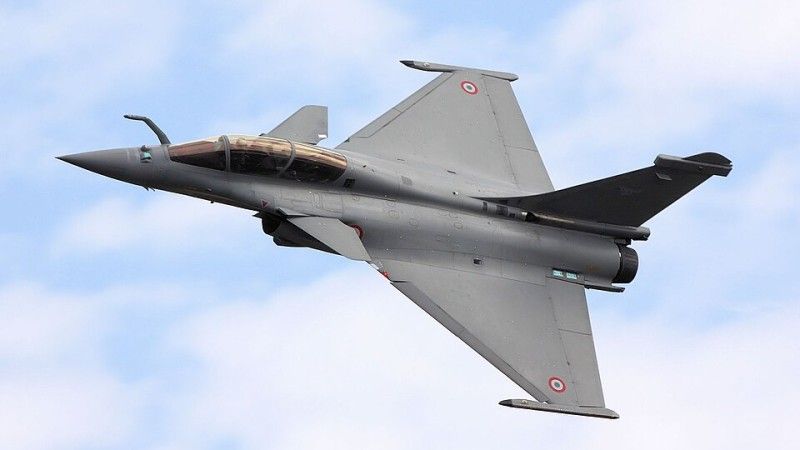
France and the United Kingdom have conducted their first joint airborne nuclear deterrence exercise. British Eurofighter Typhoons escorted French Rafale fighters during a simulated nuclear strike, marking a significant development in military cooperation between Europe’s two nuclear powers. However, Paris has much broader ambitions. Ten European countries are now participating in France’s forward deterrence initiative, and further multinational exercises could follow. Emmanuel Macron has only a few months to develop this cooperation before the French presidential election in April 2027.
The exercise, codenamed RUMMY, took place on 20–21 October 2026. French Rafale B fighters from the Strategic Air Forces simulated a nuclear strike, while Royal Air Force Typhoon FGR4 aircraft provided protection against potential enemy aircraft. A330 MRTT tanker aircraft also participated. The mission was launched from Saint-Dizier air base in northeastern France and included operations over the Mediterranean.
The most important development was the involvement of British conventional aircraft in protecting a French strategic strike mission. France’s Strategic Air Forces have traditionally conducted nuclear exercises independently, using French aircraft for both strike and escort operations. This time, British pilots were directly involved in the mission. It demonstrates that European allies can support French nuclear operations without possessing nuclear weapons themselves or participating in decisions concerning their use.

The exercise follows the Northwood Declaration signed in July 2025, under which London and Paris agreed to coordinate their independent nuclear deterrents more closely. The two countries possess different capabilities. Britain relies on submarine-launched Trident II D5 ballistic missiles, while France maintains both submarine-based nuclear forces and Rafale aircraft capable of delivering ASMP-family nuclear cruise missiles. British Typhoons therefore provided conventional protection for a capability that the United Kingdom does not currently maintain within its independent nuclear forces.
Ten countries in France's nuclear initiative
RUMMY is also relevant to the concept ofdissuasion avancée, or forward deterrence, announced by Emmanuel Macron on 2 March 2026. Ten European countries are now involved: the United Kingdom, Germany, Poland, the Netherlands, Belgium, Greece, Sweden, Denmark, Norway and Finland. The initial eight partners were joined by Norway in May and Finland in September. Paris is offering strategic consultations, participation in nuclear deterrence exercises and the possibility of temporarily deploying elements of its strategic air forces to allied territory.
Germany has already begun practical cooperation with France. On 16 July, two French Rafale fighters operated alongside German Eurofighters and an A330 MRTT during an aerial refuelling exercise at Nörvenich air base. The activity did not simulate a nuclear strike, but it was organised within the framework of Franco-German cooperation on deterrence. A day later, Chancellor Friedrich Merz announced that German forces would participate in a French nuclear exercise in 2026. Berlin has also established a bilateral Nuclear Steering Group with Paris, covering nuclear doctrine, conventional capabilities, air defence and long-range precision strikes.

Other countries are following a similar path. Belgium held its first Nuclear Steering Group meeting with France on 25 September, while the Netherlands organised its inaugural meeting on 14 October. Finland formally joined the initiative on 14 September, with both governments announcing plans to establish a comparable consultation mechanism. Sweden, Denmark, Norway, Greece and Poland are also participating in the broader French framework. These countries have different military capabilities and security priorities, meaning their eventual involvement in French exercises may take different forms.
Will French strategic aircraft operate from allied bases?
Further multinational exercises are becoming a realistic prospect. German, Dutch, Belgian, Polish or Nordic aircraft could eventually perform escort missions, aerial refuelling, air defence or other conventional tasks supporting French strategic forces. Of particular interest is the potential involvement of Finland and Sweden, given their geographical position and the importance of northern Europe in NATO’s defence planning. However, Paris has not announced specific nuclear exercise dates for all ten partners, and participation in strategic consultations does not automatically mean involvement in operational missions.
An even more significant element of Macron’s initiative is the possibility of temporarily deploying French strategic aircraft outside France. This could extend the geographical reach of French deterrence, complicate an adversary’s military planning and require new arrangements concerning air bases, infrastructure and the protection of aircraft. However, such deployments would not automatically mean permanently stationing French nuclear weapons abroad. France also intends to maintain exclusive authority over its nuclear arsenal. Unlike NATO’s nuclear-sharing arrangements, the French initiative does not involve transferring nuclear weapons or decision-making authority to participating countries.
See also 

The difference is particularly important for Germany, Belgium and the Netherlands, which already participate in NATO’s nuclear arrangements. Cooperation with France would provide an additional channel for strategic planning and military exercises, rather than replace existing commitments to the United States. Paris is also seeking closer integration between nuclear deterrence and conventional capabilities, including early warning, air defence and long-range precision strikes. These are areas in which European partners could contribute directly without entering the nuclear chain of command.
There is, however, a political deadline. France will hold the first round of its presidential election on 18 April 2027, followed by the second round on 2 May. Macron cannot seek another consecutive term, and the initiative’s future will depend on decisions taken by his successor. The current French administration has already established bilateral consultation mechanisms and conducted exercises with Germany and Britain, but the most demanding questions remain unresolved: which allies will host French strategic aircraft, under what arrangements, and how far will conventional forces be integrated into French nuclear operations?
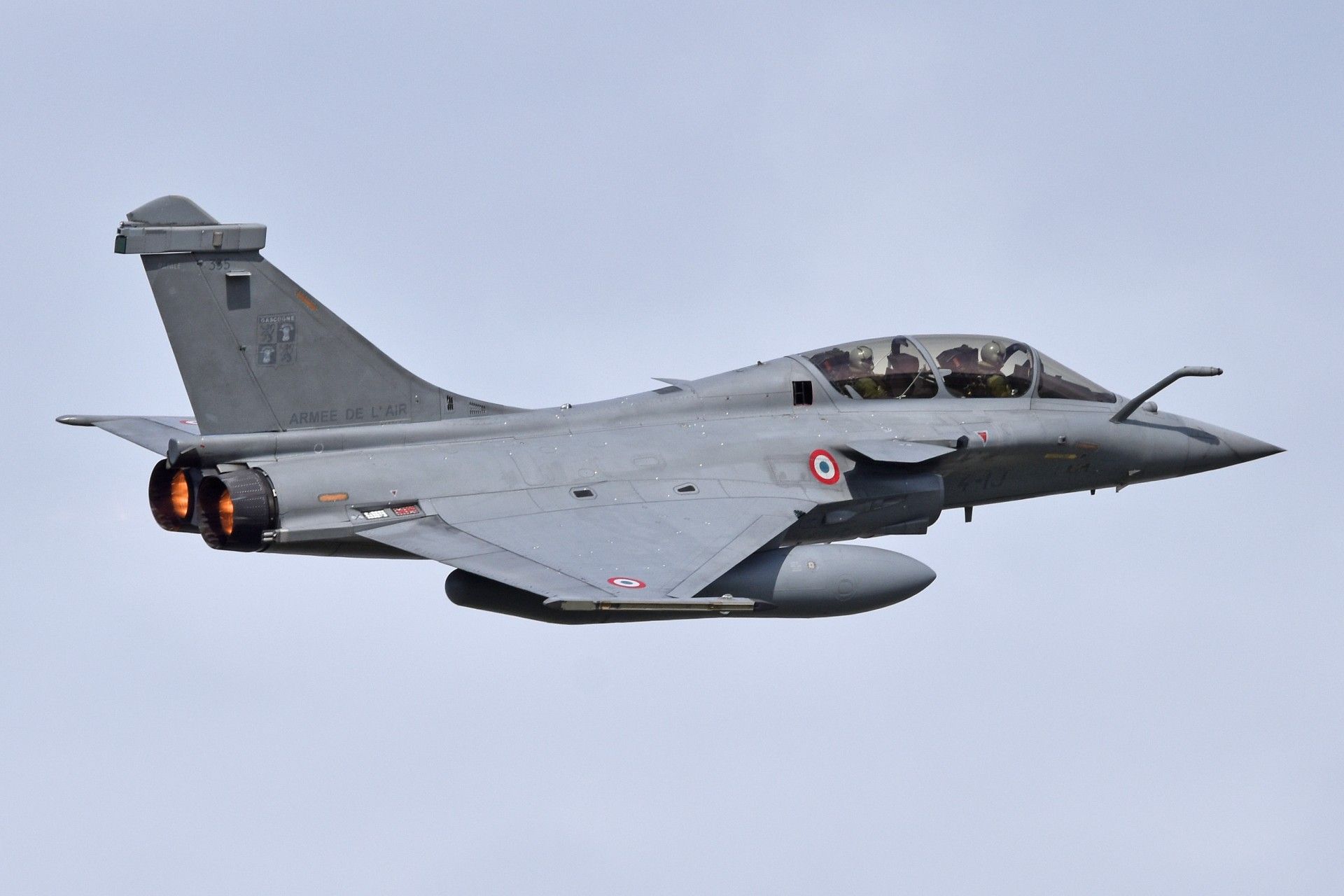
Macron has less than 6 months before the presidential election to turn these proposals into operational arrangements. Britain has already escorted a French simulated nuclear strike, Germany has begun joint military activities, and Belgium and the Netherlands have opened formal nuclear consultations. The next stage could involve aircraft from other European countries operating alongside French strategic forces. Any such exercise would be more significant than another declaration signed in Paris, for instance, closer to NATO’s eastern and northern flanks.


