


- ANALIZA
- WIADOMOŚCI
France deploys troops to the streets. Elite units, gendarmes and armoured vehicles on standby

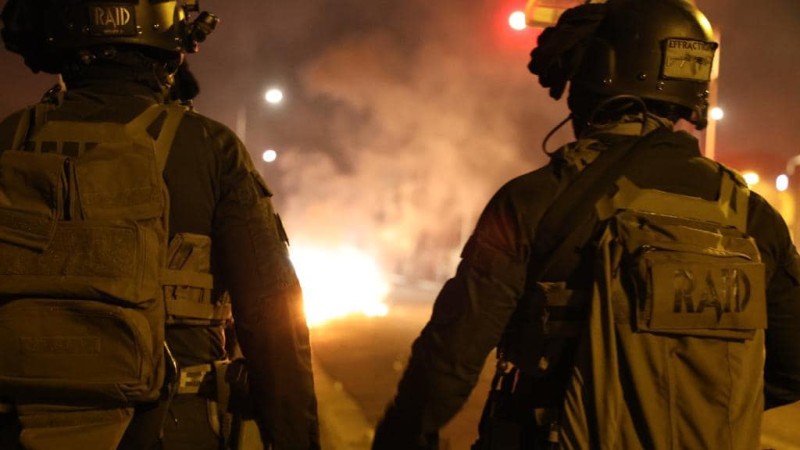
France is preparing for another wave of protests scheduled for 24 October. Following violent unrest that left around 3,000 shops damaged or looted and several hundred security personnel injured, the government has announced a large-scale mobilisation of security forces. Additional soldiers from Operation Sentinelle will be deployed, alongside specialised units including GIGN, RAID, BRI, CRS and the Gendarmerie. Centaure armoured vehicles, helicopters and water cannon will also be placed on standby.
The French authorities – although President Emmanuel Macron waited a considerable time – have decided to increase the number of police officers and soldiers following the events of 17 October, which saw some of the largest protests and riots in France in recent weeks. During the unrest and widespread looting, at least 3,000 shops across the country were damaged or looted, while several hundred security personnel were injured. Prime Minister Sébastien Lecornu acknowledged that the previous approach to policing demonstrations had been too static and insufficiently mobile. Interior Minister Laurent Nuñez announced reinforcements, the deployment of specialised units and changes to the way security forces respond to threats.

Sentinelle: French soldiers on the streets
In Paris alone, approximately 1,000 soldiers are expected to be available on 24 October, with 500 assigned to patrol and protect selected locations. This represents an increase from the usual 300 military personnel carrying out patrol duties. Soldiers will be responsible for securing locations including the Arc de Triomphe, embassies and the Cercle national des armées. The remaining personnel will be kept on standby to reinforce security operations if necessary.
An important part of this deployment is Operation Sentinelle, launched on 12 January 2015 following the terrorist attacks in France. It constitutes the military component of France’s domestic security arrangements and operates alongside the Vigipirate national counter-terrorism security plan. Initially, 10,412 soldiers and 4,700 police officers and gendarmes were mobilised to protect 830 particularly sensitive locations. These included schools, places of worship, diplomatic missions and newspaper offices.
Importantly, Sentinelle was established to protect civilians and infrastructure against terrorist threats, not to suppress demonstrations. Soldiers are therefore expected to take over protective duties, allowing more police officers and gendarmes to be deployed to areas where riots may occur. Crucially, the soldiers will not be tasked with confronting protesters.
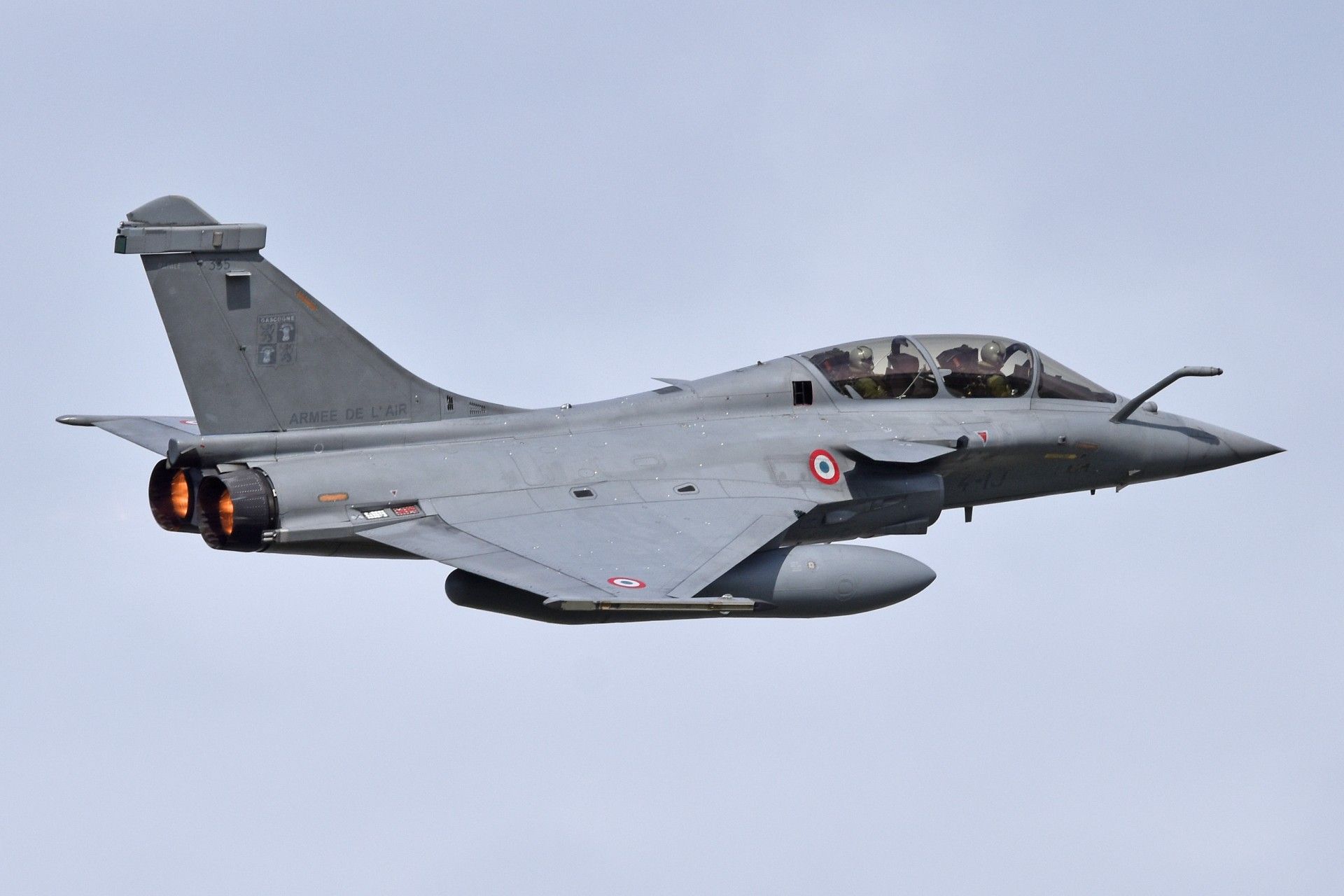
GIGN, RAID, BRI and CRS: France mobilises specialised units
One of the most important units expected to be involved is GIGN (Groupe d’intervention de la Gendarmerie nationale), the National Gendarmerie Intervention Group. Established in 1974, the unit specialises in counter-terrorism, hostage rescue, the arrest of particularly dangerous individuals and the protection of senior state officials.
GIGN operates within the National Gendarmerie, which has military status, and its specialised teams can conduct operations both in France and abroad. It is one of France’s principal counter-terrorism formations, designed for interventions requiring specialist training and equipment.
Another unit is RAID (Recherche, Assistance, Intervention et Dissuasion – Research, Assistance, Intervention and Deterrence). Established in 1985, RAID operates under the National Police. Its primary responsibility is responding to the most serious threats, including terrorist attacks, hostage situations and the activities of particularly dangerous criminal organisations. RAID has specialised personnel and equipment capable of conducting operations requiring immediate intervention and the neutralisation of threats.
BRI (Brigade de recherche et d’intervention), the Investigation and Intervention Brigade, is also expected to participate. Its origins date back to 1964, and its main responsibilities include combating organised crime and terrorism. Its officers conduct intelligence-gathering, surveillance and intervention operations, often working in plain clothes.
GIGN, RAID and BRI have repeatedly cooperated during counter-terrorism operations, including those following the Charlie Hebdo attack and the terrorist attacks in Paris in November 2015. Their deployment increases the authorities’ ability to respond to the most dangerous situations, but it does not mean that they will be responsible for the routine policing of demonstrations.
Responsibility for maintaining and restoring public order will primarily fall to the Republican Security Companies (Compagnies républicaines de sécurité – CRS) and the National Gendarmerie’s mobile squadrons (Escadrons de gendarmerie mobile – EGM). Established in 1944, the CRS are specialised National Police units responsible for responding to riots, policing demonstrations and protecting the public.
Similar responsibilities are carried out by the Mobile Gendarmerie, which has military status and the ability to deploy forces rapidly between regions. Additional CRS companies, which were originally scheduled to be off duty, are expected to be mobilised on 24 October. The authorities have also announced an increase in police personnel, while the Paris Police Prefecture is taking steps to recall reservists.
Another important role in securing Paris is played by BRAV-M (Brigades de répression de l’action violente motorisées), motorised units designed to respond rapidly to violent incidents. They use motorcycles to move between areas affected by unrest, respond to dispersed groups and carry out arrests.
BRAV-M participated in interventions on 17 October, although their redeployment on 24 October is still under consideration. Their operational characteristics reflect the changes announced by the government, with greater emphasis on mobility and the ability to respond quickly in different parts of the city. This does not necessarily mean a more aggressive response, but rather creating the conditions for a greater and more flexible security presence.
French security forces are also expected to deploy Centaure armoured vehicles operated by the National Gendarmerie. These vehicles are designed to protect personnel, support operations during serious public disorder and provide security during dangerous interventions. Helicopters will also be used for surveillance and operational coordination, alongside vehicles equipped with water cannon.

Time to act?
France possesses an extensive internal security system combining the capabilities of the armed forces, police and gendarmerie. However, the events of 17 October demonstrated that even the availability of highly specialised units does not guarantee an effective response. The authorities waited while looting, attacks on security personnel and widespread destruction unfolded. There will now be a greater security presence, but whether this will translate into decisive action remains to be seen. Some business owners have already begun hiring private security personnel to protect their shops.
The central issue is therefore not simply deploying soldiers to the streets, but using the available forces effectively to protect infrastructure and prevent further attacks. A clear distinction must be made between peaceful demonstrations and violent riots, which the authorities failed to contain at an early stage. There is little indication that the government’s approach will fundamentally change this time. The increased presence of soldiers and specialised units appears primarily intended to serve as a warning and a demonstration of state authority.
But will these highly specialised units and military personnel actually be allowed to use their capabilities effectively? Will the French authorities finally respond decisively, or will they once again limit themselves to maintaining a visible presence and waiting?


