










- WIADOMOŚCI
A shift in Germany. Most oppose military aid to Ukraine

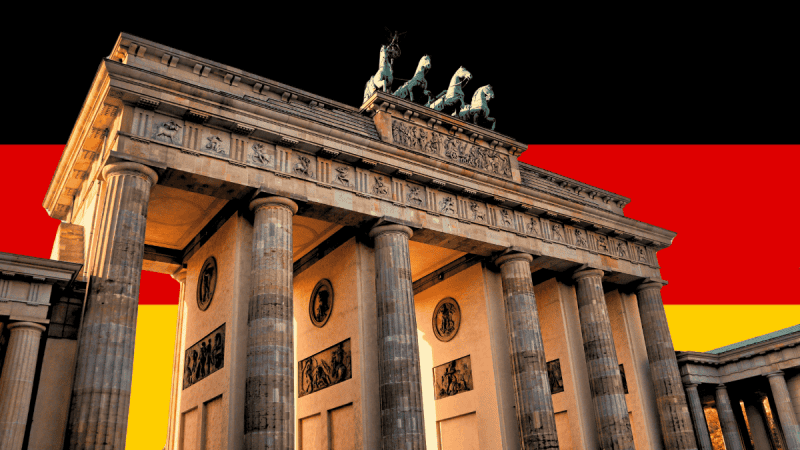
53 per cent of Germans oppose providing military assistance to Ukraine, while 46 per cent support it. This marks a clear shift from last year, when supporters of aid were in the majority. The results of a Forsa poll published on Tuesday also show growing support for limiting Germany’s international involvement.
Germany, Russia’s aggression and the defence of Ukraine
The survey was conducted on behalf of the Körber Foundation as part of its annual report, “The Berlin Pulse”. In 2025, 59 per cent of respondents supported military aid to Ukraine, while 39 per cent opposed it. Over the course of the year, support fell by 13 percentage points, while the share of opponents rose by 14 points.

There are marked differences between supporters of the various political parties. Military support for Kyiv is backed by 73 per cent of Green supporters, 67 per cent of CDU/CSU supporters, 64 per cent of SPD voters and 61 per cent of Left Party supporters. Among supporters of the Alternative for Germany, support stands at just 11 per cent, while 88 per cent say they oppose it.
The divide between the eastern and western parts of the country is also evident. In eastern Germany, 31 per cent of respondents support military aid, compared with 48 per cent in the west.
At the same time, 61 per cent of respondents believe Germany and Europe are doing too little to bring about peace negotiations between Russia and Ukraine. The Foundation also reported that 64 per cent of those surveyed oppose normalising relations with Moscow while Russia’s aggression continues.
82 per cent of respondents regard Russia as a military threat. However, society is almost evenly divided over the importance of Ukrainian resistance to Germany’s own security. Half of respondents believe that, by defending itself against Russian aggression, Ukraine is also protecting Germany and Europe. 48 per cent disagree.
Germany and international affairs
Most respondents also reject the idea of Germany taking military leadership in Europe. 64 per cent oppose Berlin taking on such a role, while 35 per cent support it.
See also 

Fears of further wars are accompanied by rising expectations that Germany should show greater restraint. 65 per cent of respondents expect armed conflicts around the world to increase. 48 per cent support limiting the country’s involvement in international crises, five percentage points more than a year ago. 40 per cent want a more active foreign policy, down from 48 per cent in 2025.
Germans are also divided over how to respond to hybrid attacks suspected of being linked to Russia. 51 per cent of respondents support a firm response and meaningful retaliatory measures. 46 per cent favour restraint.
In the rivalry between the United States and China, an overwhelming majority of respondents favour neutrality. 83 per cent want Germany to take this position, while 15 per cent would like it to side with the US. In the view of 61 per cent of respondents, Europe and the United States no longer form the political and cultural community known as the West.
The poll was conducted by telephone from 15 to 28 September 2026 among 1,501 adults eligible to vote in Germany.