












- WIADOMOŚCI
Ceasefire with Lebanon. Beginning of a lasting peace?

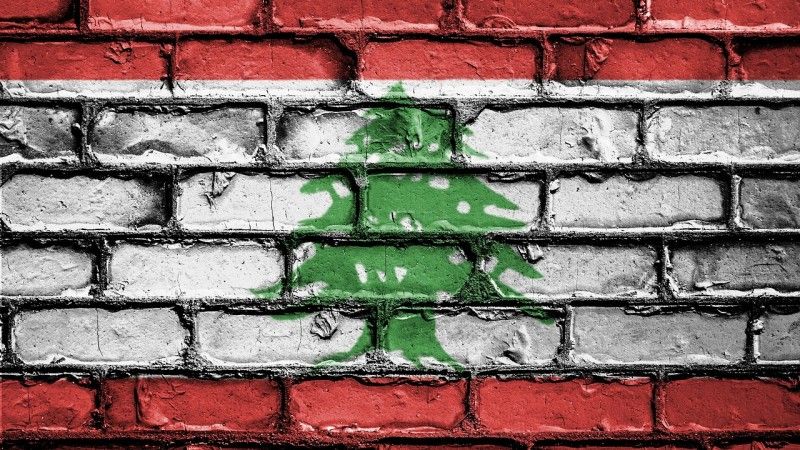
US President Donald Trump has announced a ceasefire between Israel and Lebanon. What real impact will this have on Hezbollah’s operations in the region?
On Thursday, April 16, Donald Trump stated that he had spoken with Lebanese President Joseph Aoun and Israeli Prime Minister Benjamin Netanyahu. Both leaders reportedly agreed to a 10-day truce. The US side intends to invite both leaders to the White House, where the issue of a permanent peace agreement will be discussed.
Hezbollah responded to reports of the agreement. “The ceasefire must include a complete halt to Israeli attacks and prevent any movement of Israeli troops,” the organisation said in a statement quoted by the BBC. “The continuation of Israeli occupation gives Lebanon and its people the right to resist.”
See also 

Currently, southern Lebanon remains under Israeli occupation. Tel Aviv has declared that its forces will stay on Lebanese territory. The Israeli army occupies an “expanded buffer zone” along the border, extending up to 10 kilometers into Lebanon. On Thursday, April 16, the Israel Defence Forces (IDF) destroyed the Qasmiyeh Bridge, the last bridge crossing the Litani River and connecting southern Lebanon with the rest of the country. The bridges had been used by Hezbollah to move fighters, weapons, rockets, and other equipment to the south for attacks against Israel. Tel Aviv aims to prevent Hezbollah from launching attacks on its territory, and occupying the southern part of Lebanon while cutting off its supply routes is intended to help achieve that goal. However just a day after the bridge’s destruction, three bulldozers, under the supervision of the Lebanese army filled the crater left by the bombing. Soon after, the river was passable again. „Motorcycles and then cars began crossing in single file, some honking their horns in celebration and waving yellow Hezbollah flags,” AFP reports.
A key condition set by Israel for any further agreements is the disarmament of Hezbollah by the Lebanese authorities. So far, this has not occurred. Iran remains Hezbollah’s main source of support, and experts suggest that cutting off this support could weaken the organisation enough for the Lebanese army to handle it. It should also be noted that Hezbollah has a political wing that represents a significant portion of Lebanon’s Shiite electorate.

Hezbollah attacked Israel on March 2 in response to US and Israeli strikes on Iran. The official Lebanese government has no real control over Hezbollah, and if the organisation violates the ceasefire, the government is effectively powerless to act. Nevertheless, the attempt to initiate talks between the parties is an exceptional development. The two countries have technically been at war since 1948 and have never signed a peace treaty.


