


- WIADOMOŚCI
- KOMENTARZ
Damascus seeks a security umbrella. Syria negotiates entry into the Mecca Defence Alliance

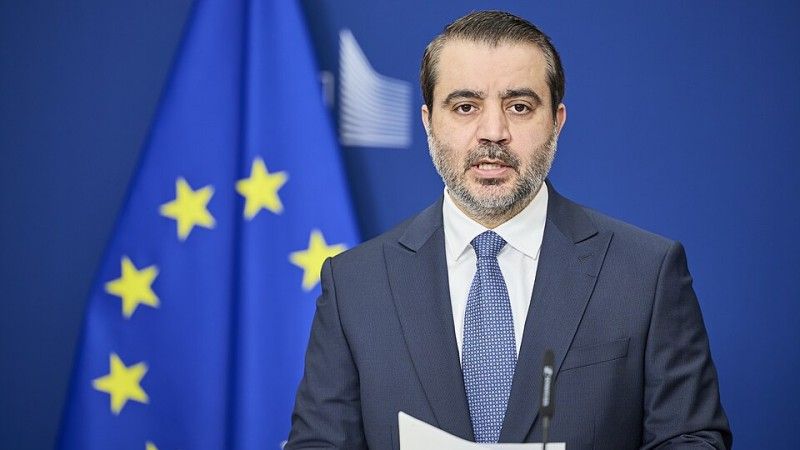
Photo. Claudio Centonze
Syria’s transitional authorities have entered talks to join the trilateral military pact formed by Saudi Arabia, Türkiye, and Pakistan. The move represents an attempt by the new administration in Damascus to rebuild its deterrence capabilities following the collapse of Bashar al-Assad’s regime.
Syrian Foreign Minister Asaad al-Shaibani disclosed the ongoing negotiations on Saturday during the IISS Manama Dialogue security summit in Bahrain. According to reports, Damascus is currently evaluating the terms of accession, although a formal application has yet to be submitted. The pursuit of external security guarantees stems from the urgent need to reconstitute the Syrian armed forces (a process in which Türkiye already plays a leading training role) as well as mounting military pressure in the country’s south. Al-Shaibani noted that Israeli forces have conducted over a thousand strikes in Syria since late 2024, and he called for the reactivation of the 1974 disengagement agreement. Potential membership in the bloc was previously explored during the chief diplomat’s August visit to Islamabad and President Ahmed al-Sharaa’s October talks in Riyadh.
Mechanisms of the Mecca Pact
Established on August 7, 2026, by the leaders of Saudi Arabia, Türkiye, and Pakistan, the alliance is anchored in a mutual defense clause (under Article 51 of the UN Charter) that treats an attack against one member as an act of aggression against the entire bloc. Operating with a permanent secretariat in Riyadh headed by retired Pakistani Lt. Gen. Nauman Mahmood, the pact encompasses intelligence sharing, joint military exercises, counterterrorism operations, and defense technology transfers.
See also 

This October, the agreement underwent its first operational test when, in response to attacks by Yemen’s Houthis, the member states decided to urgently deploy designated military contingents to Saudi Arabia. Riyadh and Islamabad have already ratified the treaty (while the ratification process remains underway in Ankara), and admitting new states requires the unanimous consent of the three founding members.
The Manama declaration confirms a profound geostrategic reorientation in the Levant: the new administration in Damascus seeks to anchor itself within a Sunni security architecture, which for Tehran means the definitive closure of its overland logistics corridor to Lebanon.
See also

However, Syria’s rapid and full accession faces a barrier in the risk calculus of Riyadh and Islamabad. Extending collective defense guarantees to Damascus amid regular strikes by the Israel Defense Forces (IDF) would risk automatically entangling the pact in a direct confrontation with the Jewish state. Publicly signaling these talks should therefore be read primarily as an instrument of diplomatic deterrence designed to raise the cost of Israeli operations, while Syria’s actual military integration will proceed in stages—first and foremost through bilateral training and equipment agreements with Türkiye.


