












- WIADOMOŚCI
First peace, then denuclearisation

The South Korean government has announced a shift in its policy towards North Korea. It will move away from demanding denuclearisation as a primary prerequisite and will instead prioritise peace talks.
“Over the past year, the Lee Jae-myung administration has de facto abolished the previous cabinet’s position, which focused on achieving denuclearisation first, and has moved towards a policy of prioritising peace,” stated Unification Minister Chung Dong-young.
He added that should the development of the nuclear arsenal be halted, Pyongyang would receive “tangible compensation” from Seoul. The Minister assesses that the meeting between US President Donald Trump and Chinese leader Xi Jinping, planned for this autumn, will be crucial for the resumption of inter-Korean negotiations. The arrival of the new US Ambassador, Michelle Steel, in South Korea, scheduled for late July, may also provide an opportunity to revive relations.
Changes will also occur in social policy. When referring to North Korean dissidents, the current term “defectors from the North” will be discontinued and replaced with the phrase “people with northern roots”. This is intended to place emphasis on the integration and self-reliance of these individuals, rather than the act of defection itself. Scholarships for researchers focusing on North Korean issues will also be increased.

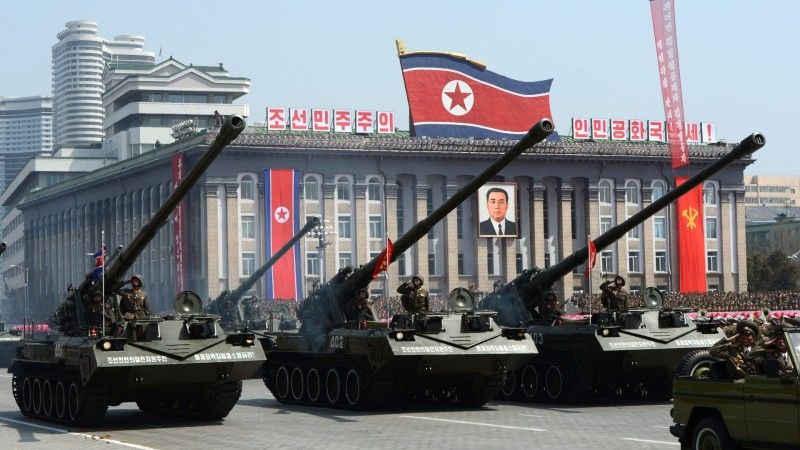
At present, Pyongyang continues to develop its nuclear arsenal, positioning it as a guarantor of its security, while regarding its southern neighbour as the greatest threat to its sovereignty. The change, though significant, is largely formal, as the current cabinet has been characterised by a liberal approach to North Korea since its inception. However, a positive reaction should be expected from Pyongyang in response to Seoul’s decision.


