












- WIADOMOŚCI
Germany gives way to the US


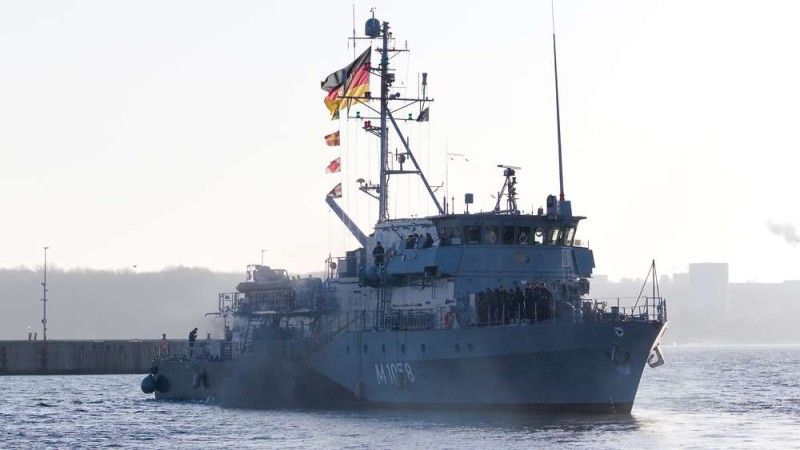
Photo. Bundeswehr / Alexander Ullmann
Germany is moving two naval vessels towards Djibouti as it prepares for a possible mine-clearing mission in the Strait of Hormuz. The decision shows that Berlin is treating the security of maritime trade routes not only as a Middle Eastern issue, but also as a European economic and military interest.
The German mine-clearing ship Fulda and the supply ship Mosel have passed through the Suez Canal and are heading to Djibouti. Around 140 German soldiers are on board, including mine-clearance divers, vessel protection teams and autonomous systems. The ships are currently operating under the EU mission Aspides, created in response to attacks on commercial shipping by the Iran-backed Houthis in Yemen.
A deployment to the Strait of Hormuz would still require separate approval from the Bundestag. Defence Minister Boris Pistorius has also made clear that Germany would need a durable end to hostilities around Iran, an international mandate and consent from Iran and Oman for mine-clearing activities. Berlin is therefore positioning forces early, but it is not yet entering the Strait.
Talks about a possible European mission in the Strait of Hormuz have been in the air for some time now. Such an endeavour was supposed to be led by the United Kingdom and France. On Monday, 15 June, a joint statement was issued by the leaders of France, the UK, Germany and Italy. They welcomed the ceasefire announced by US President Donald Trump and showed readiness to take part in a “strictly defensive and independent mission to reassure commercial shipping and conduct mine clearance operations” in the Strait of Hormuz.
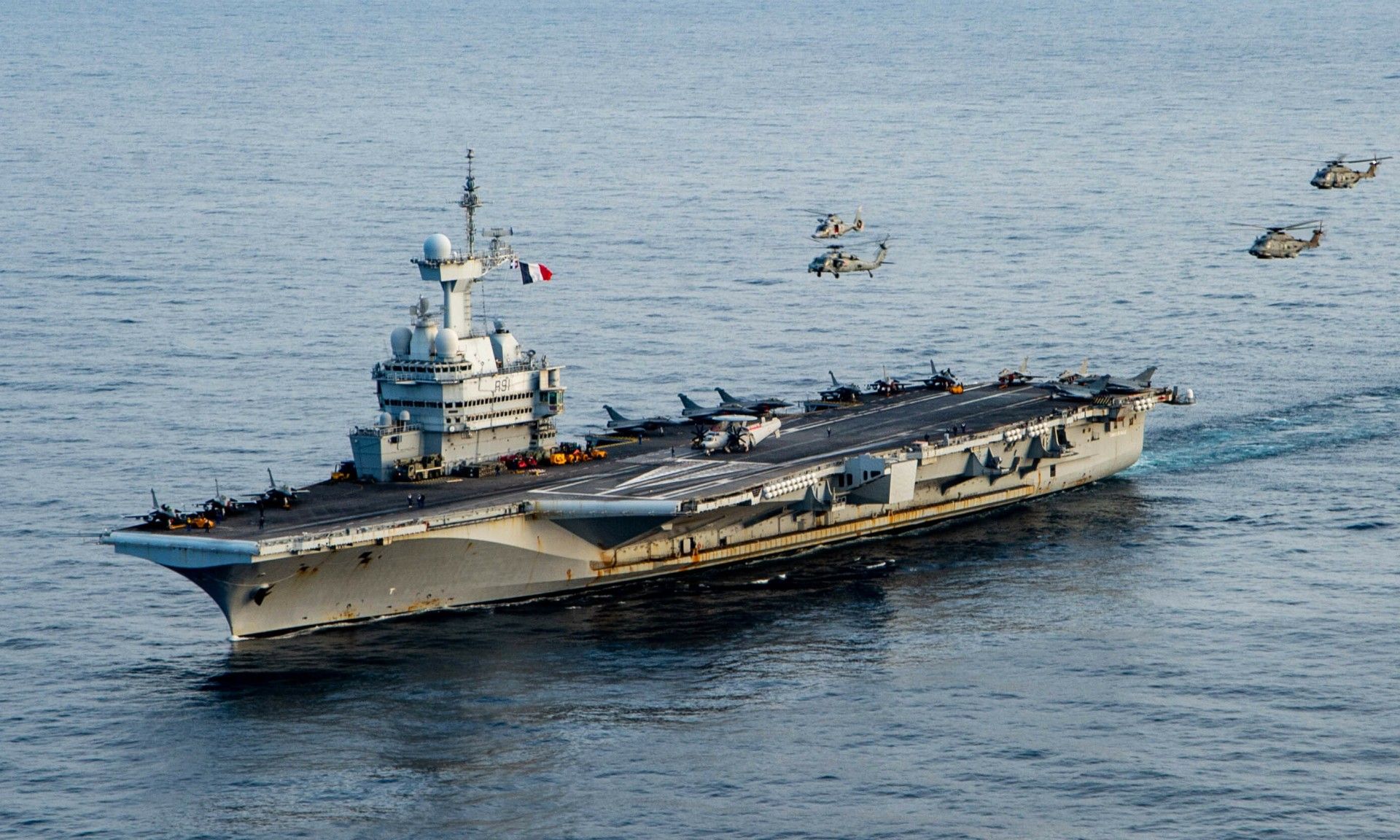
If a European-led operation were to happen, it would need to be discussed with Iran beforehand. In the past, Tehran has warned European nations not to engage their warships in the region, even for the stated objectives of mine clearing and shipping protection. In May, the Deputy Foreign Minister of Iran, Kazem Gharibabadi, warned that any such actions would be met with a “decisive and immediate response” from the Iranian armed forces.
The Strait of Hormuz remains one of the most important trade routes in the world. Before the US-Iran conflict, around 20 percent of the world’s oil was transported via the Strait. After the US and Israel launched their attacks against Iran, Tehran closed the passage and laid naval mines, halting most trade in the Persian Gulf. The closure resulted in soaring fuel prices, which affected the vast majority of the world.


