












- WIADOMOŚCI
- ANALIZA
Russia recruits Brazilians for its war. From Africa to Latin America, promises end on the front line

 Add as preferred on Google
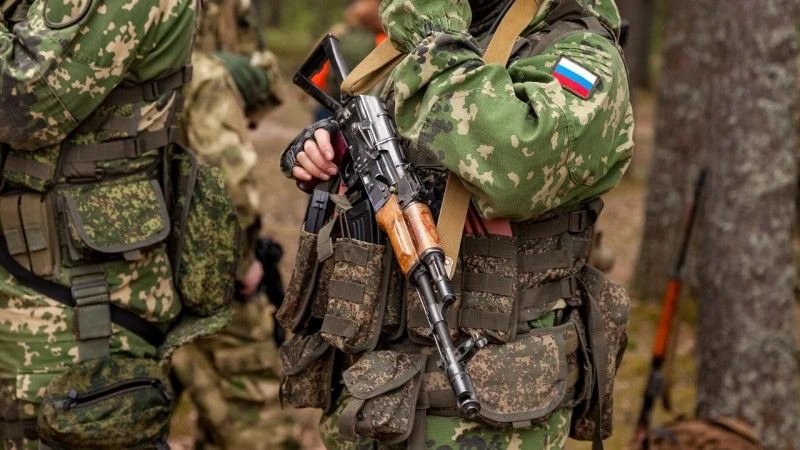
Russia continues to recruit foreign nationals for its war against Ukraine, increasingly targeting countries in Africa and Latin America. After recruiting hundreds of Africans, including citizens of the Democratic Republic of the Congo, Moscow is also drawing Brazilians and Colombians into its armed forces. Some are promised well-paid jobs, Russian citizenship or positions away from combat. Instead, they can find themselves fighting in Ukraine after just a few weeks of training.
The New York Times published an investigation into the recruitment of Brazilian citizens into the Russian military. According to the newspaper, two Brazilian intermediaries operating in Russia promised recruits substantial salaries and relatively safe military positions. Some were subsequently sent to the front line, while the intermediaries allegedly obtained control over their bank accounts and military payments.
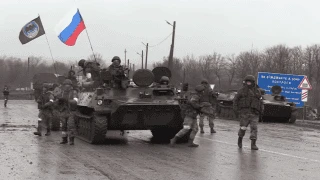
One of those recruited was 22-year-old Chairon Vitor Sepulvida de Souza, who travelled to Moscow in March 2025 hoping to earn enough money to start his own business. Within months, he was fighting in eastern Ukraine. He disappeared in July 2025, and his family has been unable to establish whether he is alive.
However, this is not simply a Brazilian problem. Russia has already recruited thousands of foreign nationals from African countries, including Cameroon, Burundi, Zimbabwe and the Democratic Republic of the Congo. According to Ukrainian intelligence, recruitment from several African countries increased significantly during 2026. Citizens of Central Asian states, particularly Uzbekistan and Tajikistan, have also been among those joining Russian forces.
The scale is substantial because in October 2026, Ukrainian authorities reported identifying 45,959 foreign nationals from 151 countries and unrecognised territories who had signed contracts with the Russian military since the beginning of the full-scale invasion. In the first nine months of 2026 alone, the figures included 1,449 Colombians, 699 Burundians and 530 Zimbabweans.
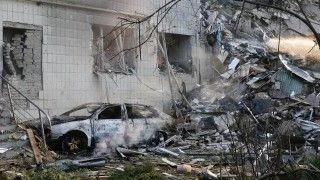
The recruitment methods also raise serious questions – some foreign nationals knowingly join the Russian military, but others are reportedly misled about their duties, salaries or the conditions of service. Amnesty International and United Nations investigators have documented cases involving deception, coercion and human trafficking. Military training can be extremely limited before recruits are deployed to combat areas.
This is also an issue for the European Union, not just Ukraine. Brussels should engage directly with governments in Africa, Latin America and Central Asia to improve monitoring of suspicious recruitment networks, investigate intermediaries and warn citizens about misleading employment offers linked to Russia.
Countries such as Brazil, Colombia and the Central Asian republics should also raise these cases directly with Moscow. Their citizens are being recruited into a foreign war, sometimes under false pretences, without adequate training or a clear understanding of the contracts they have signed. Governments need to establish who is recruiting them, what they have been promised and what happens to them once they arrive in Russia. The Kremlin is looking for additional soldiers far beyond its own borders.


