












- WIADOMOŚCI
- ANALIZA
Russian aggression against Ukraine and the security of Central and Eastern Europe

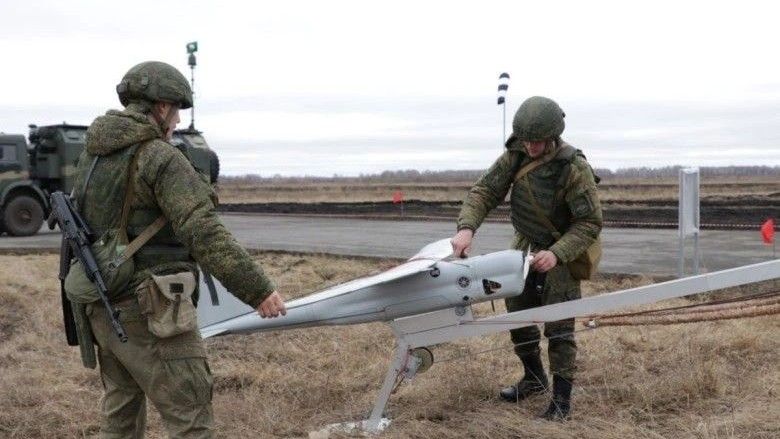
Russian aggression against Ukraine in 2014, followed by the full-scale invasion launched in February 2022, led to a fundamental change in the security architecture of Europe. In practice, the security order established after the end of the Cold War came to an end, based on the principles enshrined in the Charter of the United Nations, the CSCE Helsinki Final Act, and documents of the Organisation for Security and Co-operation in Europe.
The Budapest Memorandum of 1994 was of particular importance, in which Russia, together with the other signatories, committed itself to respecting Ukraine’s sovereignty and territorial integrity in exchange for Kyiv’s renunciation of its nuclear arsenal. The violation of these commitments undermined the credibility of political security guarantees and demonstrated the limited effectiveness of international mechanisms for responding to the actions of a state holding the right of veto in the UN Security Council.
As a result, the role of NATO and the European Union as the main pillars of European security increased significantly. This trend was confirmed by the decision of Finland and Sweden to abandon their long-standing policy of neutrality and join the North Atlantic Alliance. This showed that the guarantees arising from Article 5 of the Washington Treaty are now perceived as the most important instrument for deterring potential aggression.
The war in Ukraine also exposed the weaknesses of the collective security system. The United Nations and the Organisation for Security and Co-operation in Europe remain important forums for political dialogue, but their ability to respond effectively to conflicts involving great powers is clearly limited. In the case of the UN, the fundamental problem remains the ability of permanent members of the Security Council to use the right of veto, which in practice prevents action being taken against a state that is a party to the conflict.
Calls for reform of this mechanism are increasingly frequent, including by limiting the possibility of using the right of veto by a state committing aggression. Similar problems apply to the OSCE, whose functioning is based on the principle of consensus. This limits the organisation’s ability to take decisive action against states violating the fundamental principles of international law. Although expert debate includes calls for Russia’s membership of the OSCE to be suspended, the organisation currently lacks effective instruments to implement such a solution.

Despite the Kremlin’s continuing confrontational policy, direct military aggression against NATO member states currently appears unlikely. More than two years of intensive warfare have revealed numerous limitations of the Russian armed forces, including logistical problems, high equipment losses, and difficulties in conducting prolonged offensive operations. This does not, however, mean a reduction in the level of threat to the states of Central and Eastern Europe.
Russia is consistently developing activities below the threshold of war, using political pressure, cyberattacks, sabotage, the instrumentalisation of migration, and disinformation operations. In this situation, continued military, financial, and political support for Ukraine remains one of the most effective ways of limiting the military potential of the Russian Federation and strengthening the security of the entire region.
Hybrid threats remain an important element of contemporary rivalry, with disinformation being of particular significance. Russian information operations are aimed at weakening citizens’ trust in state institutions, deepening social divisions, and undermining the unity of NATO and the European Union. The states of Central and Eastern Europe remain particularly vulnerable to such activities, especially the Baltic region, where Russian-speaking minorities make up a significant part of society.

An effective response to information threats should include the development of media literacy, the strengthening of social resilience, the construction of systems for monitoring disinformation campaigns, and close cooperation between allied states in the exchange of information and the combating of influence operations. These actions should focus on neutralising the effects of hostile propaganda in accordance with the principles of a democratic state and freedom of speech.
Russian aggression has also brought an end to the period known as the “peace dividend”, during which European states reduced defence spending and focused on economic cooperation. Europe has now returned to the logic of deterrence and the balance of power. NATO remains the basic guarantor of military security, while the European Union uses a broad range of economic, financial, and political instruments to limit the potential of the aggressor.
Economic sanctions, technological restrictions, and financial support for Ukraine have become an integral part of European security policy. At the same time, it is necessary to continue strengthening the defence capabilities of European states, developing the arms industry, increasing the resilience of critical infrastructure, deepening cooperation within the Common Security and Defence Policy, and maintaining long-term support for Ukraine. The stability and security of Central and Eastern Europe in the coming years will depend on the effectiveness of these actions.


