












- ANALIZA
- WIADOMOŚCI
Security of Central and Eastern Europe after the war in Ukraine

Russian aggression against Ukraine has led to a lasting transformation of the security environment in Europe. The process initiated by the annexation of Crimea in 2014, and then deepened by the full-scale invasion in 2022, ended the period of relative stability on the continent and restored classical thinking about deterrence, territorial defence and the importance of military potential.
For the countries of Central and Eastern Europe, this means the need to function in conditions of a permanent threat, the source of which remains the revisionist policy of the Russian Federation.
NATO's return to its core function
The most important consequence of the war is the restoration of NATO’s importance as an organisation of collective defence. For many years, the Alliance focused on expeditionary operations and crisis response beyond its territory. Today, the priority has once again become the defence of member states and the deterrence of a potential aggressor.
The increased presence of allied troops on the eastern flank, the development of new regional plans, the expansion of military infrastructure and the increase in defence spending by member states have been of key importance. The United States has also played an important role, once again becoming the main guarantor of European security by increasing its military and political presence in the region.
Poland has moved from being a border state to a frontline state
Poland’s geographical location has given it an entirely new strategic significance. The country has become the main logistical base for support to Ukraine, and at the same time one of the most important elements of NATO’s deterrence system.
The response to the change in the security environment has been the acceleration of the technical modernisation of the Polish Armed Forces, an increase in the size of the army, the development of military infrastructure and investment in long-range systems, air and missile defence. At the same time, the state’s defence preparations are being developed, covering both military infrastructure and elements of civilian infrastructure used in the event of a threat.
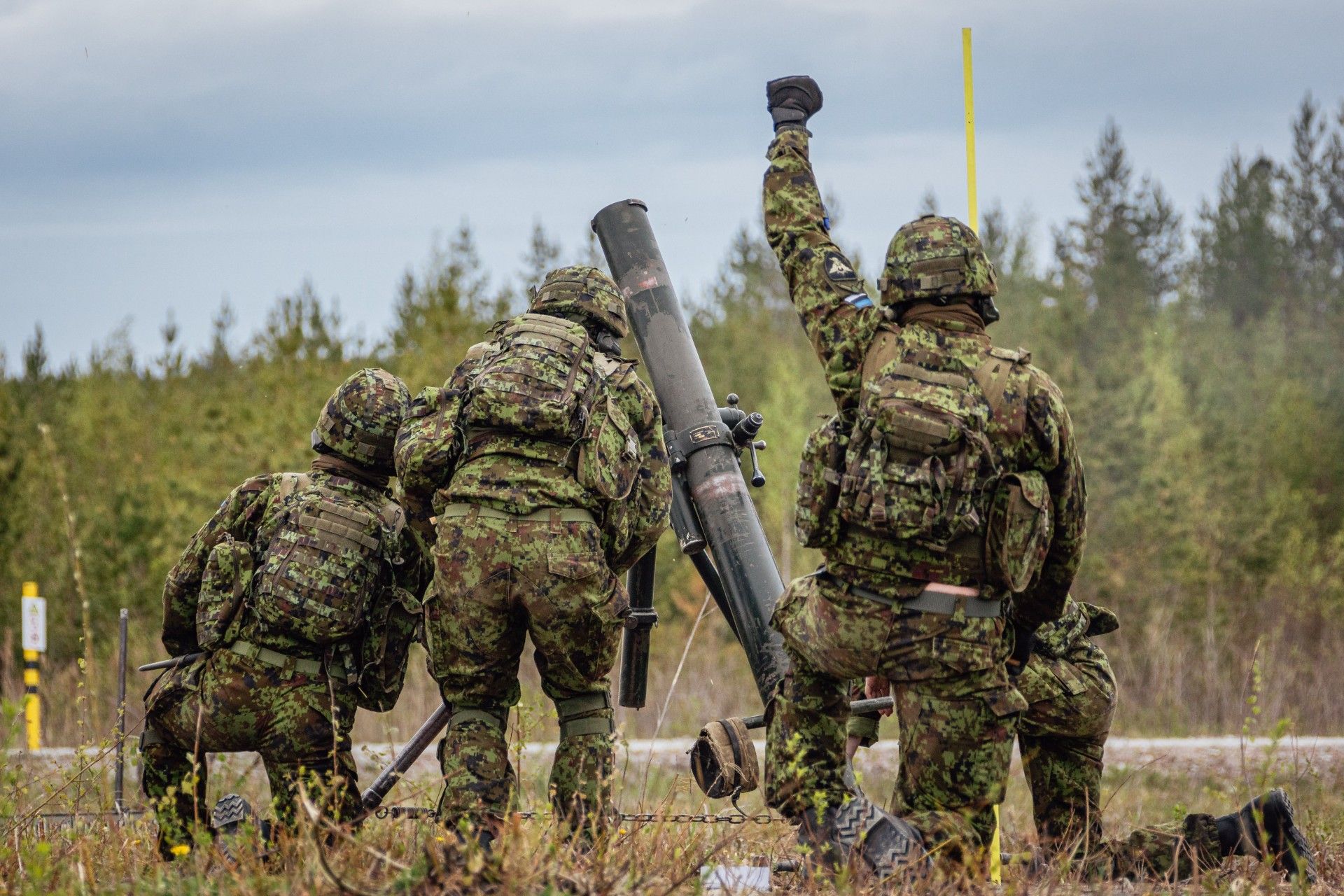
Deterrence requires political unity
Russia remains a state capable of exploiting divisions within the West. Therefore, one of the basic conditions for effective deterrence is maintaining the political unity of NATO and the European Union.
This applies to a common position on sanctions, the coordination of military assistance to Ukraine, and maintaining strategic coherence towards the actions of the Russian Federation. Any signal indicating a weakening of solidarity among Western states may be used by Moscow as an encouragement to further destabilising actions.
The development of regional cooperation remains equally important. Formats such as the Bucharest Nine, the Three Seas Initiative and the Lublin Triangle strengthen the security of the region and increase the ability of the states of Central and Eastern Europe to respond jointly to threats.
Hybrid warfare is becoming an everyday reality
Contemporary rivalry with Russia is not limited to a potential armed conflict. Actions conducted below the threshold of war are becoming increasingly important.
The most important instruments of Russian activity include information operations, cyberattacks, sabotage of critical infrastructure, the use of migration pressure and attempts to influence political processes in European states. The aim of these activities is primarily to weaken social resilience and undermine citizens« trust in state institutions.
Therefore, building resilience should include not only the development of military capabilities, but also the protection of cyberspace, energy security, social education, the fight against disinformation and the effective protection of critical infrastructure. In this area, close cooperation between NATO and the European Union remains essential, while maintaining the responsibility of member states for their own security.

The security of the region is not only military strength
The lasting security of Central and Eastern Europe requires simultaneous action in four dimensions.
The first is the further strengthening of NATO’s military potential and national armed forces.
The second remains economic security, in particular the diversification of energy supplies and the development of transport and logistics infrastructure.
The third pillar is the development of regional mechanisms of political cooperation, which increase the ability of the states of the region to respond jointly to threats.
The fourth element is the information resilience of societies. The experience of recent years shows that the primary target of Russian influence operations is citizens. A society resilient to disinformation becomes one of the most important elements of state security.
Conclusions
Russian aggression against Ukraine has led to a lasting change in the European security architecture. The return to classical deterrence, the growing importance of NATO and the dynamic modernisation of the armed forces of the eastern flank states do not, however, mean the end of threats. The Russian Federation continues to use a broad spectrum of military and non-military instruments, seeking to weaken the unity of the West.
For Poland, this means the need to consistently develop its own defence potential, build the resilience of the state and maintain strong transatlantic ties. In the current security reality, the security of the region depends not only on the size of the army, but also on the ability of states to act together, respond quickly and effectively deter a potential aggressor.


