- WIADOMOŚCI
Poland faces a special migration situation. The EU launches its second migration management cycle

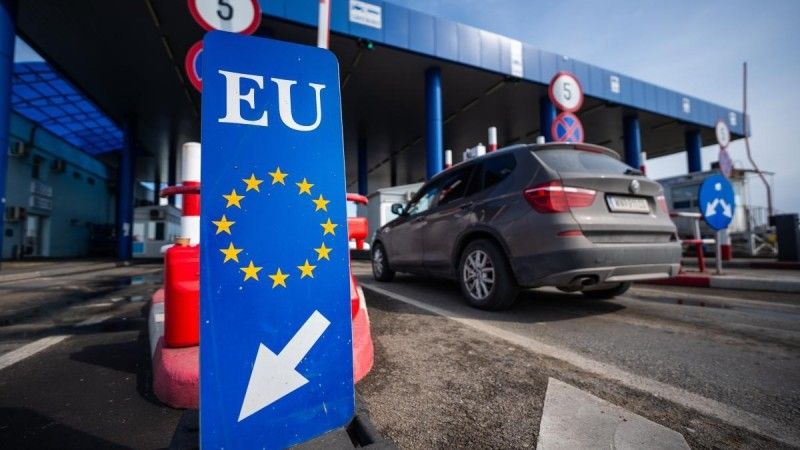
Poland has been included among the countries with a significant migration situation, according to the latest report from the European Commission. This means the country may apply for a full or partial deduction from its contribution to the EU solidarity pool for 2027.
The European Commission has published its second annual report on the asylum and migration situation in the European Union. Poland was placed in the group of countries facing a significant migration situation, which grants it the opportunity to apply for a full or partial deduction from its contribution to the EU solidarity pool for 2027. Government representatives emphasise that this fulfills previous announcements.
On 6 November, the European Commission launched the second annual migration management cycle under the Pact on Migration and Asylum. The new report indicates an improvement in the migration situation across the European Union, while simultaneously identifying countries that continue to face specific migration-related challenges.
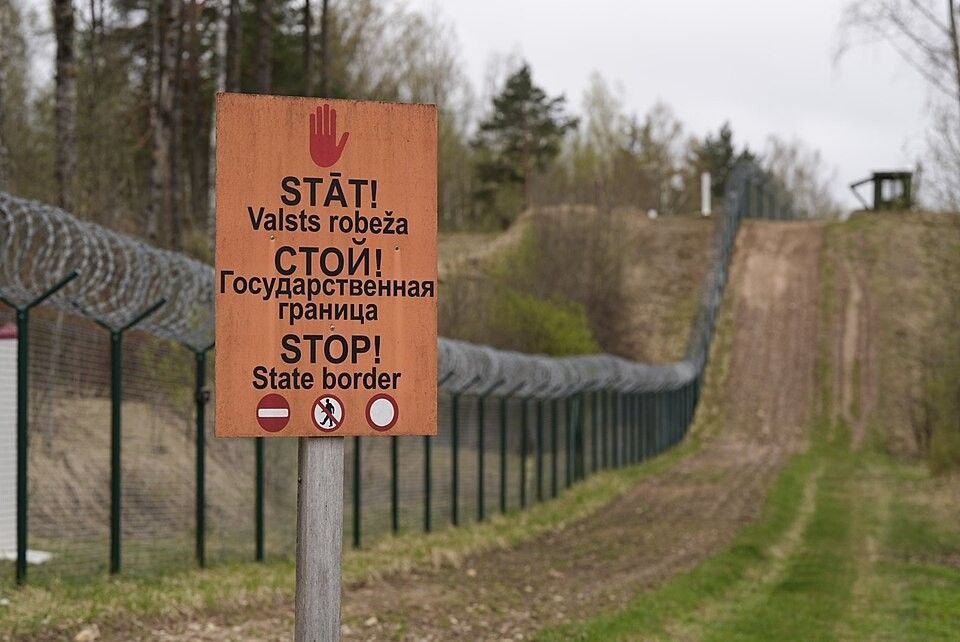
According to the document, irregular EU border crossings have decreased by more than half over the last two years. In the first six months of the current year, a further decline exceeding one-third was recorded. The number of cases of unauthorised movement also decreased by 22 per cent in 2025, and asylum applications fell by 19 per cent. Meanwhile, the return rate across the Union rose to over 30 per cent.
Poland in the group of countries with a significant migration situation
One of the most important elements of the report from Poland’s perspective is its classification into the group of countries facing a significant migration situation. In addition to Poland, this group includes Bulgaria, Czechia, Estonia, Croatia, and Austria.
The European Commission justifies this classification by the cumulative impact of migration over the last five years. This status has specific significance for the future financial obligations of member states. Poland, like the other mentioned countries, will be able to request the Council to grant a full or partial deduction from its contribution to the solidarity pool for the coming year.

However, this is not the only category highlighted in the report. Poland was also included among 15 countries at risk of migration pressure. This group, alongside Poland, mentions countries such as Belgium, Germany, France, Ireland, the Netherlands, and Romania. In the case of this category, the factors include a relatively large number of irregular arrivals, secondary migration flows, asylum applications, and persons under temporary protection who fled the Russian aggression against Ukraine. The risk of the instrumentalisation of migration as a tool of pressure was also taken into account.
Countries at risk of migration pressure will receive priority access to the permanent EU migration support toolbox. Their situation will be monitored and, if necessary, re-evaluated under an accelerated procedure.
Greece, Cyprus, Italy, and Spain under migration pressure
The European Commission also identified four countries directly under migration pressure: Greece, Cyprus, Italy, and Spain. In the case of Greece and Cyprus, the deciding factor was the disproportionate level of migrant inflows over the past year. Italy was placed in this category due to the large number of people arriving following search and rescue operations at sea. Regarding Spain, the Commission took into account the overall migration situation, particularly the incident in Ceuta.
These four countries will be eligible to access the solidarity pool, while remaining obligated to continue applying the rules regarding responsibility for asylum applications. The Commission also noted that Italy, despite progress made so far, must continue its efforts in this area, and their implementation will be closely monitored.
What does this mean for the EU solidarity system?
The European Commission has proposed that the Council establish a solidarity pool for 2027. Its task will be to support countries under migration pressure. The details of the proposal have not been made public, in accordance with the rules of the Pact on Migration and Asylum.

Member states must now agree on the size of the pool and the manner in which individual countries will contribute. Several options are provided for: the relocation of migrants or responsibility offsets, financial support, alternative measures, or a combination of different forms of assistance. Once the Council adopts the decision regarding the pool, the contributions of individual states will become public and legally binding.
It is worth noting that the mere fact of classifying Poland into the group of countries with a significant migration situation does not mean an automatic exemption from every obligation. However, it provides the opportunity to apply for a full or partial deduction from the contribution to the solidarity pool. The final decision rests with the Council.
The European Commission emphasises that the second migration management cycle builds on the experience of the first year of the mechanism’s operation. The Pact on Migration and Asylum has been fully applied since June 2025. The new Eurodac system is already operational in all member states. Screening and border procedures are also being introduced. Since the start of the Pact’s application, one-third of all registered asylum applications are being processed under accelerated or border procedures. The implementation of the first solidarity pool for 2026 is proceeding according to plan.