- WIADOMOŚCI
- KOMENTARZ
Migration in hybrid warfare. Is Russia changing its tactics?

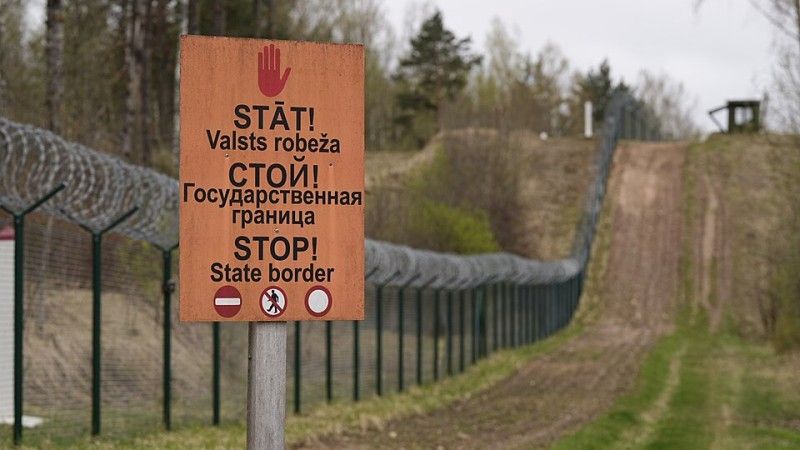
Latvia is experiencing growing migratory pressure on its border with Belarus. Since the beginning of the year, border services have intercepted more than 12,000 attempts to cross the border, which is already more than in the whole of 2025. Using irregular migration as a tool of hybrid warfare is not a new pattern that Russia has also applied against other states on NATO’s north-eastern flank, such as Lithuania and Poland.
On 6 October, a group of armed men attempted to move about 20 migrants across the Latvian-Belarusian border. The smugglers reportedly behaved aggressively and threatened Latvian soldiers with weapons. Border officers thwarted the illegal crossing.
A few hours later, masked individuals entered Latvian territory, damaged a distribution box and stole two surveillance cameras. They returned to Belarus before the border guard arrived. The head of Latvia’s border guard, Guntis Pujats, suggested that the perpetrators might have been organised criminals rather than state officials. He added that acts of sabotage targeting border infrastructure are becoming more frequent.
A week later, a criminal group called „Black Rus” claimed responsibility for the operation. In a statement on Telegram, it announced that it would continue sabotage activities on the border with Belarus. Janis Sarts, head of the NATO Strategic Communications Centre of Excellence in Riga, stressed that criminal groups independent of the state cannot exist in Russia or Belarus. If the authorities were indeed involved, we may be dealing with a change in how Russia uses migration to destabilise European states. Instead of sudden mass influxes of people or attempts to breach fences, migrants may be starting to serve as cover for sabotage and hybrid operations.
What are states doing to protect their borders?
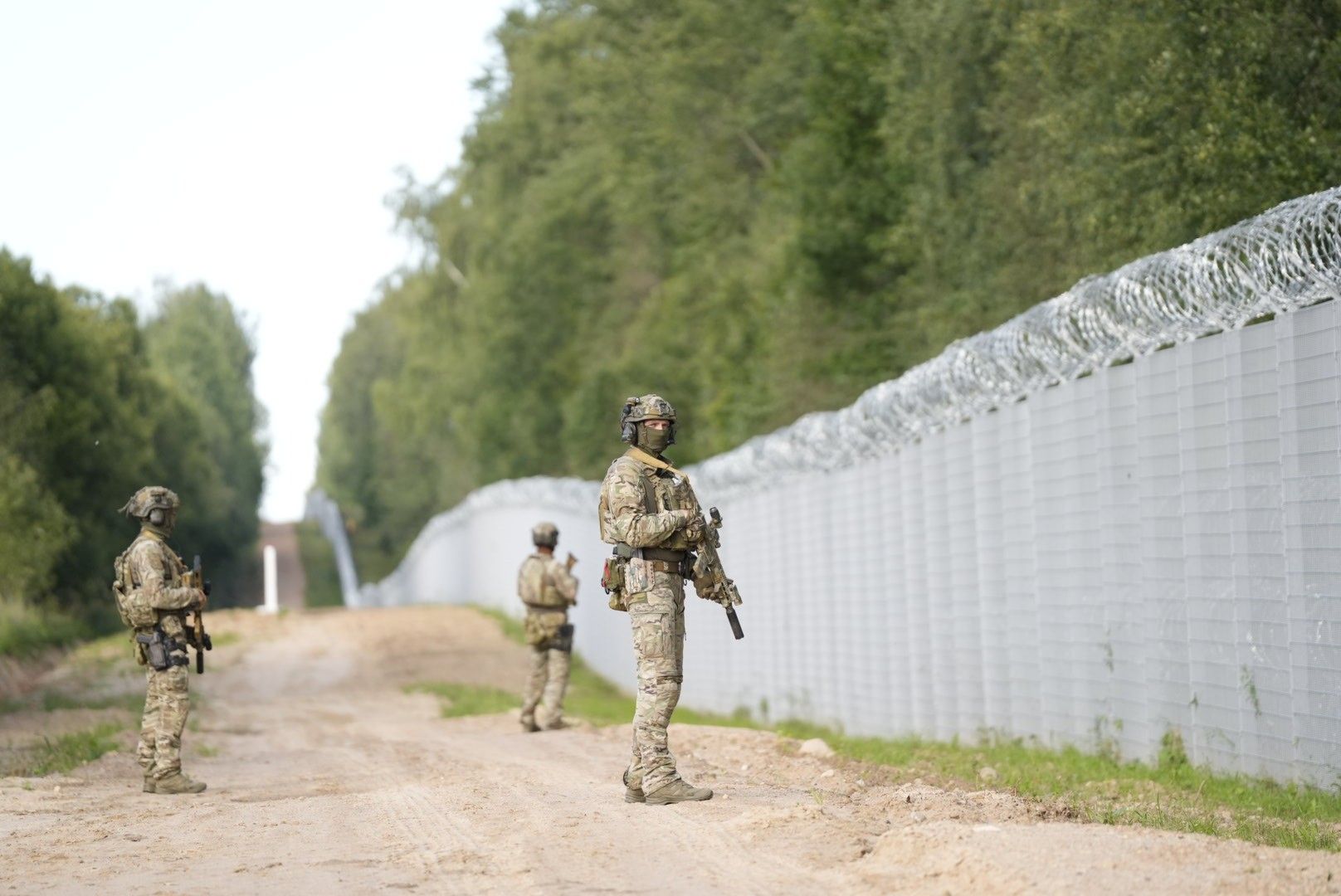
For Latvia and the other states of the north-eastern flank, such provocations will entail additional costs for strengthening border protection. According to the Center for European Policy Analysis (CEPA), Latvia has already spent around $300 million on building roughly 418 km of fencing along its borders with Russia and Belarus. In August, Latvia launched Operation Werewolf, which targets illegal migrants and involves border services, the military and the police. Owing to the escalation of incidents, it has been extended until the end of December.
Latvia can also count on help from regional partners. Under cooperation between the Polish and Latvian border guards, 12 officers of the Podlasie Border Guard Unit were sent to Latvia on 19 October for two weeks to help protect the Latvian-Belarusian border.

Border protection is currently extremely important, especially for NATO’s eastern flank. In 2026, Poland has recorded a decline in attempts to cross the border with Belarus illegally. According to the Ministry of the Interior and Administration, there were 472 attempts by 13 September, compared with 25,519 in the same period of 2025. This does not mean, however, that border protection measures can be relaxed. The decrease may result from a shift of the migration route, or, judging by the Latvian example, it may also be accompanied by a change in Russian tactics towards sabotage carried out by „third parties”. Border protection on NATO’s eastern flank must therefore be designed to counter not only mass migration, but also sabotage conducted under its cover.