


- WIADOMOŚCI
- KOMENTARZ
US troops return to Estonia. NATO's eastern flank is getting stronger

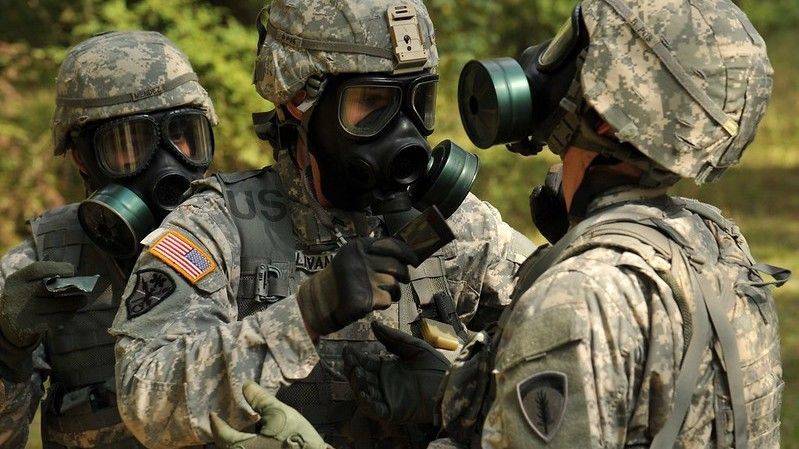
American troops have returned to Estonia following a months-long interruption in regular US military rotations. The new unit will remain in the country for nine months, ending uncertainty over Washington’s military presence on NATO’s north-eastern flank. The deployment comes after the Pentagon’s review of US forces in Europe and sends an important message: despite concerns about possible American withdrawals, the United States continues to maintain its military presence in the Baltic region.
The US Embassy in Tallinn confirmed that Apache Troop, 5th Squadron, 4th Cavalry Regiment, has arrived in Estonia for a planned nine-month rotation. Embassy spokesperson Kelli Long told Estonian public broadcaster ERR that the unit’s official uncasing ceremony will take place later in November in Lithuania, marking the formal beginning of its deployment across the Baltic states.
Estonian Defence Minister Martin Herem confirmed that the unit’s advance personnel and military equipment had already been in Estonia for more than a week. The previous American rotation ended earlier this year, but its replacement was delayed while the Pentagon reviewed the structure of US forces in Europe. Although a reduced American presence remained in Estonia, the interruption raised questions about the future of US deployments in the country.
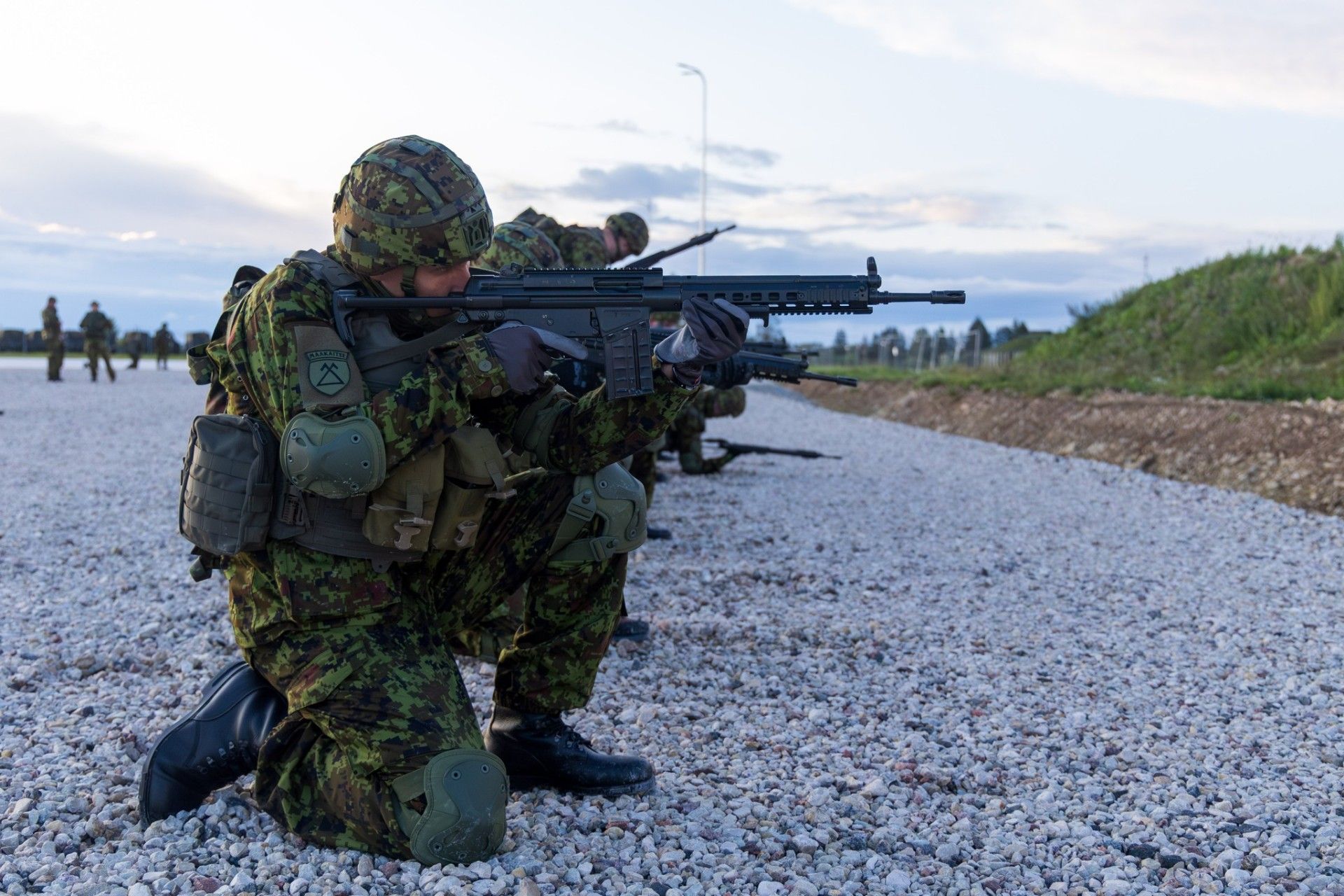
The decision to restore the rotation was announced on 23 September, when Estonia’s Ministry of Defence confirmed that the incoming unit would be comparable in size and capabilities to the previous American formation. The arrival of the troops now turns that political commitment into an actual military deployment.
This matters particularly in the context of Russian threats against Estonia, including scenarios involving Narva and a possible limited offensive against NATO territory. As previously argued by Defence24, Russia would not simply need to cross the border. Moscow would have to sustain its forces, protect supply routes and confront NATO troops already present in the country. The American deployment adds another complication to any such calculation.
Moreover, the United States is not acting alone. The United Kingdom continues to lead NATO’s Forward Land Forces presence in Estonia, supported by France, while Lithuania hosts American forces and Germany is expanding its military presence there. Poland remains the largest hub for US forces on NATO’s north-eastern flank. These deployments demonstrate that the region’s defence does not depend exclusively on decisions made in Washington. Türkiye is also providing air support.
See also 

The return of the American rotation does not mean that the Pentagon has abandoned plans to review its military presence in Europe. Further adjustments remain possible, and Russia may continue to question NATO’s credibility, but any military operation against Estonia would mean confronting not only Estonian soldiers but also American and other Allied forces already stationed on its territory.


