- WIADOMOŚCI
- KOMENTARZ
Syria could send thousands of troops to Yemen. Saudi Arabia builds a new coalition against the Houthis

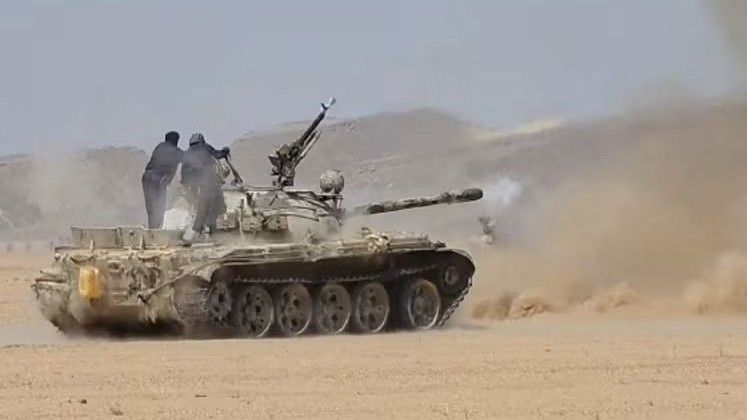
Syria could become directly involved in the conflict against Yemen’s Iran-backed Houthis. According to Yemeni officials, Damascus is considering deploying approximately 3,000 soldiers, with the contingent potentially expanding to 10,000. However, the Syrian government has denied plans to send troops to Yemen. What is already clear is that President Ahmed al-Sharaa is strengthening military cooperation with Saudi Arabia, marking another significant step in Syria’s return to international politics.
According to the Associated Press, 36 Syrian officers visited a Saudi-Yemeni command centre in Jeddah, where they received briefings on the military situation. Preparations were also reportedly underway to deploy approximately 600 Syrian special forces personnel to Saudi Arabia. Syrian military advisers are already reported to be assisting with training. Nevertheless, Foreign Minister Asaad al-Shaibani denied on 9 November that Damascus had deployed troops to Yemen or planned to do so in the immediate future.
The developing relationship follows al-Sharaa’s visit to Riyadh on 4 November, during which Syria and Saudi Arabia signed a military cooperation agreement alongside six development loan agreements worth more than $403 million. Riyadh is becoming one of Damascus’s most important partners in reconstruction and defence. Syria is also considering joining the defence arrangement established by Saudi Arabia, Türkiye and Pakistan in August 2026. Such a decision would further strengthen its position within the changing regional balance of power.

The potential involvement of Syrian forces comes as Saudi Arabia seeks additional military support against Houthi attacks. Several countries, including Egypt, France, Greece and the United Kingdom, have already contributed defensive capabilities to the kingdom. Syria could offer something different: soldiers with extensive experience of irregular warfare, including drone operations, ambushes and fighting in difficult terrain. However, its armed forces remain fragmented after more than a decade of civil war, and integrating former rebel formations into a unified national army remains a major challenge.
Syria’s international position has nevertheless changed dramatically. European diplomats have returned to Damascus, large EU delegations are engaging with the country’s new authorities, and President al-Sharaa has held dozens of meetings with foreign leaders while travelling internationally. The contrast is remarkable. Once pursued by American intelligence and military authorities, with a $10 million reward offered for information leading to his identification or location, the former jihadist commander now sits at the negotiating table with US officials. Damascus is also openly pursuing international military cooperation, as demonstrated by its expanding defence relationship with Türkiye.

The question is whether this diplomatic transformation will now translate into direct military involvement abroad. Syria possesses considerable combat experience, but its new army has been assembled from formations with very different backgrounds, including former insurgent and jihadist groups. Some employed unconventional tactics and, in certain cases, methods associated with terrorist organisations. Could Damascus now use this experience against the Houthis in Yemen? And would the Syrian army operate as a conventional military force, or rely on the unconventional methods developed during years of insurgency and civil war?
And finally, will Western countries support Syria’s military involvement in conflicts abroad? Such a decision could set a precedent for future interventions. After Yemen, Syrian forces could potentially be deployed to Sudan or other conflict zones. And, hopefully not, to Ukraine.