












- WIADOMOŚCI
- ANALIZA
- KOMENTARZ
The midterm spectre: American foreign policy after November 2026

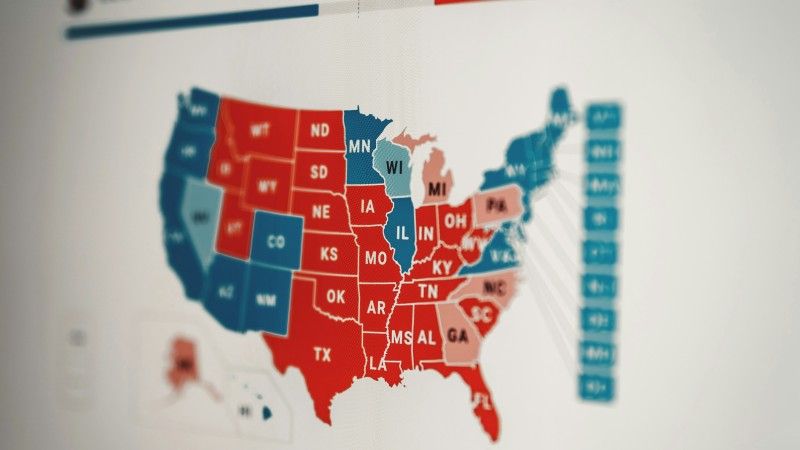
Photo. Unsplash
Americans choose the 120th Congress in less than 100 days, and Democrats are widely expected to flip the House. Whether that shift reshapes American foreign policy, though, is another matter entirely.
Current midterm predictions estimate that the Democrats are poised to flip the House, while the Republicans are set to keep the Senate. The exact results naturally remain murky for now, and, as shown by the 2024 presidential election, one can never grow too confident ahead of the official announcement. Several scenarios can nonetheless shed some light on what may follow the November vote.
Regaining agency through foreign policy
The first scenario is anchored in the iterative interaction between domestic and foreign policy. According to Dr. Peter Finn (University of Greenwich), “If the midterms deliver divided government, then Trump will be quite restricted in what he can do domestically. As such, it is quite likely he will look to find some sense of agency via foreign affairs.” In other words, the sphere of foreign policy can become an outlet for reclaiming presidential agency to offset restraints on the domestic level.

What such agency can look like is far less clear, especially given the dwindling American stocks amidst the war with Iran. But Iran is not the only possible outlet; Europe, Latin America or the Indo-Pacific could also absorb that impulse. Furthermore, it bears noting that Republicans are already divided over foreign policy, especially regarding the situation in Iran, and further fracture would be disadvantageous in light of the next presidential election.
Agency in this sense is a spectrum and ranges from belligerent communications, through strategic brinkmanship, to resolute military action. The exact decisions are difficult to predict, but the general trend points towards assertiveness abroad being sustained, if not amplified.
Congress constrained
Should the Democrats emerge victorious, their influence over foreign policy would nonetheless remain circumscribed, limited both by the narrowness of the achievable majority and the design of the American system itself.
A telling example of limited congressional power in the foreign policy sphere is the recent failure to pass the war powers resolution regarding Iran. And even if the Democrats manage to pass that resolution, the legislation is subject to a veto by the president, and neither of the parties is expected to hold the power to override it — which requires 290 votes in the House and 67 in the Senate.

Congress is not without any instruments, however. The power of the purse, the appropriations process, and the investigative authority offer means of constraining presidential power. Nonetheless, none of these is decisive; they can delay, but do not displace the president’s capacity to act in the sphere of foreign policy.
Investigations and impeachments ahead
The Democratic victory can also set in motion another process. Dr. Peter Finn predicts that “If the Democrats take at least one congressional chamber in November, it is pretty much guaranteed that they will open various investigations against Trump. Some of these may relate to foreign affairs.”
He further adds that “There is a pretty good chance that Trump will be subject to impeachment proceedings at least once more. This might come from an investigation, or arise from something that Trump does before November 2028. His first impeachment related to Ukraine, and foreign affairs could be part of a future impeachment proceeding (…). At this point, it is unlikely he would be convicted by the Senate, but even if he is not, the mere fact that impeachment proceedings are happening will eat up resources of the Trump administration.”
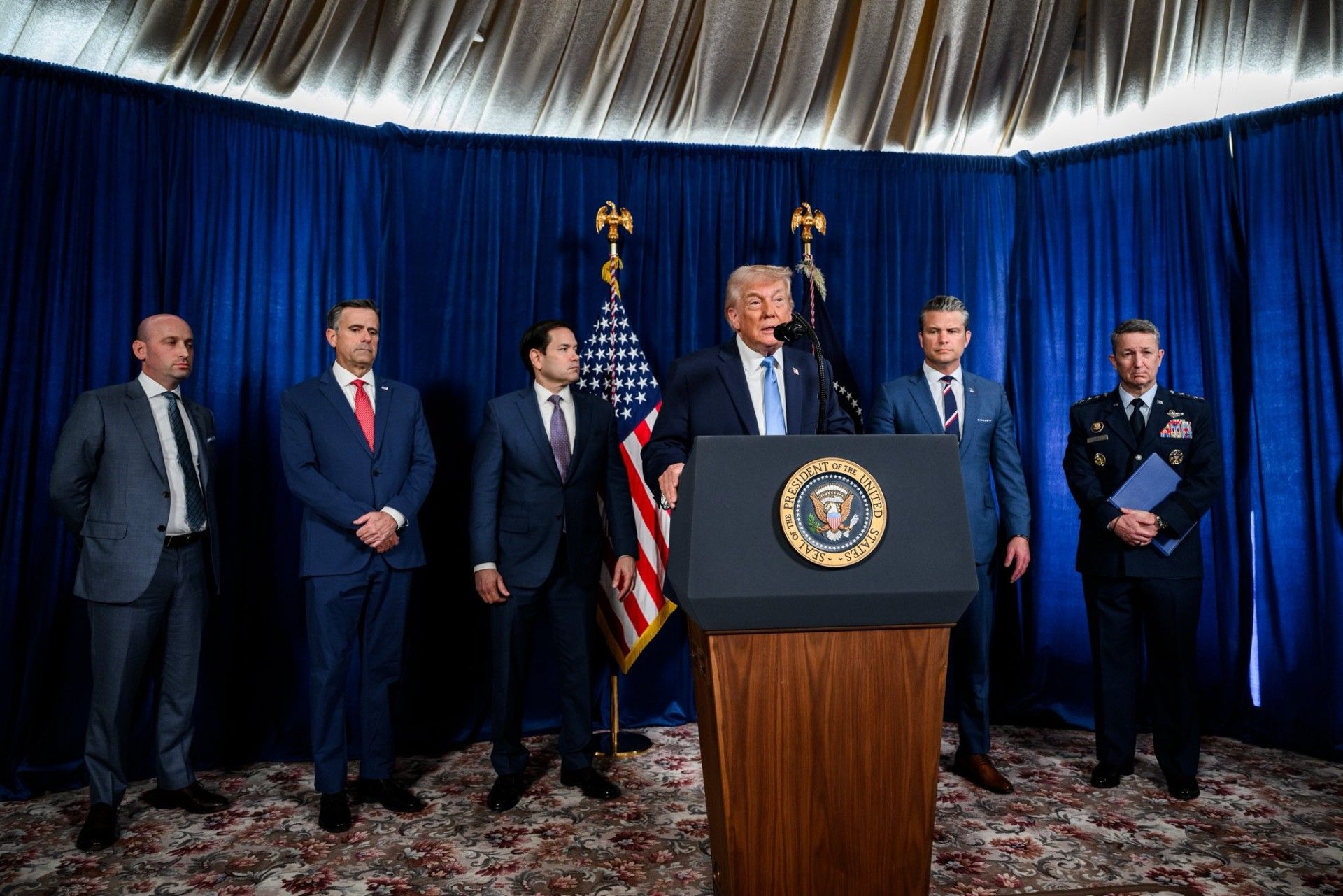
A Democratic chamber will not remove the president’s influence in the foreign policy sphere, but it can impose a considerable amount of friction, one that can generate consequences for the 2028 election.
Implications for Europe
The upcoming midterms will most likely not be directly consequential when it comes to congressional leverage in the foreign policy sphere. Even if the Democrats win, their sway will not be decisive, and the current trends herald an increasingly limited role of Congress in foreign policy-making.
As for Europe, it should not expect the midterms to change American thinking. Congress has shown it can impose some friction, but these are procedural constraints, not tools of an immediate redirection, most of which remain subject to presidential veto powers anyway. Furthermore, the transatlantic coalition on Capitol Hill cuts across both parties, as does the pressure to devolve European security to Europeans.

Regardless of who wins, Europeans should maintain their efforts to arm themselves. Expected turbulence on the domestic level might open some new avenues or at least curb the influence of certain presidential decisions, but the general trends that we have observed in the first half of President Trump’s administration are unlikely to disappear.


