- ANALIZA
- WIADOMOŚCI
US expands its war on cartels. Hundreds of soldiers are heading to Latin America

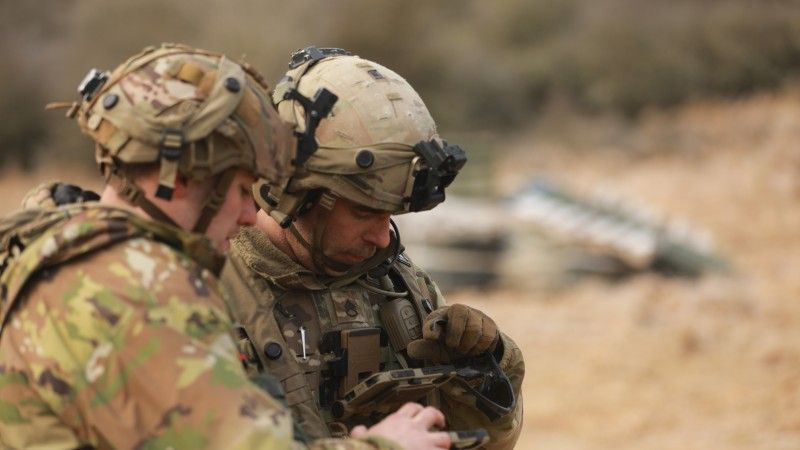
The United States is expanding its military presence in Latin America, with hundreds of soldiers being deployed to Panama and further operations planned in Colombia and Honduras. According to The New York Times, the Pentagon is moving beyond maritime operations against drug trafficking networks and preparing for a stronger military role on land. The deployment comes as Washington seeks to increase pressure on criminal organisations, strengthen regional military partnerships and restore American influence in a region where China has significantly expanded its economic presence.
The first elements of a 600-soldier battalion from the US Army’s 10th Mountain Division have begun deploying to a new jungle training facility in Panama. American personnel will subsequently participate in exercises with Colombian and Honduran forces, while some could support US Special Operations units advising local militaries during operations against drug trafficking organisations. Several hundred additional soldiers are also expected to support a new military command structure in Miami, responsible for operations across the Western Hemisphere.
The scale of the deployment is important. Washington has maintained military cooperation with Latin American states for decades, but sending a battalion-sized formation reflects a broader change in the Pentagon’s approach. The United States has also transferred MQ-9 Reaper drones from Africa to Colombia and Ecuador, increasing its surveillance and operational capabilities in the region. The Trump administration wants regional governments to intensify military operations against trafficking networks and accept greater American involvement in their security activities.

From maritime strikes to operations on land
The Pentagon has already expanded its campaign against suspected trafficking vessels in the Caribbean and eastern Pacific. According to The New York Times, US forces have carried out 71 strikes against boats, killing at least 239 people whom American authorities accuse of involvement in drug trafficking. US commanders are now discussing extending operations onto land, although the scope and conditions of any future strikes remain unclear. Such a development would significantly increase the military and political consequences of the campaign, particularly in countries where sovereignty and American military involvement remain sensitive issues.
Colombia and Honduras have agreed to allow joint operations with American forces, while Panama is becoming an important location for training and military preparation. The involvement of the 10th Mountain Division could also provide additional protection for American helicopters and Special Operations personnel operating alongside regional partners. These rotations are currently described as temporary, although US officials acknowledge that they could become a more permanent feature of the American military presence in Latin America.
The American approach also has a wider geopolitical dimension. General Joseph Ryan, commander of the US Army’s Western Hemisphere Command, recently acknowledged that Washington had lost much of its previous economic dominance in the region. China has expanded its influence through trade, infrastructure and investment, while organised criminal networks have developed increasingly sophisticated international operations. The United States is therefore reinforcing its military position in Latin America at the same time as it attempts to recover regional influence. Counter-cartel operations have become one of the main instruments of this policy.

However, Washington is increasing its commitments while American forces are already heavily engaged in the Middle East and maintaining substantial responsibilities in Europe and the Indo-Pacific. A more permanent military presence in Latin America would require additional personnel, intelligence assets, aviation and logistical support. If American troops become directly involved in combat operations against armed criminal groups, Washington will also face the possibility of casualties and further escalation. The European countries – for instance, Poland – are still waiting for the next rotation of American soldiers.