- WIADOMOŚCI
Ceasefire would be only the beginning. Ukraine’s energy problem

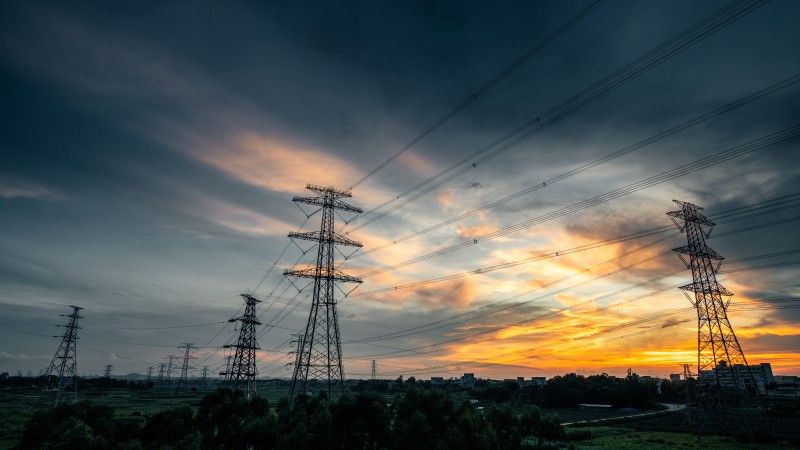
With the ongoing negotiations regarding the Russo-Ukrainian war, it’s only natural that some will start wondering what happens after an eventual ceasefire. And the future is much grimmer than anticipated.
Misplaced optimism
Yuriy Boyechko, CEO of Hope For Ukraine, informs that „the conversation about peace often feels disconnected from the structural devastation we witness daily”. If the war were to end, the rebuilding of Ukraine’s energy infrastructure will commence. „The scale of destruction to Ukraine’s power grid, particularly in the Kyiv region, has effectively sentenced the nation to a minimum of three years of scheduled blackouts,” Boyechko adds. And that’s a technical certainty, not a pessimistic guess. The cycle will work in a way where energy is available for 6 hours after which it will be disconnected for 4 hours.

The nature of damage
Russian strikes have shifted from broad disruption to surgical fragmentation since autumn 2025. The main targets were high-voltage substations and the specialized transformers that bridge regional networks. As a result, cities are isolated into smaller energy islands instead of being one connected grid. Thousands of apartment buildings are left without heat in sub-zero temperatures. Some are even leaning towards calling the current situation a Kholodomor – a death by cold, (like how Holodomor described an organised genocide resulting in the deaths of millions of Ukrainians by starvation).
Inequalities regarding access to energy
Because of the war, the existing inequalities among Ukrainians are only more visible now. „Wealthy residents and large businesses have secured their independence through high-end solar arrays, industrial-scale battery storage, and powerful generators.” War is merely an expensive inconvenience for those citizens. On the other hand, we have nearly 40% of Ukrainians living near or below the poverty line. Light has become a luxury good for them. Previously affordable survival tools, such as budget batteries, LED kits and small power stations, have been all but bought out by the wealthiest.

A "Marshall Plan for Energy"
Yuriy Boyechko insists that „rebuilding Ukraine’s grid to a functional capacity will require an unprecedented level of sustained global commitment and technical resources.” He proposes a „Marshall Plan for Energy” that would prioritise:
- Moving away from Soviet-era centralized plants towards a distributed network of smaller, protected power units that can survive future shocks;
- Providing grants and low-interest loans for energy procurement, bypassing debt traps;
- Ensuring that aid is available to the most vulnerable, preventing their alienation from society.
As stated, while ending the war remains an utmost priority for Ukraine, the work is far from over, as rebuilding the destroyed infrastructure will probably take longer than the war itself. The energy industry, being regularly targeted by attacks, only deepens the problem, with the greatest burden falling on the poorest and most vulnerable civilians.