


- WIADOMOŚCI
- KOMENTARZ
Baltic states prepare for Russia. Joint crisis exercises are next


Lithuania, Latvia and Estonia are not limiting themselves to purchasing weapons and expanding military bases. They are also developing joint scenarios for responding to Russian threats, including cyberattacks, sabotage against critical infrastructure, civilian evacuations and disruptions to military transport. The Baltic states are not preparing because Russia is about to attack. They are preparing so that Russia does not want to start a war.
For the Baltic states, the scale of investment is enormous. Estonia is allocating 5.4% of GDP to defence in 2026, equivalent to €2.4 billion, Lithuania 5.38%, or €4.79 billion, and Latvia 4.73%, exceeding €2.15 billion. At the same time, the Baltic Defence Line is being developed, with Estonia planning to construct up to 600 bunkers by the end of 2027, while Latvia is considering participation in joint procurement.
Importantly, the most significant stage is still ahead. Lithuania, Latvia and Estonia have agreed to organise joint crisis response exercises, which could eventually be expanded to include cross-border civilian evacuation drills.
See also 

The foundation is a memorandum on civil protection cooperation signed in June 2025, which Poland also joined. The participating countries intend to jointly assess road capacity, border crossings, transport capabilities, accommodation facilities and information-sharing procedures.
In September 2026, Poland and Lithuania were already working on detailed arrangements for evacuating some residents of the Baltic states through Polish territory. This is particularly important because, during a crisis, the same routes could be used simultaneously by civilians and NATO forces.
Previous exercises provide a basis for these preparations. In June, Estonia organised ILVES 2026, the largest civil crisis response exercise in its history, involving nearly 4,000 participants from more than 150 organisations. In Latvia, approximately 12,000 soldiers and members of defence formations participated in Namejs 2026, while more than 1,200 civilian representatives tested emergency response procedures.
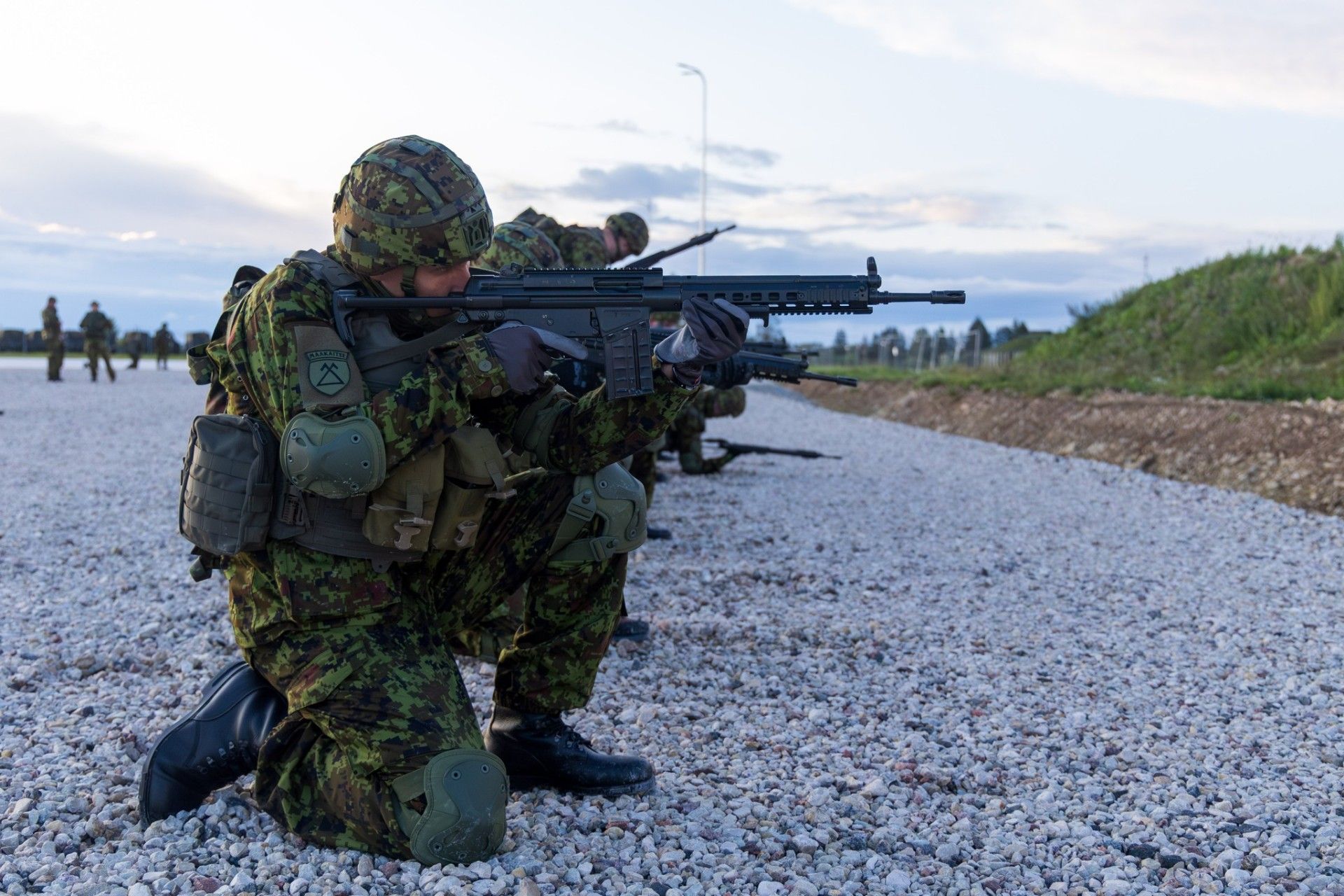
In Lithuania, Vyčio skliautas 2026 involved all 14 ministries, 60 municipalities, approximately 3,000 institutional representatives and 1,000 volunteers. The exercises tested responses to cyberattacks, energy disruptions, civilian evacuations and the reception of Allied forces.
Future exercises will increasingly involve several threats occurring simultaneously. What happens if a Russian cyberattack paralyses the energy sector, sabotage disrupts rail transport, and thousands of NATO troops must be received while civilians are being evacuated? Who provides fuel for the military, hospitals and transport? How can food and medicine continue to reach people when telecommunications systems stop functioning?
These are not abstract scenarios. Ukraine has faced such problems for years, which is why the Baltic states want to turn lessons from individual exercises into common regional procedures.
Ukraine shows what must not be neglected
Cooperation with Ukraine is particularly important. In May 2026, Estonia signed an agreement on critical infrastructure protection, including the exchange of experience in responding to physical and cyber threats. In June, Latvia concluded a ten-year defence agreement with Ukraine, providing for the use of Ukrainian experience in unmanned systems and air defence.
Lithuania, meanwhile, is developing cooperation on the resilience of energy infrastructure. The Baltic states are therefore examining not only Russian methods of attack, but also Ukrainian solutions for keeping a country functioning during war. This includes energy, transport, fuel reserves, communications and the restoration of damaged installations.

In the coming years, cooperation between the public and private sectors will be just as important as defence expenditure. Energy network operators, transport companies, telecommunications providers, hospitals and local authorities must know exactly what they are expected to do in the event of simultaneous attacks against several countries.
It is not enough to prepare separate procedures in Tallinn, Riga and Vilnius. A Russian hybrid attack does not have to respect national borders, so the response must also be regional. Future exercises should test not only political decision-making, but above all the ability to implement decisions under conditions of limited resources, damaged infrastructure and severe time pressure.
The Baltic states are not preparing for war because they want to fight one. They are arming themselves and preparing their societies so that Russia will fear starting a conflict. Moscow must understand that an attack would not simply mean confronting three armies, but prepared countries in which the military, administration, businesses and citizens are capable of acting together. This is total defence, and other countries, including Poland, are learning the same approach.

Ultimately, the joint response of the Baltic states, followed by support from the entire NATO Alliance, will determine how well prepared these countries really are for a crisis.


