












- ANALIZA
- WIADOMOŚCI
A new chapter in the Lebanon war: Israel goes on the offensive

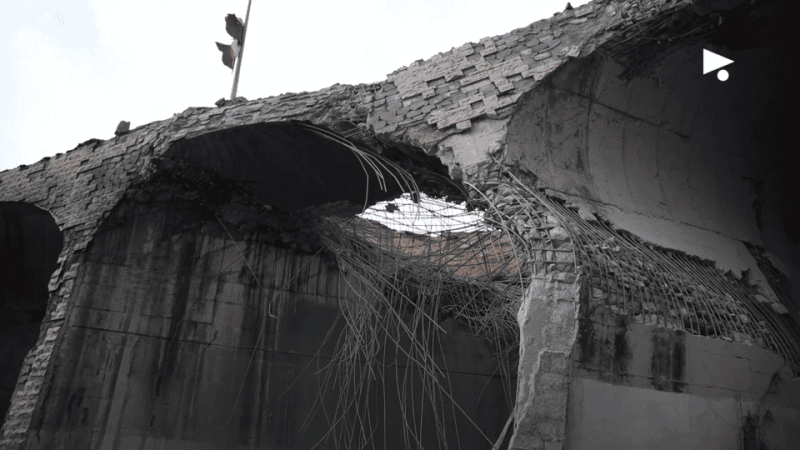
Photo. Megaphone / Wikimedia Commons
This week Israel launched a new wave of airstrikes on southern Lebanon and the outskirts of Beirut. Despite the ceasefire, exchanges of fire between the two sides occurred frequently, with the current Israeli attacks marking one of the most serious escalations with Hezbollah in recent months.
How did it start?
On Tuesday, Israel launched more than 120 airstrikes targeting southern and eastern Lebanon, hitting areas believed to contain Hezbollah infrastructure and positions, most of which were actually civilian infrastructure.
A day later, on Wednesday, the Israeli military declared a new area of southern Lebanon a “combat zone,” warning residents to evacuate northward and stating it would act “with great force” against Hezbollah in the area.
On Thursday, Israel carried out a strike on Beirut for the first time in three weeks. According to two Israeli security sources, the target of the strike was Ali al-Husseini, head of the missile force in the Imam Hussein Division, which is an Iranian military unit affiliated with the IRGC’s Quds Force that operates alongside Hezbollah. In addition, the IDF attacked Tyre, where at least 11 people were killed. According to Lebanese health authorities, at least 16 people have been killed and 58 wounded in Israeli attacks in southern Lebanon.

The fragile ceasefire
Despite the formal U.S.-brokered ceasefire, exchanges of fire occurred frequently, with each side accusing the other of violating the established terms. Since the ceasefire took effect on April 16, the IDF has struck over 1,100 Hezbollah-linked targets, during which more than 500 people were killed, according to Lebanon’s Health Ministry. As for Israeli losses, around 10 soldiers have been killed since April 16, six of them by Hezbollah explosive drones.
Nevertheless, the greatest human cost of the war falls on civilians. More than 1.2 million Lebanese have been displaced by Israeli strikes and evacuation orders since March 2, when Hezbollah opened fire on Israel following the killing of Iranian Supreme Leader Ali Khamenei during the 2026 Iran war.
Since then, Israeli strikes have bombed Lebanon’s south, east, and its capital Beirut, killing more than 3,200 people, according to Lebanon’s Health Ministry.
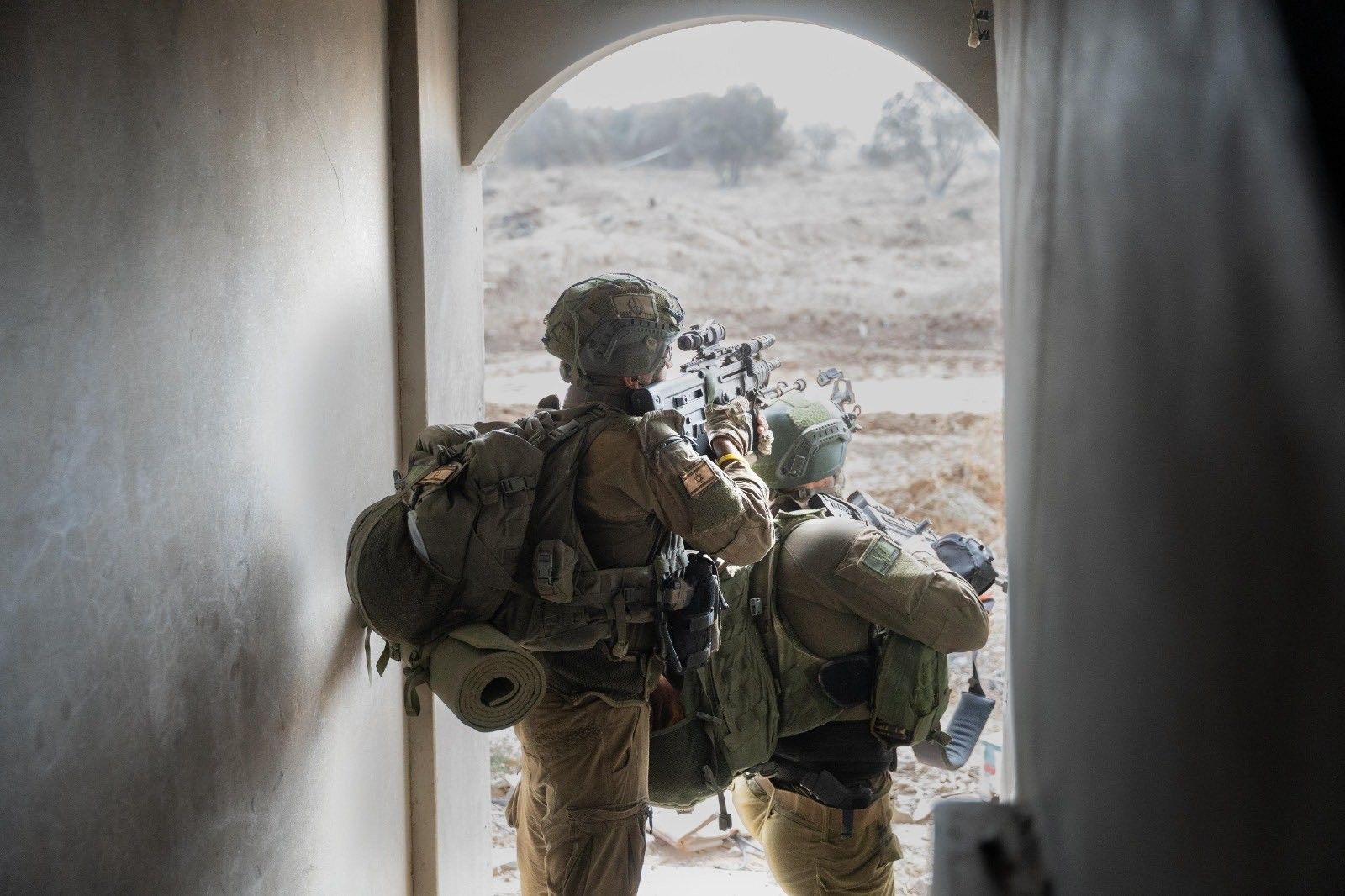
Perspective for the future
The attacks came despite previous ceasefire efforts and growing international pressure to prevent a broader regional conflict. Although the United States had reportedly been pressuring Israel not to target the capital, as they worried that it could derail peace talks between Jerusalem and the Lebanese government, Israel nonetheless decided to do so.
The renewed violence has intensified concerns about the possibility of a more complex escalation between Hezbollah and Israeli forces.
For now, diplomatic efforts remain limited, as most regional attention is focused on Iranian-American talks, while both Israel and Hezbollah continue signalling readiness for further confrontation. The current escalation is yet another example of the persistent instability in the Middle East. The latest strikes suggest that the fragile status quo along the Israeli-Lebanese border is no longer holding, and the prospect of further escalation is already real.


