












- ANALIZA
- WIADOMOŚCI
MGCS collapses. Franco-German defence cooperation loses its second flagship programme

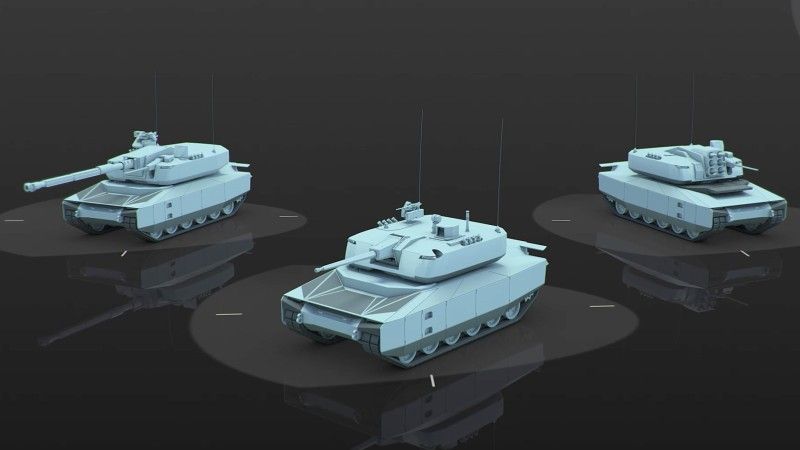
The German withdrawal from MGCS is not just another delay in a European armaments programme. It comes only a few months after the breakdown of the Franco-German track inside SCAF/NGF. In a very short period, the two flagship projects launched in 2017 as symbols of European strategic autonomy — the future combat aircraft and the future land combat system — have both moved away from their original Franco-German logic.
General Fabien Mandon’s statement is therefore politically important. MGCS was supposed to replace the French Leclerc and the German Leopard 2 in the 2040s. Instead, after years of industrial disputes, political hesitation and diverging military timelines, Paris and Berlin are again returning to national paths for their most important combat platforms. The rhetoric of common European defence remains, but the hardest industrial choices are still made through national interests.
This does not mean that everything done under MGCS was useless. French and German teams worked on future land combat, manned and unmanned systems, sensors, protection, data exchange and the broader “system of systems” logic. Some of that work may still survive. But the central idea — one shared Franco-German future tank family — is now badly damaged, if not finished.
See also 
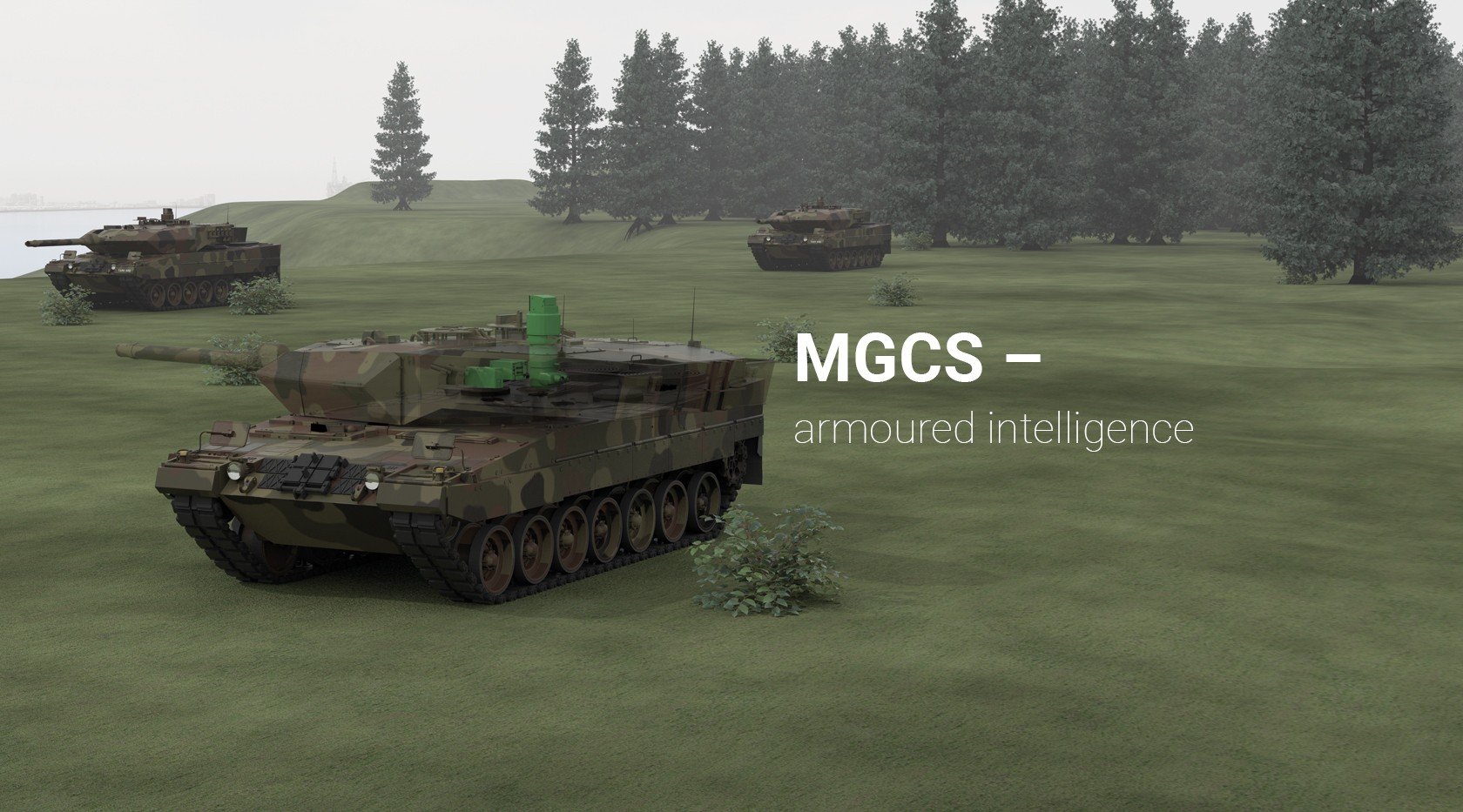
The deeper problem is that France and Germany no longer have the same calendar. Germany has the Leopard 2A8, a strong industrial base around KNDS Deutschland and Rheinmetall, and a parallel national project often described informally as Leopard 3 or Leopard 2AX. France has the Leclerc XLR and then a much more difficult question. The Leclerc is expected to begin leaving service around 2038, while MGCS had already slipped towards 2045 or later. For Paris, that gap is not theoretical. It is a force-planning problem.
France has not been inactive. KNDS has already shown CAPINT, a possible intermediate capability combining a German chassis with a French turret and the ASCALON 140 mm gun. French officials have also spoken about a future solution built around a European platform, a French turret and a French combat system. But if Germany is politically leaving MGCS, Paris will now have to decide whether it still wants to rely on a German platform for its transition tank, or whether the next step must become more national.
This is why Mandon’s other message matters. France is not abandoning the tank. The future battlefield may include drones, robots, artificial intelligence and networked fires, but the need for a heavily protected platform with direct firepower has not disappeared. The future tank will probably not be a simple “Leclerc 2”. It will be part of a wider combat system. But France still needs armour, firepower and protection, because the war in Ukraine has not abolished heavy forces. It has made their integration with drones, robots and data more urgent.

The collapse of MGCS also confirms a wider European trend. Cooperation is not disappearing, but the old model of two political leaders announcing one great common platform is losing credibility. SCAF/NGF and MGCS were meant to show that France and Germany could build the next generation of European air and land power together. In 2026, the opposite is happening, and Germany is exploring its own routes in combat aviation and heavy armour, while France is preparing national studies for both its future combat aircraft and the successor to the Leclerc.
The real lesson from MGCS is not that Franco-German defence cooperation has become impossible, but that it cannot replace national force planning, industrial interests and military calendars. France and Germany entered the programme with the same political slogan, but not with the same operational problem. Berlin can rely on the Leopard 2A8, develop an interim national platform often described as Leopard 3 or Leopard 2AX, and move at a pace shaped by the strength of its land industry. Paris has a more immediate and more uncomfortable issue – and it is quite logical – the Leclerc will begin to leave service around 2038, while MGCS was already drifting towards the mid-2040s.
In practice, France cannot allow the future of its heavy forces to depend on a programme in which the partner has less urgency, more industrial alternatives and a different view of the final platform. This is why the collapse of MGCS matters beyond France and Germany. It shows that European defence cooperation is moving away from the illusion of one great common platform and towards a more fragmented model. For Europe, this is a warning that we are without programmes that deliver capability before the capability gap appears. France is now looking for partners, but at the same time does not want to share technology.


