












- WIADOMOŚCI
- ANALIZA
Estonia moves to close its border with Russia. The GRU is already attacking from within

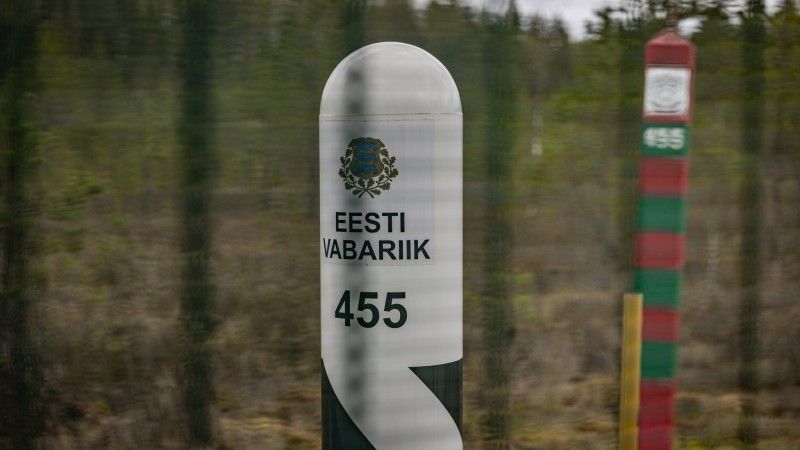
Estonia is preparing to close its border crossings with Russia from 1 December 2026 following another attempted act of sabotage against its defence industry. Eight Latvian nationals have been detained after an attack on drone manufacturer Threod Systems, attributed by Estonian counterintelligence to Russia’s military intelligence service, the GRU. Tallinn is responding to an increasingly serious threat, but there is an important distinction – which must be underlined – that Estonia does not expect an imminent Russian invasion. Moscow is already conducting hostile operations against the country without sending its army across the border.
The decision to prepare the closure of the Narva, Koidula and Luhamaa road crossings follows the attempted arson attack on Threod Systems in Viimsi, near Tallinn, at 3.06 a.m. on 14 November. According to the Estonian Internal Security Service (KAPO), the attackers attempted to break windows and introduce flammable substances into the building to cause a fire and explosion. The intervention of company security personnel prevented serious damage, while production and drone deliveries remained unaffected. Prime Minister Kristen Michal subsequently ordered preparations for the border closure, although the final government decision and the duration of restrictions have yet to be confirmed.

The investigation reveals a much broader Russian operation. Latvia’s State Security Service (VDD) searched nine locations and seized explosive devices, ammunition, pyrotechnic materials and electronic equipment. Eight Latvian nationals were detained in connection with the attack. More importantly, KAPO Director General Margo Palloson revealed that approximately ten Estonian defence companies are being targeted by Russian intelligence. Over recent years, the authorities have identified more than 50 people who agreed to cooperate with Russian services, sometimes carrying out sabotage for just a few hundred euros. Russia is exploiting individuals who can move freely within the Schengen Area to attack European defence production from within.
The incident is not isolated. On 15 August, a building used by Milrem Robotics in Tallinn was set on fire in an attack also attributed to Russian security services. Both Milrem and Threod develop unmanned military systems, including technologies used by Ukraine. The choice of targets is deliberate. Russia wants to damage European defence companies, disrupt military assistance to Kyiv and demonstrate that it can strike sensitive facilities without launching a conventional military operation. This is precisely the purpose of hybrid warfare: to weaken a state while avoiding open military confrontation.
Estonia is now following a path already taken by Finland, which closed its land border crossings with Russia in December 2023. However, closing official crossings does not eliminate the threat of illegal entry. Finnish authorities continue to detect attempts to cross through forested border areas. Some previous incidents have involved individuals with Russian military backgrounds, including a former Wagner fighter detained after an illegal crossing in 2025. This does not establish that every attempted crossing is a Russian intelligence operation, but it demonstrates the security risks facing countries bordering Russia.
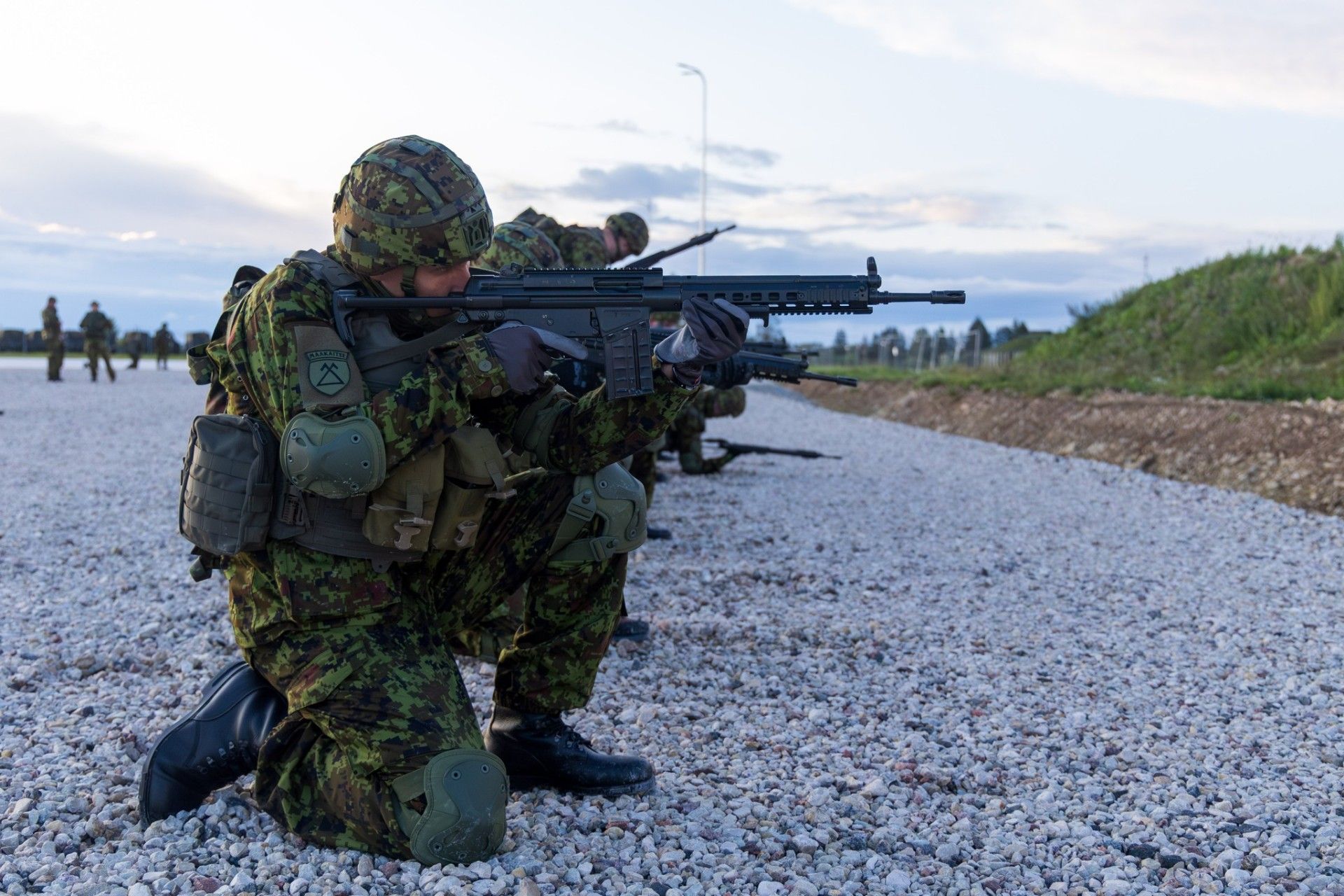
Tallinn’s decision will inevitably intensify the debate elsewhere in the region. Poland still maintains crossings with Russia’s Kaliningrad region, while the borders with Belarus remain a serious security challenge for Poland and Lithuania. Further restrictions could reduce some vulnerabilities, but they would not prevent Russian services from recruiting perpetrators already inside the European Union. Nor is there evidence that Estonia has formally demanded that Warsaw close its border. The question for European governments is therefore broader than border traffic alone: how can they prevent Russia from organising attacks through individuals operating on their own territory?
Estonia does not expect an imminent war with Russia
There is another aspect frequently overlooked in Western discussions. During my visits to Tallinn, I have repeatedly heard Estonian security experts challenge the assumption that a Russian invasion is inevitable. This applies particularly to scenarios involving Narva, which regularly appears in Western speculation about a possible Russian attack. Estonia’s Foreign Intelligence Service assessed in February 2026 that Moscow did not intend to attack Estonia or another NATO member within the following year. This does not mean that the Russian threat is being underestimated. On the contrary, Estonia is expanding its defence capabilities while maintaining a distinction between a possible future military confrontation and the threats it faces today.
Russia does not need to invade Estonia to undermine its security. Sabotage, espionage, cyberattacks and attacks against defence companies can already cause considerable damage. Moscow is attempting to demonstrate that it can reach targets deep inside European states, while creating uncertainty among their populations. The challenge is preventing Russian intelligence from carrying out attacks inside NATO countries, often using people who are already there.


