












- WIADOMOŚCI
- ANALIZA
Saudi military modernisation: The limits of strategic autonomy

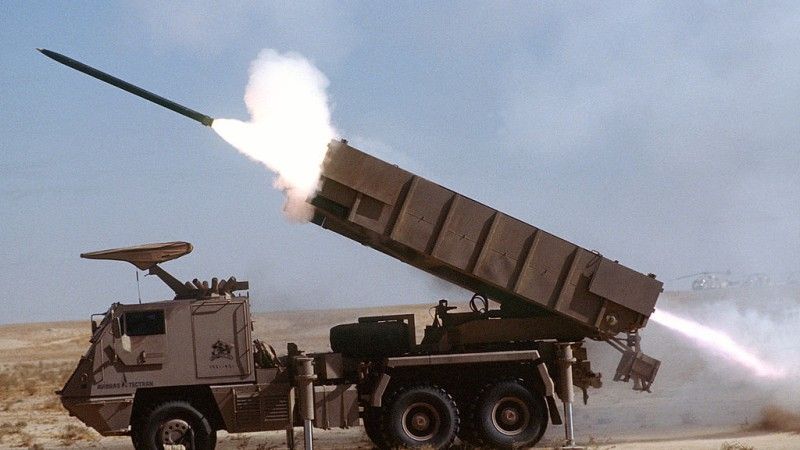
September’s approval of a possible F-35 sale opens the way for further modernisation of Saudi air power. Houthi attacks, however, confront Riyadh with a more immediate test: sustaining its defences during a protracted crisis. The Kingdom’s freedom of action depends on its ability to replenish ammunition, repair equipment and draw on support from partners. Modernisation enhances strategic autonomy to the extent that it enables Riyadh to sustain its chosen policy despite supply disruptions.
On 17 September, Reuters reported that the US State Department had approved the possible sale of up to 48 F-35 fighter aircraft. The proposed package, which also includes engines, spare parts and support, was valued at an estimated $24.3 billion. The proposal remains subject to congressional review. Its implementation would expand Saudi air capabilities but would require the preparation of personnel and support infrastructure, as well as the new aircraft achieving operational readiness.
Immediate requirements have a shorter horizon. On 16 September, AP reported, citing two anonymous regional officials, that Saudi interceptor missile stocks were low and that Riyadh was seeking assistance from its partners. The size of those reserves remains unconfirmed. Read alongside the proposed F-35 sale, the report highlights two distinct tasks: developing future capabilities and sustaining those needed in the ongoing crisis.
From procurement to sustained defence
According to SIPRI, the Stockholm International Peace Research Institute, the United States accounted for 77 per cent of Saudi Arabia’s major arms imports by volume in 2021–2025. This concentration of supply gives cooperation with US industry particular significance. Dependence also extends to sustaining the systems already purchased, including access to spare parts, maintenance, training and further ammunition deliveries.
The scope of this relationship is illustrated by the US Defense Security Cooperation Agency’s notification of 30 January 2026 concerning the State Department’s approval of a possible sale of up to 730 PAC-3 MSE missiles for the Patriot system. The proposal also includes logistics support, spare parts, training and software support. The missile figure sets the maximum scope of the proposed transaction, rather than indicating existing stock levels. For current defensive operations, delivery schedules and the rate at which reserves are being consumed remain decisive.
If ammunition consumption exceeds replenishment, commanders may face a choice between maintaining current defensive coverage and conserving stocks for further operations. Political pressure can emerge before ammunition is exhausted. Uncertainty over further deliveries makes it harder to assess how long operations can be sustained without increasing the vulnerability of Saudi territory to attack. Supply constraints can therefore influence calculations about escalation even when equipment is serviceable and personnel are trained.
Developing air power can broaden the available military options, but introducing the F-35 and replenishing Patriot missile stocks address different needs. The value of modernisation depends on coordinating these programmes over time. Riyadh must fund future capabilities while sustaining its existing defences. Approval for the sale of a new system does not resolve the latter task.
Shared interests and supply constraints
The availability of support depends both on partners’ political decisions and on their industrial capacity. In an analysis dated 18 March 2026, SIPRI researchers noted that the consumption of weapons during the war with Iran, together with the need to rebuild stocks, could slow US arms exports. The requirements of US forces and foreign customers draw on the same production capacity. Even Washington’s agreement to provide assistance does not eliminate the time needed to manufacture and deliver weapons.
Efforts to expand production already involve new subcontractors. On 17 September, Lockheed Martin announced that it had received the first batch of PAC-3 MSE missile housing components from GM Defense, delivered on 28 August. This represents progress in expanding the industrial base, but the announcement does not specify when completed missiles will reach Saudi Arabia. For Riyadh, the benefit would depend on greater component supply translating into regular replenishment of its own stocks.
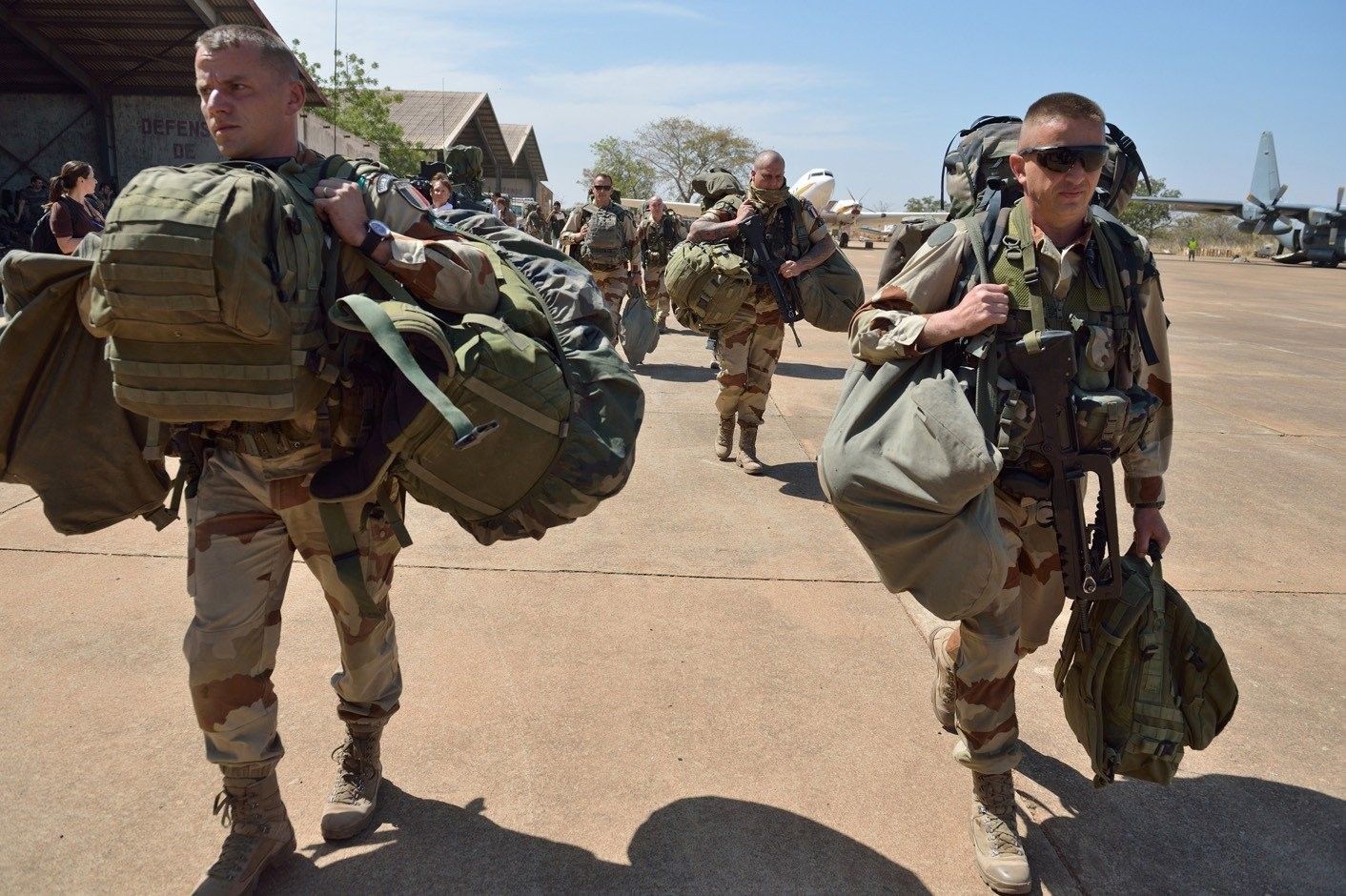
Cooperation with partners can, meanwhile, provide capabilities needed during the crisis itself. On 22 September, the UK Ministry of Defence confirmed its agreement to provide a Voyager tanker to refuel Saudi aircraft. It also highlighted air defence support already being provided, including equipment and British personnel. London also justifies its assistance by reference to its own interest in protecting trade and energy supplies. These shared interests provide a basis for meeting some of Riyadh’s defence needs through partner support.
The significance of such assistance depends on the needs it meets. Air-to-air refuelling, personnel contributions to air defence and missile deliveries address different operational constraints. Saudi freedom of action increases when the scope and timing of support match the requirements of the operation. A gap between those requirements and partners’ capabilities can narrow that freedom even in the absence of a political dispute. In such cases, dependence makes itself felt through delivery schedules rather than demands for concessions.

Localisation and the division of responsibilities
Industrial development within the Kingdom can change this relationship, although individual projects give Riyadh different degrees of autonomy. In a statement dated 11 May 2025, Lockheed Martin reported that AIC Steel had completed the first locally produced THAAD launcher components. The manufacturer also described the project as establishing an additional source for the US supply chain. Saudi industrial expertise can therefore grow alongside participation in a foreign production network. Localisation need not entail looser ties with the supplier.
A more direct effect on equipment availability is envisaged under the partnership with Pioneers Technical Systems announced by Lockheed Martin on 9 February 2026. The planned facility will test, repair and certify PAC-3 launcher components for the Patriot system. The agreement also covers training for local technicians. Full operational capability is expected by 2029. If the project delivers its intended capabilities, some of the work needed to return equipment to service could be carried out domestically.
The project’s contribution to military readiness would depend on the time saved during repairs and the range of tasks taken on by local personnel. Bringing the repairs covered by the programme into the Kingdom could reduce equipment downtime. The extent of these benefits would depend on the expertise transferred and access to the necessary parts. Launcher maintenance does not, however, resolve the separate problem of replenishing ammunition. Autonomy can therefore increase in one area while dependence persists in another.
Conditions for greater freedom of action
Modernisation faces three practical tests: whether stocks can be replenished continuously, how quickly equipment can be returned to service, and whether support remains available as demand rises. The number of suppliers alone does not answer any of these questions. An additional partner increases freedom of action when it provides a needed capability or fills a supply gap that an existing partner cannot meet. Acquiring a wider range of equipment without ensuring its support could, however, place greater demands on personnel, logistics and the budget.
Riyadh also bears responsibility for meeting these conditions. Stockpile levels, the timing of orders and the organisation of maintenance reflect decisions made by the recipient. A partner’s willingness to help has limited effect if the recipient lacks the support infrastructure needed to make use of deliveries. Import concentration is therefore one factor constraining autonomy; its effects also depend on how Saudi capabilities are planned and sustained.
If the expansion of its arsenal is accompanied by supply and maintenance arrangements that are more resilient to disruption, Riyadh will gain more time to pursue its own policy during a crisis. Otherwise, expanding operations will increase the importance of foreign partners’ decisions and capacity, while scaling back could become a means of conserving resources. Uncertain deliveries can shorten the window for negotiations even before shortages make further defence impossible. The political value of modernisation would lie in easing this pressure and preserving the choice between continued operations and a negotiated settlement.


