- ANALIZA
- WIADOMOŚCI
Arms embargoes and transnational crime

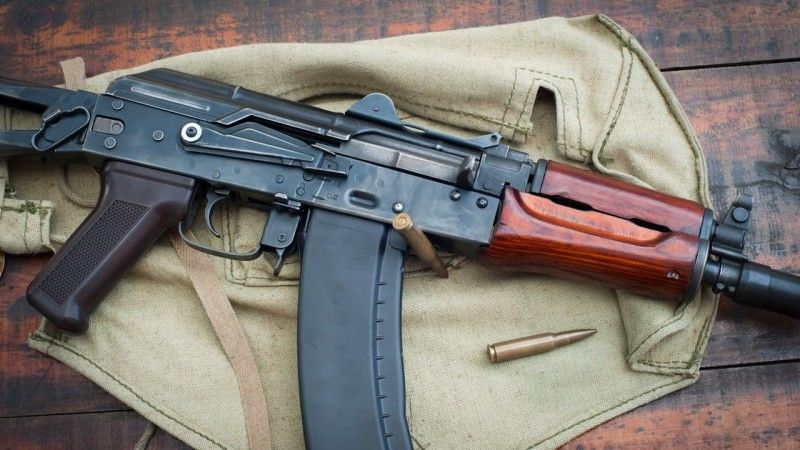
The link between transnational crime and arms embargoes isn’t merely coincidental; rather, crime often emerges as a consequence of such measures. Arms embargoes are rarely effective; instead, they strengthen the illicit movement of arms and weapons through transnational criminal activities like arms smuggling and trafficking, as well as arms diversion.
Arms diversion is the transfer of arms from the intended recipient. This is often the case in countries experiencing conflict and placed under sanctions or embargoes. Arms diversion, trafficking, and smuggling make embargoes not only ineffective but also contribute to transnational criminal chains. The ineffectiveness of sanctions and embargoes strengthens transnational crime and weakens international regulations.
The latest call for an arms embargo on all of Sudan by the US will strengthen transnational crime and arms diversion because, as the war rages on in the country, both factions require weapons to take over territory, protect territory, or attack the other faction. An embargo would mean that the legal acquisition of weapons in the country would be made difficult, and thus alternative avenues would be sought, alternatives that are already present and would only be strengthened. This comes against the backdrop of accusations of arms trafficking and smuggling from the United Arab Emirates through Chad and Libya to the Rapid Support Forces.
When it comes to arms diversion, its use as a form of bypassing imposed embargoes isn’t new in the region, as seen with Uganda, which has previously supplied arms to South Sudan and the Democratic Republic of the Congo through arms diversion despite a UN arms embargo, a scenario that is likely to continue in Sudan. Despite an embargo on Darfur, the flow of arms persisted, and a report by Amnesty International indicated that arms were brought into other parts of Sudan before being diverted to Darfur. With no consequences for those implicated in arms diversion or arms trafficking, these sanctions will strengthen transnational criminal activities. This may result in increased demand for arms on the black market. Such an increase would be the result of these measures, which often strengthen illicit markets rather than deter conflict because the need for arms and weapons doesn’t stop with the embargoes; it simply creates an alternative path. From arms smuggling and trafficking to arms diversion, embargoes don’t deter but encourage.
Arms smuggling and trafficking to Sudan’s Rapid Support Forces have been linked to its neighbours, like Chad and Libya, among others. This supply depends on the relationships between the different conflict alliances; for example, the United Arab Emirates, which has been linked to the RSF, hasn’t been held accountable in any way despite reports by Amnesty International. This further highlights the link between transnational crime and foreign relations. And in the face of embargoes, marked by double standards, alliances, foreign relations, and illicit networks, they are of no real consequence other than as a security threat that strengthens transnational crime.

It is key to note that transnational crime moves beyond conflict, and each conflict strengthens a network of transnational criminal actors who stay long after. Arms and weapons supply is critical in every conflict, and enforcing embargoes without acknowledging the foreign policy interests and transnational crime routes that guide the supply of these arms further strengthens transnational criminal activities.
In conflict zones, embargoes and sanctions strengthen transnational crime because it doesn’t operate in a vacuum and is often enabled by a demand for illegal or scarce items, conflict, foreign interests, and financial need. In the case of Sudan, the first three are present, and the use of transnational crime in foreign relations is seen through the smuggling and trafficking of arms to the RSF, while weakening imposed embargoes that depend on international cooperation for implementation. The arms embargo will create a scarcity of arms and weapons, thus leading to the growth of the black market.
Transnational criminal activities across the Libya-Chad-Sudan triangle thrive due to the insecurity across these borders in addition to the interests of global powers in this region. These include mineral trafficking from Sudan to the UAE and arms smuggling and trafficking from the UAE to Sudan through Libya and Chad. On the foreign relations front, transnational crime has been used by different countries to strengthen relationships, as in the case of Chad and Libya’s support for the RSF. Libya and Chad have strengthened their relations with the UAE by acting as conduits for illicit arms supply to the RSF.

The current measures won’t yield positive results; instead, they are likely to strengthen the already existing transnational criminal actors. Emboldened by the lack of consequences for the countries that have been previously implicated in the illicit movement of arms, transnational crime appears to be an alternative means of weapons acquisition. Sanctions and embargoes are only effective if there’s international cooperation to ensure enforcement and if transnational criminal networks and actors are held accountable.