- WIADOMOŚCI
- ANALIZA
Chinese sanctions and their impact on European supply chains


Chinese export restrictions are becoming a source of risk for European businesses that extends beyond direct trade relations with China. Chinese sanctions lists identify specific companies by name, making it easy to assume that a company not appearing on such a list can continue its operations without concern. The case of Germany’s Sindlhauser Materials shows how costly such an assumption can be. Chinese export restrictions can affect businesses several links removed from their direct targets in the supply chain.
Sindlhauser is identified as a supplier in the production chain of the Dutch company ASML, a manufacturer of semiconductor manufacturing equipment. In July 2026, Sindlhauser was one of fourteen European entities subjected to Chinese export restrictions. A ban was imposed on supplying them with dual-use items, also covering the transfer of such items of Chinese origin by foreign organisations and individuals. The restrictions therefore also made sourcing through intermediaries more difficult.

According to media reports, the loss of access to Chinese rare earth elements and other critical raw materials threatened Sindlhauser’s continued operations. The company’s links to ASML brought its situation into EU-level discussions. In October, reports emerged of negotiations to remove Sindlhauser from the Chinese list in exchange for lifting EU restrictions on the Yusha group, which had been accused of supplying sensitive technologies to Russian recipients. At the time of those reports, the outcome of the talks remained open.
Dutch regulations made the export of certain advanced ASML lithography machines subject to licensing, thereby restricting access to such equipment for Chinese recipients. The Sindlhauser case shows how a similar dependency can operate in the opposite direction. Cutting the German supplier off from Chinese raw materials may hinder the production of ASML machines and, consequently, delay deliveries of equipment to semiconductor manufacturers. The effects of a decision concerning a single supplier may therefore be felt by businesses at subsequent stages of the supply chain.
A customer of a supplier subject to restrictions may retain full freedom to conduct its business while simultaneously losing the ability to fulfil orders. A shortage of materials or parts causes production stoppages, breaches of contractual deadlines and additional costs. Changing the supplier of a specialised material may require costly testing, re-approval of the material for production and adjustments to the technological process. In the meantime, the customer may have difficulty fulfilling its own orders on time. Checking current sanctions lists therefore provides only a partial picture of the risk. Lawyers specialising in export controls can identify which restrictions apply to a particular item and its onward transfer, as well as whether the regulations allow for an exemption licence to be obtained.

Implications for Polish businesses
A Polish company may only discover its dependence on Chinese supplies when a European counterparty suspends fulfilment of an order. Parts purchased in Germany may require raw materials from China, and changing their source may take the supplier several months. During that time, the Polish customer must deal with delays and its obligations towards its own customers.
A further complication arises from the conditions for obtaining export licences and the obligation to provide information on the end use of the goods. As a result, a supply that has previously proceeded without difficulty may be halted when the next order is placed.
A Polish business whose supplies depend on raw materials or components from China may, when entering into contracts with its own customers, agree on a clause limiting or excluding its liability (waiver) for delays or failure to deliver. The clause may cover situations where new export restrictions prevent delivery also at an earlier stage of the supply chain. The agreement should specify whether, in such circumstances, the customer may impose contractual penalties, the time limit within which the customer must be notified of the impediment, and the measures the supplier should take to mitigate the effects of the disruption.
Drone supplies to Ukraine
In a conversation with a prominent Chinese lawyer, we learned about arrests in China of individuals associated with manufacturers that ship drone parts to Ukraine. According to his account, the information that enabled those manufacturers to be identified came from official Russian sources. It should be noted, however, that publicly available information is too limited to independently confirm the scale of the arrests, determine which manufacturers were affected, or assess their impact on specific supplies.
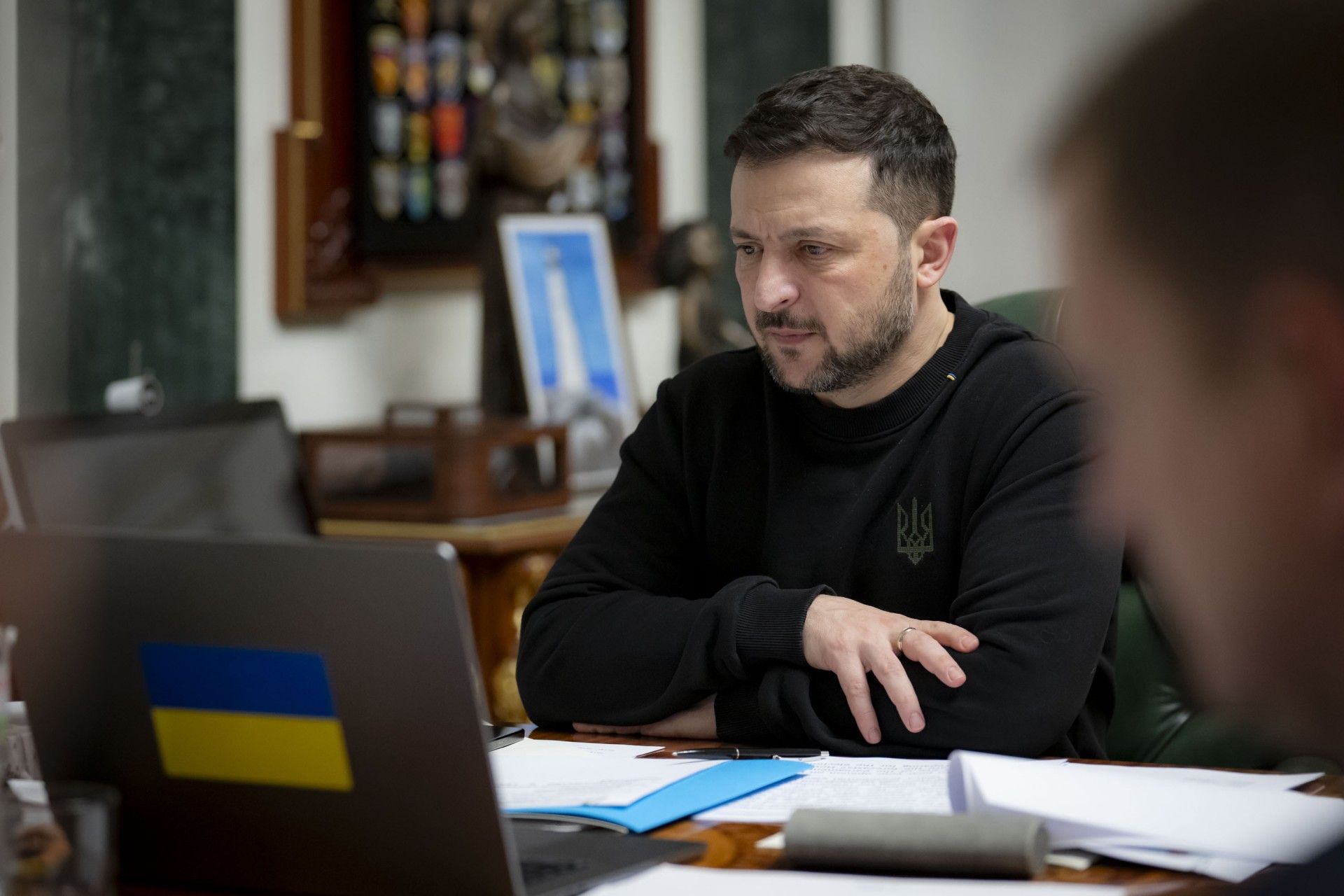
For Polish businesses involved in supplying drones to Ukraine, a material risk is that supplies may be interrupted after an order has already been accepted. Actions by the Chinese authorities against a manufacturer may halt shipment and leave the Polish customer having paid an advance while still bearing obligations towards its own customers. The account provided by our interlocutor also indicates a risk that the Russian side may identify the manufacturer and that information about it may reach the Chinese authorities. As we have observed, the Chinese side uses vulnerable links in supply chains to exert pressure on their participants. We will return to this issue later in the article. The role of Asian intermediaries must also be taken into account, as their involvement in a transaction does not eliminate the risk arising from measures taken against the actual manufacturer. Contracts concerning such supplies should therefore include clauses limiting liability for delay or non-performance resulting from actions by the Chinese authorities, including the suspension of exports or the imposition of restrictions on the manufacturer.
Authors: Jarosław Kruk, Urszula Brzozowska