











- WIADOMOŚCI
- ANALIZA
East Asian diplomacy on the sidelines of APEC

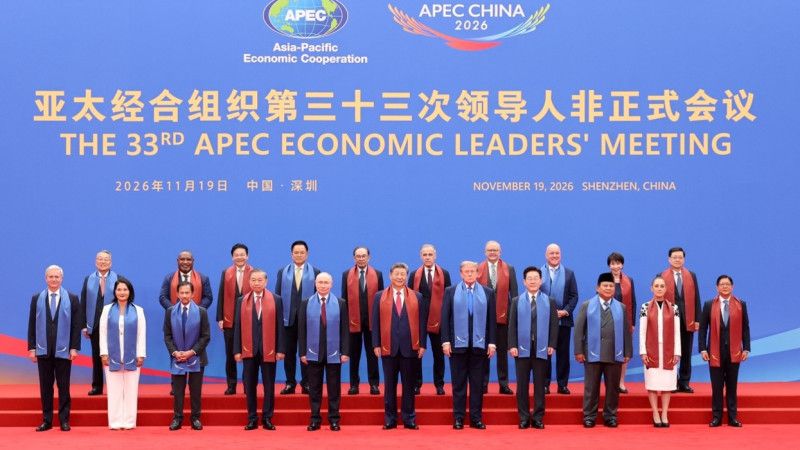
Photo. @SpoxCHN_MaoNing / X.com
While Trump, Xi and Putin dominated the APEC headlines, three less-publicised meetings revealed important developments in East Asian diplomacy and regional security.
The 2026 Asia-Pacific Economic Cooperation (APEC) summit in Shenzhen attracted global attention, particularly because of the unprecedented trilateral meeting between US President Donald Trump, Chinese President Xi Jinping and Russian President Vladimir Putin. Their discussions dominated international headlines, overshadowing other diplomatic activities taking place on the sidelines of the summit.
However, APEC gatherings also provide opportunities for bilateral meetings between leaders whose countries maintain complicated political, economic and security relationships. Some of these encounters last only a few minutes, but they can offer important insights into changing regional dynamics.
Three meetings deserve particular attention: the South Korea–China summit, the first face-to-face talks between the Japanese and Russian leaders in seven years, and a brief exchange between the presidents of South Korea and Russia.
South Korea and China: Economic cooperation despite political differences
One of the most tangible outcomes of the summit came from talks between South Korean President Lee Jae Myung and Chinese President Xi Jinping. The two leaders announced the substantial conclusion of negotiations to expand their bilateral free trade agreement (FTA) to cover services and investment, following approximately eight years of discussions.
The agreement could be formally signed as early as June 2027, with implementation potentially beginning later that year. It would facilitate greater access to the Chinese market for South Korean companies operating in several sectors, including tourism, retail, legal services and the entertainment industry.

Particularly significant are provisions concerning the entertainment industry. Since 2016, China has maintained an unofficial ban on South Korean cultural content following Seoul’s decision to deploy the American THAAD missile defence system. These measures have affected Korean music, television productions and other cultural activities, becoming a symbol of the political tensions between the two countries.
The new agreement introduces principles of most-favoured-nation treatment and non-discrimination in preliminary reviews of films and video games, raising expectations that China’s informal restrictions on Korean entertainment could gradually be eased. However, whether these commitments will translate into meaningful market access remains uncertain.
The agreement also reflects a broader effort to strengthen economic cooperation despite continuing strategic differences. For Seoul, improving relations with Beijing offers economic opportunities and may support its attempts to reduce tensions on the Korean Peninsula. China, meanwhile, remains an important economic partner for South Korea and a country with considerable influence over Pyongyang.
Japan and Russia: Reopening channels without a breakthrough
Another notable meeting took place between Japanese Prime Minister Sanae Takaichi and Russian President Vladimir Putin. Their conversation, lasting approximately half an hour, marked the first face-to-face meeting at this level since former Japanese Prime Minister Shinzo Abe met Putin in 2019.
Relations between Tokyo and Moscow have deteriorated significantly since Russia’s full-scale invasion of Ukraine in 2022. Japan joined Western sanctions against Russia and provided substantial assistance to Ukraine, while Moscow responded with increasingly hostile measures. The two countries also remain divided over the territorial dispute concerning the southern Kuril Islands, known in Japan as the Northern Territories. The unresolved dispute has prevented Japan and Russia from concluding a formal peace treaty following the Second World War.

During their meeting, Takaichi raised concerns about a Japanese journalist detained in Russia on espionage charges and Moscow’s decision to place the Russian subsidiaries of Japan Tobacco Inc. under the temporary management of a Russian company. She reportedly called for the reversal of this decision, while both leaders agreed to maintain direct communication channels.
The encounter, however, should not be interpreted as a diplomatic breakthrough. Japan has shown no indication of abandoning its sanctions policy, while Moscow continues to regard Tokyo’s support for Ukraine as hostile.
Nevertheless, the meeting demonstrated that both governments see some value in maintaining direct dialogue. For Japan, communication offers a means of addressing consular and economic concerns without fundamentally changing its position on Russia. For Moscow, engagement with Tokyo may provide an opportunity to push for a reconsideration of Japan’s sanctions against Russia and its continued support for Ukraine.
South Korea and Russia: A brief but significant exchange
The third meeting was considerably shorter but potentially important for regional security. South Korean President Lee Jae Myung spoke with Vladimir Putin for approximately ten minutes during a dinner on the sidelines of the summit. It was the first direct conversation between the leaders of South Korea and Russia since the meeting between Presidents Moon and Putin at the G20 summit in Osaka in June 2019.
Bilateral relations have deteriorated sharply in recent years. Seoul imposed sanctions on Moscow following the invasion of Ukraine, while Russia’s deepening military cooperation with North Korea has become a major security concern for South Korea. The deployment of North Korean troops to support Russian military operations has further complicated relations.
Lee and Putin agreed on the importance of managing bilateral relations and exploring cooperation in areas unaffected by existing disputes. They also discussed the need to prevent further deterioration of the security situation on the Korean Peninsula, including the North Korean nuclear issue.
For Seoul, the meeting provided a rare opportunity to communicate directly with Moscow and better understand Russia’s position on inter-Korean relations and potential US–North Korea dialogue.
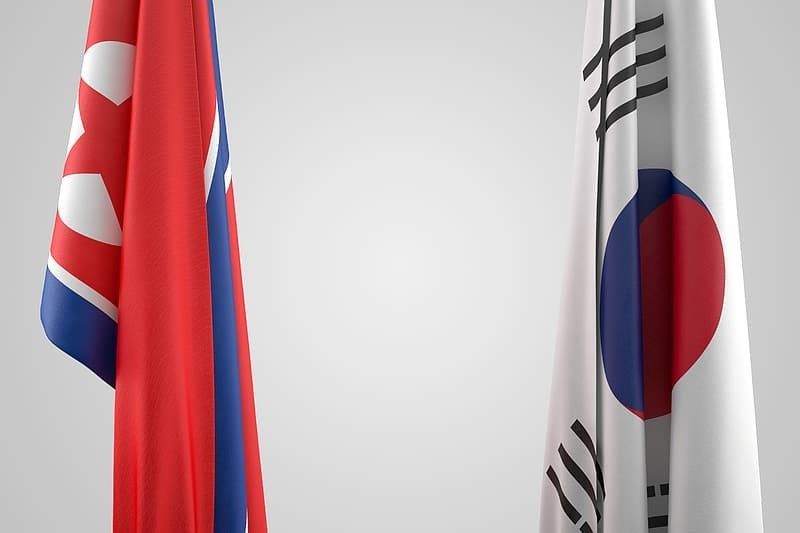
This is particularly important for Lee’s administration, which has sought to reduce tensions with Pyongyang and restore diplomatic engagement. Russia’s growing influence over North Korea means that Moscow cannot be excluded from Seoul’s calculations, even as bilateral relations remain strained.
Nevertheless, substantial improvements are unlikely without changes in Russia’s policy towards Ukraine and its military cooperation with North Korea. The significance of the meeting therefore lies primarily in reopening direct communication rather than producing immediate results.