












- WIADOMOŚCI
Failure of Iranian-American talks. Europe responds

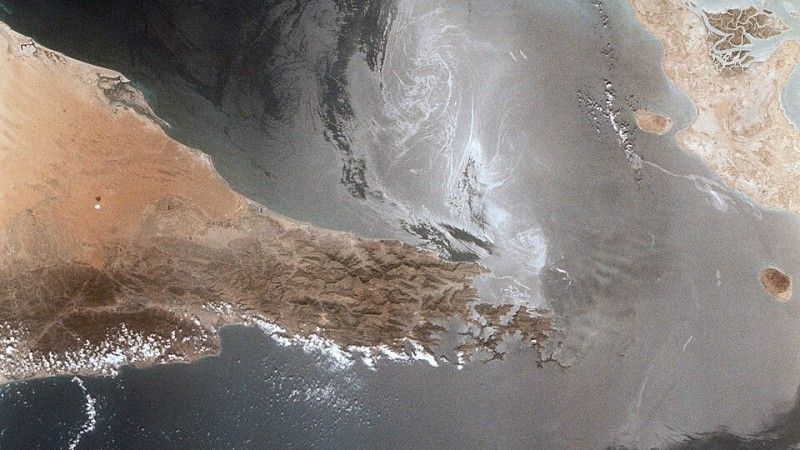
Iran did not accept the conditions imposed by the United States. The two sides clashed over two key issues.
The parties met in Islamabad, Pakistan, to negotiate a lasting peace in the Middle East. After 21 hours of talks, no agreement was reached. Iranian Foreign Ministry spokesman Esmail Bagaei stated that “the talks were held in an atmosphere of mutual distrust, so it is natural that one should not expect an agreement to be reached in a single session.” The first to announce the failure of the negotiations was the US Vice President J.D. Vance. “We clearly defined our red lines—where we are willing to make concessions and where we are not—and we explained this as clearly as possible, but they chose not to accept our terms,” he said.
See also 

Pakistan, which acted as mediator in the negotiations, has appealed to both sides to continue observing the ceasefire despite the collapse of the talks. The main points of contention were reported to be the Strait of Hormuz and Iran’s nuclear program. The Iranian delegation included, among others, Parliament Speaker Mohammad Bagher Ghalibaf and Foreign Minister Abbas Araghchi. The US was represented by Vice President J.D. Vance, Donald Trump’s special envoy Steve Witkoff, and Trump’s son-in-law Jared Kushner.
President Donald Trump threatened to block the Strait of Hormuz and prevent Iran from selectively allowing ships to pass and collecting fees. At the same time, he assumed that Iran would return to the negotiating table; otherwise, he declared his readiness to carry out his threats to destroy Iranian infrastructure. The US President declared that European allies would send their de-mining vessels to the Strait of Hormuz.
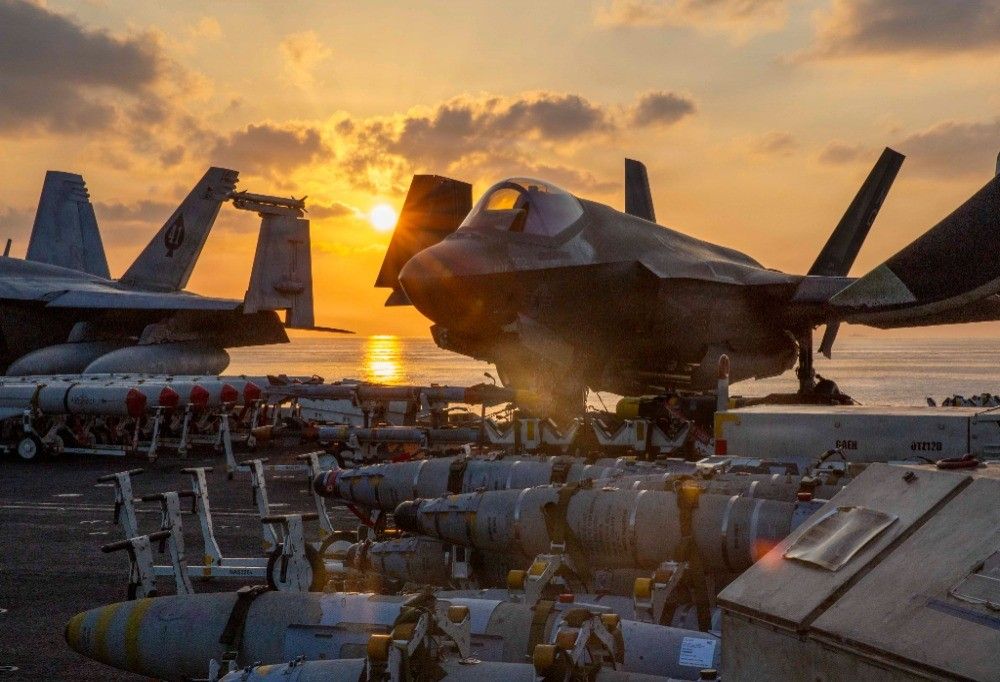
US President’s warning of the strait’s blockade was met with a reaction from European allies. British Prime Minister Keir Starmer stated that the UK will not be dragged into the conflict and does not agree to the blockade. French President Emmanuel Macron declared that he will organise a joint conference with the UK to decide on launching an international mission, the aim of which would be to restore freedom of navigation in the Strait of Hormuz.
Iran refuses to abandon the development of its nuclear program. As a result of the failed talks, there is a risk that hostilities could resume, primarily through at least partial implementation of Donald Trump’s threats to destroy Iranian power plants and bridges.


