


- WIADOMOŚCI
- WYWIADY
Putin will not stop. Navalny's former ally warns Europe

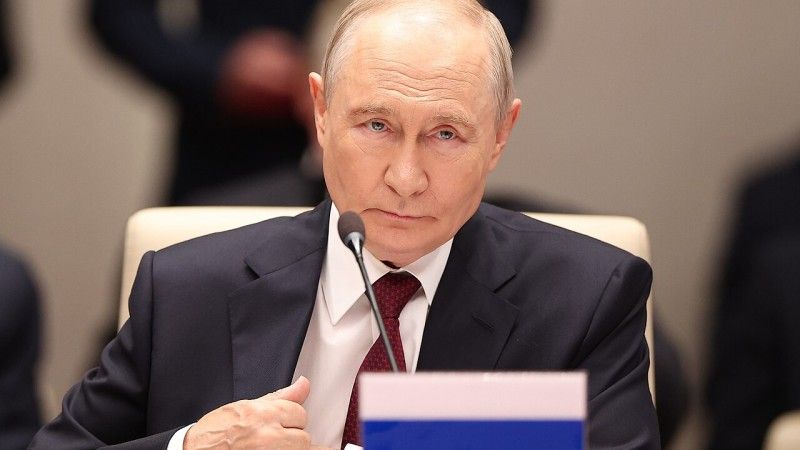
A ceasefire in Ukraine would not end Russia’s confrontation with Europe, warns Ivan Zhdanov, one of Alexei Navalny’s closest associates and former director of the Anti-Corruption Foundation. In an interview with Defence24.com, he discusses the divisions within the Russian opposition, Moscow’s calculations over negotiations with Ukraine, the Kremlin’s fear of another mobilisation and the growing threat of Russian attacks against European countries. He also explains why a future Russia must undergo fundamental political change rather than simply replace Vladimir Putin.
The Russian opposition reaches tens of millions of people through independent media, but remains divided over how to challenge the Kremlin. Zhdanov argues that Putin is exploiting high oil prices, political instability in Europe and Ukraine’s dependence on American assistance to prolong the war. He also warns that Russia could intensify sabotage and other attacks across Europe following a ceasefire, while stressing that Russian society still has the potential to influence the country’s political future.
Aleksander Olech, Defence24.com: How do you assess the current condition of the Russian opposition abroad? Is it still possible to speak about one opposition, or rather about several separate political environments?
Ivan Zhdanov: There is no single Russian opposition today, and I will not pretend that there is. Different opposition groups differ in both their audiences and their activities, from media work to human rights.
They also differ in how radical they are. There are those who call on people to go to the polls and use every legal opportunity. There are those who see this as playing by the Kremlin’s rules and support armed struggle. Nobody today knows a working recipe for defeating a modern dictatorship like Putin’s.
One can say for certain that we have an audience: the regular viewers of opposition YouTube channels alone number in the tens of millions. But nobody has the key that would turn viewers into people ready to act. Perhaps this is because, under repression, people in Russia cannot turn individual action into mass action. In these conditions, diversity remains fragmentation. But the potential for sudden change and mass protest is there: it lies in the millions of people in Russia who watch us every day, bypassing censorship.
Do you see any realistic possibility of creating a common minimum programme for the Russian opposition — perhaps even a kind of ten-point declaration defining what different groups can agree on despite their divisions?
On 20 February 2023, almost a year before his death, Alexei Navalny published his “15 theses of a Russian citizen who wishes his country well”. They include the demand to end the war, the recognition of Ukraine’s borders as defined in 1991, including Crimea, and compensation that Russia must pay Ukraine for the damage caused by the war. The main thing, of course, is that Putin’s regime must be dismantled and Russia must become a parliamentary republic with rotation of power, independent courts and federalism; Russia must be part of Europe and follow the European path.
I am sure that almost everyone who calls themselves the Russian democratic opposition today could sign up to these points. There are no serious contradictions in them.
The problem is not the text. Over the years of emigration, a huge amount of internal struggle has built up: for attention, for resources, for the right to speak on behalf of everyone. Even attempts to create a common platform become a reason for a new quarrel. In January, PACE launched a platform for dialogue with Russian democratic forces, and the arguments about who would be on it turned out to be louder than anything it has actually done. There is no dispute about principles at all. There is a dispute between personalities and groups.
What, in your view, should be the main political objective of the Russian opposition today: influencing Russian society, preparing for a future political transition, supporting Ukraine, or maintaining international pressure on the Kremlin?
Each group chooses its own objective, and these objectives often compete with each other. Some try to reach a large audience inside Russia. Others build a “platform for the future”: constitutions, reforms, plans for a transition period. This idea is sweet and attractive: it is pleasant to dream about Russia after Putin. Answering the question of how to fight Putin now is much harder: it is unattractive, dangerous and brings almost no visible results. So many people build castles in the air, although nobody can explain what to do today. I myself chose the first, reaching the audience inside Russia, along with full support for Ukraine, Europe and anti-war Russians.
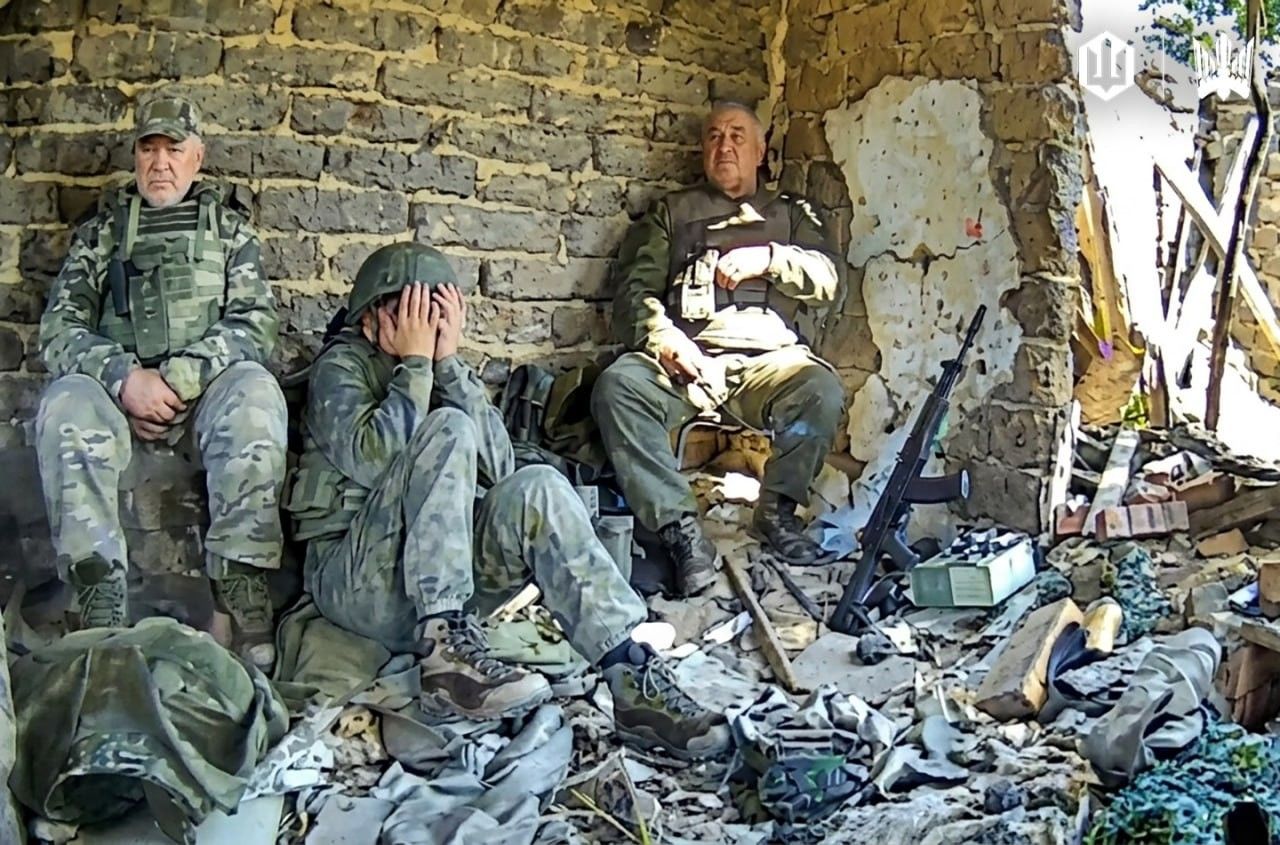
Support for Ukraine is very important. For me, Ukraine’s right to defend itself is not up for discussion, and I am in favour of Ukraine receiving weapons. But many in the opposition stay silent about this: direct support for military action means taking the side of armed resistance, including against Russian soldiers. They believe that Russians themselves will not forgive them for this: millions of families have someone who fought or died. It is commonly accepted that a politician who plans to return to Russia should be afraid of this step. But it seems to me that this war can end only when Putin feels it is impossible to continue it. And that will be in the interests of Russians too. People will stop dying both in Russia and in Ukraine.
As for international pressure and sanctions, yes, absolutely. Here the opposition, and Russian-speaking people in Europe in general, are genuinely useful: we know the language, the people and the regime’s schemes, we know where its money is and who helps it get around sanctions, and we can prove it. But even here our influence is limited: we are listened to only from time to time.
How do you assess the prospect of Russian-Ukrainian negotiations, especially if the United States becomes more directly involved in shaping the process?
The chances of a real agreement are low right now. Putin uses negotiations as a breathing space and as a way to continue the war by other means. And circumstances are working out well for him.
First, oil. Because of the war around Iran, oil costs more than $100 a barrel, almost twice as much as a year ago. Even Russian Urals, with all its discounts, sells for more than $100, while this year’s budget assumed a price of $59. Putin’s success and popular support are largely based on the fact that, after the hard 1990s, the oil price gave Russians a certain level of prosperity, which Putin linked to his own rule. Such prices make it possible to continue the war. The diesel deal with Trump gives him even more opportunities.

Until now, Ukraine’s strikes on oil refineries had been eating up part of this money: in the summer, the Kremlin’s oil revenues were about a third lower than they should have been at such prices. That is why it matters so much to Putin that the Americans are now demanding that Ukraine stop its strikes on refineries.
Second, Ukraine’s domestic politics. There was a crisis with the defence minister, Mykhailo Fedorov, there are corruption scandals, and there are demands for Zelenskyy to hold new elections. Putin sees his chance in this: to keep pressing and wait until his opponent weakens from within.
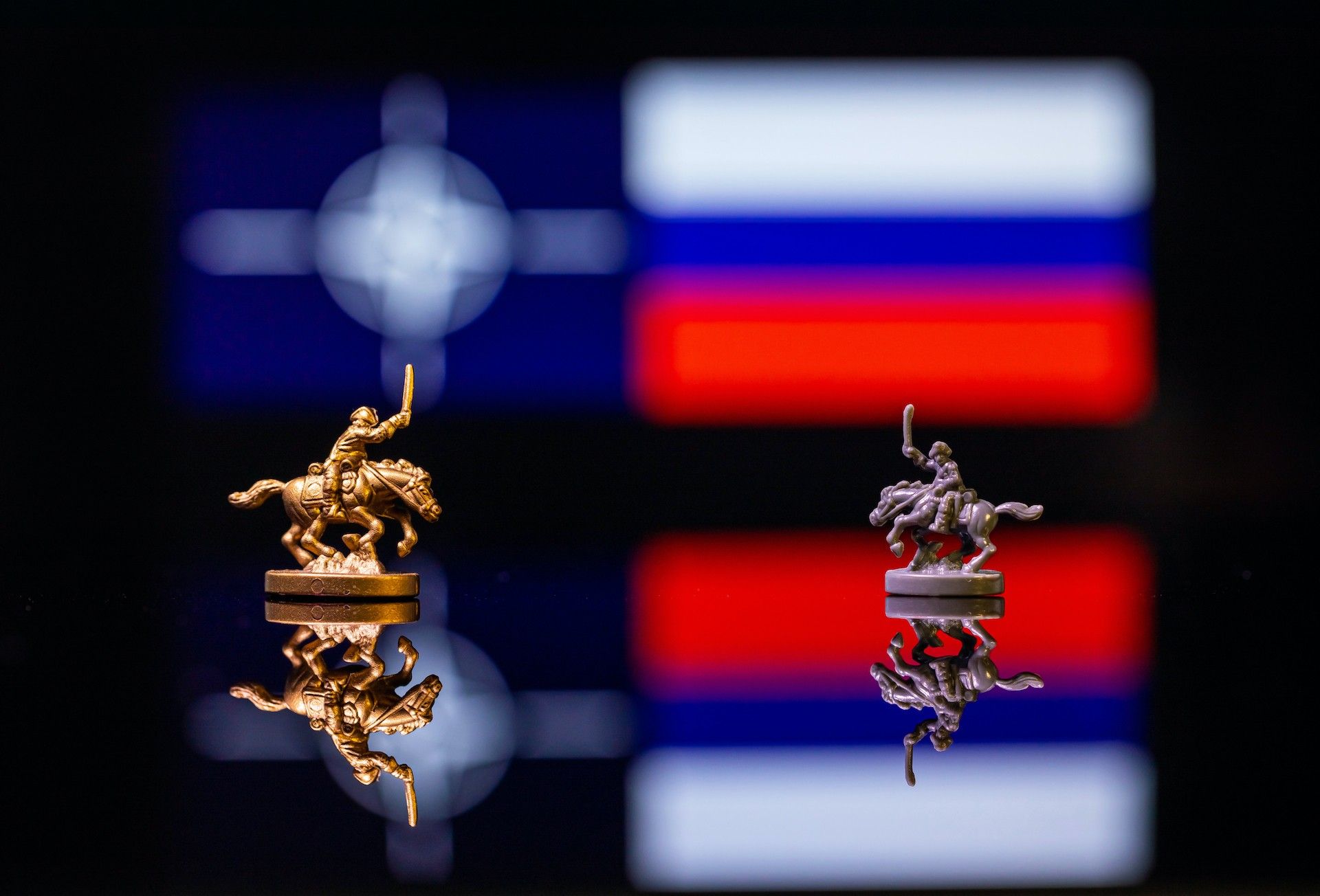
Third, a bet on instability in Europe. Europe is now Ukraine’s main support. Any political crisis in European countries, any success for those who propose to “come to terms with Moscow” benefits Putin. He is in no hurry: he only needs to wait until supporting Ukraine becomes too costly politically for European governments.
Trump is pressing Ukraine specifically because Ukraine depends on his help. He has no real influence over Russia. If the pressure falls mainly on Ukraine and not on Russia, the result will not be peace but a pause before the next war.
But there is another side to this. In almost five years of war, Putin has not achieved any of the goals he started it with, and he seems to have realised himself that he will not win on the battlefield. That is why he needs the negotiating table so badly: to win time there, and the chance to advance further.
From the perspective of the Russian opposition, what would constitute an acceptable framework for negotiations? Where do you see the biggest danger of an agreement that ends the fighting without resolving the underlying conflict?
First, about who is at the table. The Russian opposition and Europe have the same problem right now: they are not invited to the negotiations and are not considered participants. The talks are between Washington, Moscow and Kyiv.
For us, the problem with any deal is that Putin stays in power. And under Putin nothing can change in Russia: neither war as a way of solving problems, nor repression inside the country. So the danger of a deal that stops the fighting but does not resolve the conflict is obvious: Putin will not stop. He will get a breathing space, rebuild the army and carry on. And the pressure on Europe will only grow.
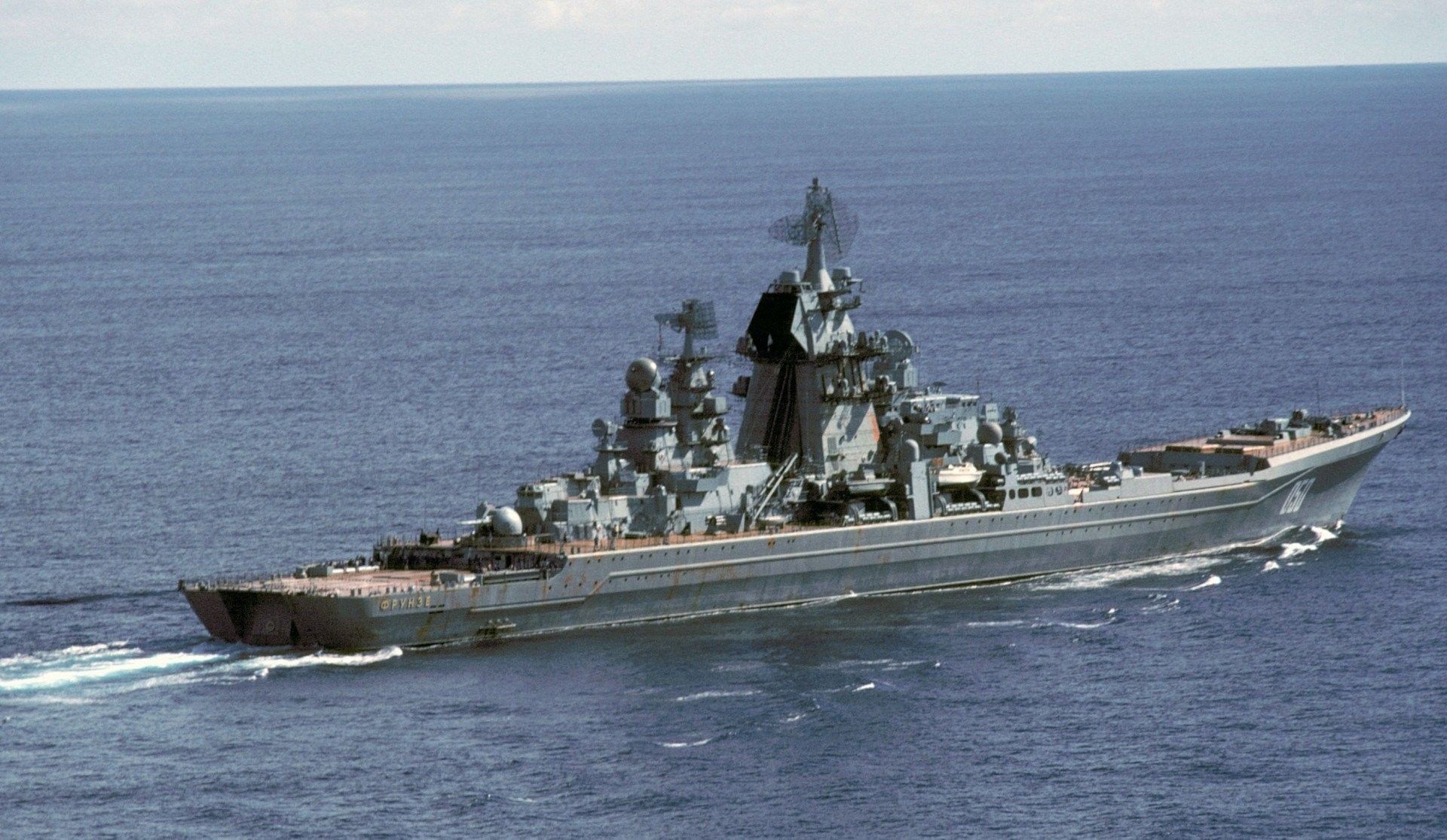
I do not like the word “hybrid”: it makes what is happening sound softer than it is. These are attacks on factories and railways, arson, murders, bribery, attempts to destabilise entire countries. After a ceasefire in Ukraine, the Kremlin will have both people and money freed up for them. The Kremlin increasingly looks for people to carry out these attacks via Telegram, for small sums, including among Russian speakers. So Russian-speaking people in Europe can become part of the defence: we read the same channels and understand the language in which they recruit.

How much influence does Russian society still have over the future direction of the country? Do you see any signs that public attitudes towards the war, mobilisation or the economic situation could eventually translate into political pressure?
It still has influence, more than it seems from the outside, although not through elections. The best example is mobilisation. In autumn 2022, after the “partial” mobilisation, hundreds of thousands of people left the country. Since then the Kremlin has not dared to launch a second wave and keeps denying the rumours about it. Instead of conscription there are contracts and huge payments, in some regions up to 3 million roubles for signing.
But this resource is running out too. This year about a fifth fewer contracts are being signed than a year ago. The Kremlin is still paying the money, there are fewer and fewer volunteers, and yet it still does not announce mobilisation. So what stops it is the possible reaction of society.
Independent media and popular channels have spent years explaining to people how to avoid mobilisation, where to get legal help and what awaits them at the front. Society itself does not want to be forcibly conscripted, and the opposition supports and amplifies this mood: one works together with the other. Together, to a large extent, they prevented a second mobilisation.
The Kremlin takes this into account. It has a good system for monitoring public sentiment: closed polls, social media monitoring, reports from the regions. It also watches the economy: prices, wages, business. That is why everything unpleasant is done gradually, in small steps, so that there is never a point where discontent turns into protest. Public sentiment is a real constraint on the authorities. It can be turned into political pressure, but that requires organisation, which does not exist at the moment.
Looking beyond the war, what should Western governments understand about a possible post-Putin Russia? What mistakes should Europe and the United States avoid if a political transition eventually begins?
First, respond as firmly as possible. After Georgia in 2008 and Crimea in 2014, Europe responded cautiously and agreed to build Nord Stream 2. The Kremlin understood this as permission to go further. Every attack must get a lightning-fast response.
Turkey is a good example. In November 2015, it shot down a Russian Su-24 bomber that had violated the Turkish border. Putin promised that Turkey “would not get away with tomatoes”, and in the end it all came down to tomatoes: a ban on Turkish vegetables, charter flights and construction work. Six months later most of the restrictions were lifted. Putin backs down when he sees strength.
Second, strengthen borders and your own independence: military, energy, information. Even if power changes in Moscow, Europe must be strong on its own.
At the same time, it would be a mistake to isolate Russia. It is impossible anyway. Russia is historically close to Europe and sees it as the source of its culture and civilisation. If after Putin Europe keeps its borders closed and its sanctions permanent, the next dictator will easily explain to people that the West wanted not change in Russia but its humiliation. Europe has two German lessons: isolation and humiliation after 1918 bred revanchism, while bringing Germany into Europe after 1945, together with denazification, produced democracy.
The bridge to such a Russia will be the people whom the war pushed out into Europe. Hundreds of thousands of Russians work here, pay taxes and send their children to European schools. Those of them who are helping Europe defend itself today will tomorrow be the partners it understands best in Moscow. Those who return should be people for whom independent courts, a free press and respect for neighbours’ borders have become normal life: they have seen it with their own eyes.
Relations with a future Russia should be built on mutually beneficial terms, but the benefits must come in exchange for real change. And total lustration must become a condition for that future. The people who built this system and waged this war must not remain in power. A person from Putin’s circle who promises peace and a market economy will not mean a transition if the courts, the security services and the propaganda stay the same. Nothing will change that way.
And one last thing. Regimes like this seem eternal until their very last day. Assad’s regime in Syria collapsed in twelve days, and Prigozhin’s mutiny in 2023 showed how few people Putin has who are ready to fight for him. Russia after Putin is closer than it seems. And our common task is not to let it remain the same as it was under Putin.
Ivan Zhdanov is a Russian lawyer and politician based in Vilnius. He leads the Progress movement, which brings together Russian anti-war media, bloggers and civic projects, and hosts a popular YouTube show about Russian politics. He is a former director of the Anti-Corruption Foundation and one of Alexei Navalny’s closest associates.


