












- ANALIZA
- WIADOMOŚCI
The U.S.–Iran memorandum is a ceasefire, not peace


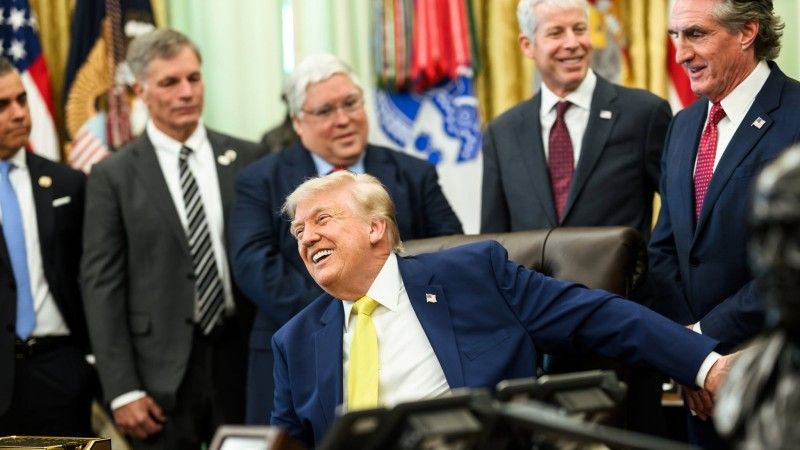
The planned memorandum between the United States and Iran does not end the conflict in the Middle East. It creates a 60-day window for negotiations, temporarily freezes military escalation and offers Tehran substantial economic concessions. The document is politically ambitious, but legally and diplomatically weak. It may lead to a final agreement, but it may also collapse almost immediately.
The memorandum was signed at the Palace of Versailles in France. Although it is presented as the beginning of a peace process, its status remains that of a Memorandum of Understanding. This is a much weaker instrument than a formal peace treaty. In practice, it opens a limited period for negotiating a binding agreement rather than ending the conflict itself.
The first point already shows how fragile the document is. The United States, Iran and their allies are expected to announce an immediate and lasting end to military operations on all fronts, including Lebanon. They are also to renounce the use or threat of force and guarantee Lebanon’s sovereignty and territorial integrity. The problem is that Israel is not a party to the memorandum. Its implementation therefore depends on Washington restraining Benjamin Netanyahu and Tehran controlling Hezbollah.
This is uncertain on both sides. The Lebanese government is not the main military actor in the fighting in southern Lebanon, while Hezbollah and the Israel Defense Forces have turned the area into a separate battlefield. Netanyahu also has domestic political reasons to continue military operations. His governing coalition depends on forces that see territorial expansion and continued war as necessary for their political survival. Renewed fighting in Lebanon could therefore destroy the memorandum before the ink has dried.
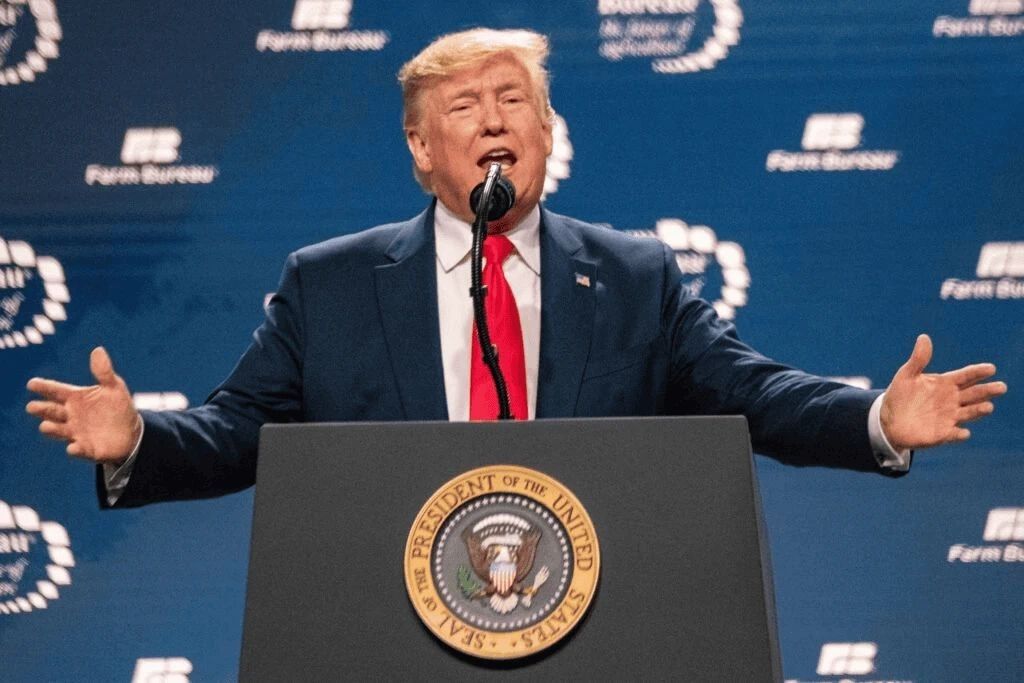
The second point commits Washington and Tehran to respecting each other’s sovereignty and refraining from interference in internal affairs. In practical terms, this means that the United States would suspend any attempt to pursue political change in Tehran. That is an important concession, especially because Iran may face a serious internal crisis once the fighting stops and the economic consequences of the war become fully visible.
Iran entered the conflict with major structural economic problems. The rial had already weakened, inflation had increased and the economy was under pressure before the war. Military confrontation temporarily concealed some of these weaknesses. A real post-war period could expose them again through factory closures, unemployment, strikes and social unrest. If the Islamic Revolutionary Guard Corps has consolidated power, its answer may be repression rather than reform.
The maritime provisions are equally important. The United States would begin lifting the naval blockade immediately and remove all restrictions within 30 days. Maritime traffic would gradually return to pre-war levels. Washington would also withdraw its military forces from around Iran within 30 days of a final agreement.
Iran, in return, would guarantee free and secure commercial navigation between the Persian Gulf and the Gulf of Oman for the 60-day negotiating period. Full navigation is expected to resume within 30 days after the removal of technical, military and mine-related obstacles. Tehran would also negotiate with Oman on the future management and maritime services of the Strait of Hormuz under international law.
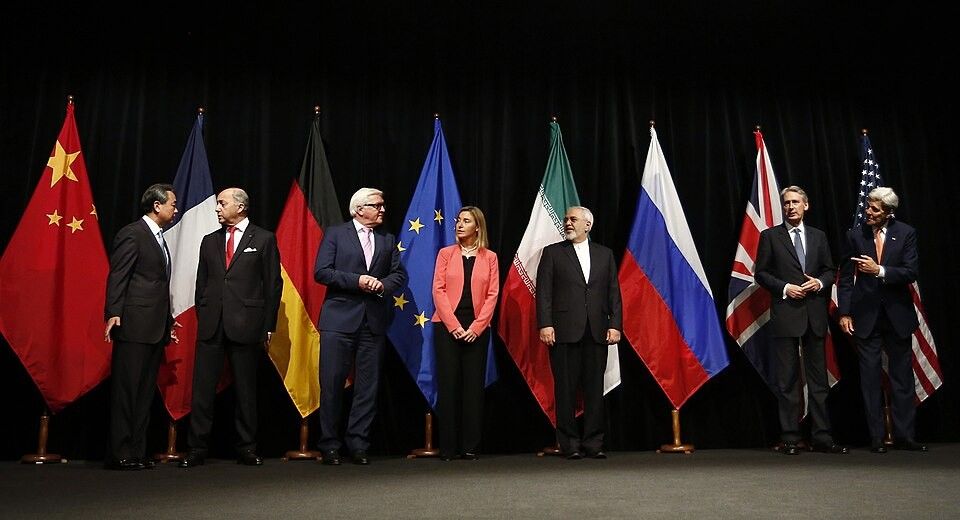
The economic package is enormous. The United States and its regional partners would establish a reconstruction and development programme for Iran worth at least $300 billion. The implementation mechanism would be negotiated within 60 days, while Washington would provide the licences and approvals necessary for financial transactions linked to the programme.
This offer is politically difficult for the United States. If the money were simply transferred to Iran, it could look like wartime compensation paid by the side that officially claims military success. A more realistic mechanism would be a joint investment fund, perhaps similar in logic to arrangements linking foreign capital with access to reconstruction projects and strategic sectors. American companies could then enter the Iranian market while Washington controlled part of the financial architecture.
The sanctions provisions go even further. The United States would seek the termination of all sanctions imposed on Iran, including those linked to UN Security Council resolutions, the International Atomic Energy Agency’s Board of Governors and American primary and secondary sanctions. The final schedule would be included in the future agreement.
Before that happens, Washington would immediately issue waivers and licences allowing Iran to export oil, petrochemicals and related products. Banking, insurance, transport and other services connected with these exports would also be permitted. The United States would additionally release restricted and frozen Iranian funds and assets, with the details negotiated during the 60-day period.

Iran would receive these benefits before a final, binding agreement is reached. This is one of the memorandum’s most controversial elements. Tehran would gain access to trade, liquidity and strategic commodity exports at the beginning of the process, while many of its most important commitments would remain subject to future negotiations.
The nuclear section is therefore decisive. Iran would reaffirm that it will neither manufacture nor acquire nuclear weapons. Accumulated enriched material would be addressed through an agreed mechanism, at minimum by dilution inside Iran under the supervision of the International Atomic Energy Agency. The broader questions of uranium enrichment and the future of the nuclear programme would still have to be negotiated.
Until the final agreement is concluded, both sides would maintain the current status quo. Iran would not expand its nuclear programme. The United States would not impose new sanctions and would not deploy additional military forces to the region. This freezes escalation, but it does not resolve the nuclear issue.
The memorandum also establishes an implementation mechanism to monitor compliance. Once the ceasefire, maritime provisions, oil exports and asset releases begin, the parties would move to negotiations on the remaining elements of the final settlement. The final agreement is expected to be endorsed by a binding resolution of the UN Security Council.
If Iran signs, it will show that both sides are tired of the conflict. Iran has suffered major military and economic losses. The United States, despite its operational advantage, has paid a political and reputational price. Washington may have won the air and maritime phase of the confrontation, but its strategic communication failed to translate military success into an equally clear political victory.

Iran, by contrast, has relied on a much simpler narrative: the government survived, the region was destabilised and the state did not capitulate. This allows Tehran to present endurance as victory despite the destruction of military assets, senior command structures and strategic infrastructure.
The proposed $300 billion package may therefore be part of a wider American calculation. If regime change failed, Washington may try to influence post-war Iran through investment, reconstruction and economic access. The logic would be clear: sanctions are lifted, but Western companies and American financial structures should benefit from the opening.
The main risk is that the Islamic Revolutionary Guard Corps remains the real centre of power. If external assistance is used to stabilise the regime without changing its internal methods, Iran may receive economic support while continuing repression at home and destabilising activity abroad. The United States is unlikely to provide the full reconstruction package to a partner that still relies on violence, coercion and regional proxies.
Internal instability could become another threat to the agreement. A wave of strikes, factory closures or economic collapse could produce mass repression, political violence and migration pressure. Tehran could seek to externalise that pressure by encouraging emigration and shifting part of the social burden towards neighbouring states and Europe.

The memorandum therefore offers Iran an economic alternative, but not a guarantee of political transformation. It gives Washington a chance to freeze the conflict and shape the next phase, but it also exposes the United States to the risk of financing a system that has not changed.
Everything will depend on implementation during the first days and weeks. Fighting in Lebanon, an Israeli strike, a Hezbollah operation, renewed nuclear activity, domestic repression in Iran or a failure to release assets could destroy the process. The document opens a path to negotiations, but it does not create peace. It creates a temporary balance between military exhaustion, political pressure and economic calculation.


