











- WIADOMOŚCI
- ANALIZA
France prepares a division to defend Europe. 25,000 troops and 9,000 vehicles


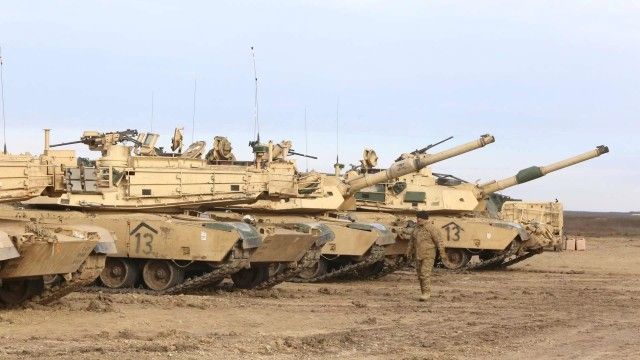
France aims to achieve the capability to deploy a full division within just 30 days in 2027. This means 25,000 troops and 9,000 vehicles. The next objective is to command a multinational army corps by 2030. Meanwhile, France is increasing its military involvement in Poland, Romania, Estonia and Ukraine. Paris is no longer limiting itself to declarations about European defence.
According to French National Assembly documents dated 22 October 2026, France is preparing a division capable of conducting high-intensity warfare under the DIV27 programme. In 2024, the target was 19,000 troops and 7,000 vehicles. Taking into account additional support elements and allied participation, the figures have now increased to 25,000 military personnel and 9,000 vehicles.
The 1st Division, based in Besançon and commanded by General Bruno Helluy, is responsible for preparing the formation. It is expected to comprise four or five brigades, including foreign units. Its capabilities will be certified in late 2027 or early 2028 during Exercise Citadelle 28.
Crucially, France is also developing its own logistics, maintenance, engineering and medical capabilities. The French want not only to deploy a large military formation but also to sustain it without being entirely dependent on American support.
From battalion to army corps
In February 2022, France began deploying troops to Romania under Mission AIGLE. In 2025, during Exercise Dacian Fall, the French tested their ability to expand the force to brigade level. Approximately 5,000 troops participated in the exercise, including 2,800 French personnel.
In November 2026, Paris deployed approximately 1,100 military personnel to Poland as part of Exercise Coalition 26.2. In 2027, France will be responsible for commanding and supporting a multinational division in the Balkans during NATO’s Exercise Steadfast Dart.

Between July 2026 and June 2027, France is also responsible for three components of NATO’s Allied Reaction Force: land, logistics, and chemical, biological, radiological and nuclear (CBRN) defence. For the land component alone, this means maintaining 4,500 troops at readiness. Within just a few years, France has progressed from deploying a battalion on NATO’s eastern flank to preparing to command a multinational army corps. It cannot be underestimated.
French troops in Poland and Ukraine
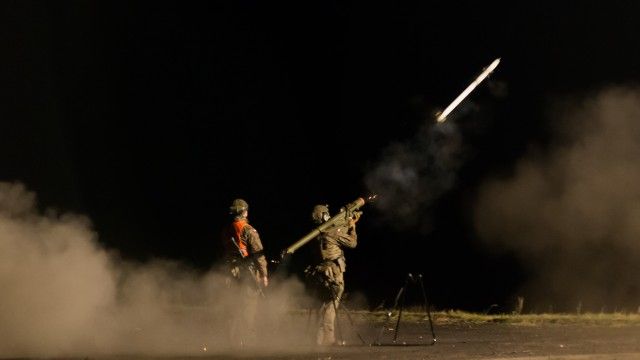
From 1 January 2027, France will contribute to the air defence of the Rzeszów-Jasionka Airport area. Sweden will deploy its Patriot systems there beforehand and is also preparing to continue its mission during the first half of 2027.
Interestingly, the latest French parliamentary documents also indicate that France maintained approximately 375 military personnel in Poland under Mission GERFAUT. Between February 2023 and August 2026, the French trained approximately 9,000 Ukrainian troops in Poland and another 13,000 in France.
See also 

As I reported in my recent analyses for Defence24, according to RFI andLe Monde, French military personnel are also operating directly on Ukrainian territory. They are training Ukrainian troops, assisting with equipment maintenance and gaining experience from contemporary warfare against Russia. Meanwhile, Paris is preparing to participate in a much larger Coalition of the Willing mission following a ceasefire.
France also maintains a military presence in Estonia, where approximately 350 French troops are stationed under Mission LYNX. Furthermore, French aircraft contribute to the protection of NATO airspace, while Paris is developing nuclear deterrence cooperation with ten European allies.
This is the France (Macron?) Europe needs
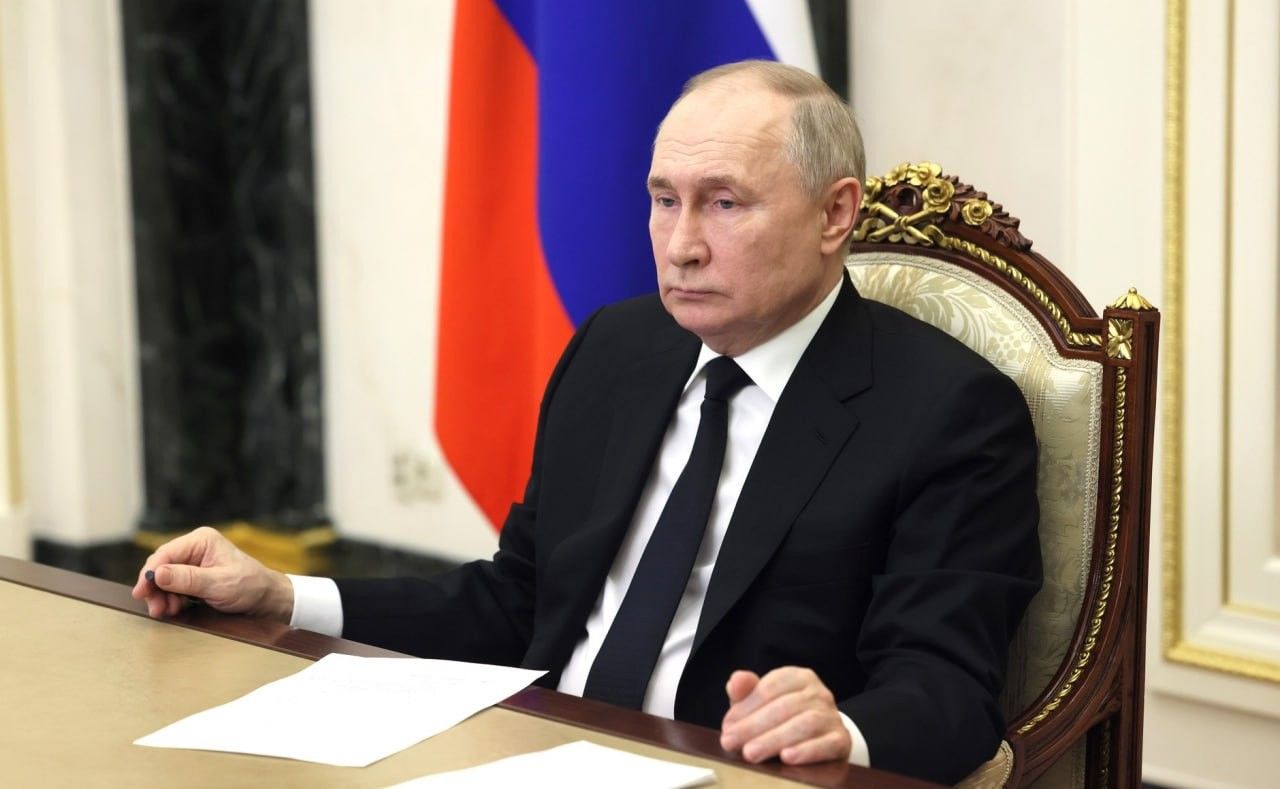
Back in 2022, Emmanuel Macron spoke about the need to maintain dialogue with Moscow and avoid humiliating Russia. Today, France is training Ukrainian troops, deploying forces on NATO’s eastern flank, preparing to protect Polish airspace and conducting nuclear deterrence exercises with an increasing number of countries.

France is currently doing exactly what Europe needs amid uncertainty surrounding future American involvement. It is developing its own military capabilities while taking responsibility for the security of its allies.
France still faces considerable challenges, particularly in weapons and ammunition production and addressing equipment shortages within its land forces. Nevertheless, Paris is moving in the right direction.
Hopefully, France will maintain this momentum after the presidential transition in May 2027. Europe needs precisely this kind of French commitment. Not just in Paris and Brussels, but above all in Poland, Romania, the Baltic states and Ukraine.