












- WIADOMOŚCI
- OPINIA
- KOMENTARZ
- ANALIZA
Prelude to escalation. Russia strikes targets near Polish borders

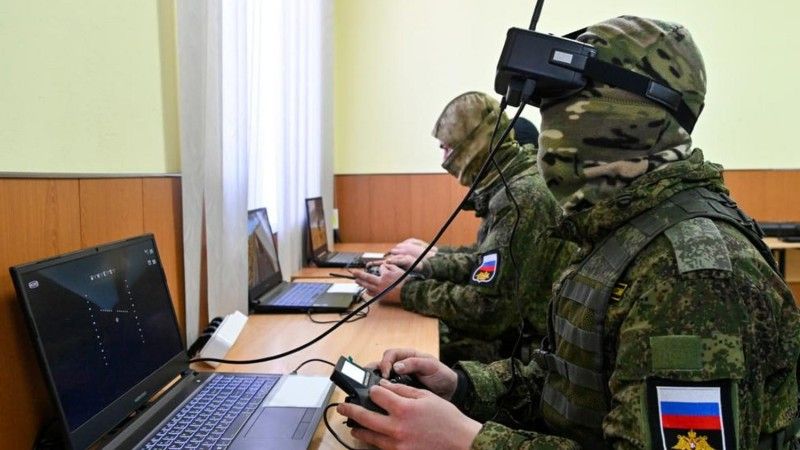
Russia intends to defeat Ukraine through military means, with one element of its strategy being the reinforcement of its actions by exerting pressure on other European nations. Consequently, Poland can no longer view total defence as a future framework to be built, but as one whose underlying principles are being directly tested. We are thus moving toward a shift, albeit one with no margin for error and executed in direct contact with a visible adversary.
At the turn of 2026/2027, the Russians may genuinely seek a breakthrough on the front line while simultaneously attempting to dismantle the strategic foundations of Ukraine’s functioning as a state. First and foremost, the potential for acquiring new military successes becomes apparent amid deteriorating weather conditions in key areas of the Donbas front. This could involve continuing a war of attrition, but under conditions where the Ukrainian side operates its uncrewed systems less effectively. This may yield tactical advantages that could translate into an operational breakthrough. It must be borne in mind that, despite numerous media scenarios, we are not witnessing a collapse of the Russian military recruitment system.
Naturally, the quality, morale, and training level of the acquired personnel remain open to debate. However, given the conditions of a non-democratic state with such a vast recruit pool (an immense disparity relative to the invaded nation), and given the selection of a specific model for conducting military operations (attrition-based, prioritising industrial warfare), these problems do not necessarily impede further offensive action. This is especially true given that the opposing side—Ukraine—must increasingly confront its own challenges in armed forces personnel levels and securing necessary replacements.

A more cautious approach to Russia... Part 2
Similarly, the Russian system has not broken down in producing the materiel required to sustain further military aggression, primarily missiles and other ammunition. It is worth noting that throughout the full-scale campaign initiated in 2022, narratives repeatedly predicted a total Russian collapse specifically due to material and equipment shortages. However, the Russian defence industry shows signs of adapting to a situation that demands maintaining production capacities scaled to a specific model of warfare. This is happening despite widespread corruption within the Russian system.
Furthermore, it cannot be denied that the Russians have successfully identified avenues allowing them to offset certain technological advantages resulting from military aid to Ukraine and the development of domestic Ukrainian weapons systems. This is evident in the evolution of uncrewed aerial systems, as well as in the continued expansion of capabilities within the electromagnetic spectrum.
However, from the perspective of European and Polish security, the diagnosis of Russian actions within the strategic domain is far more dangerous. We are referring to a planned strike against the foundational operations of the Ukrainian state, alongside highly realistic attempts to pressure nations providing military assistance.

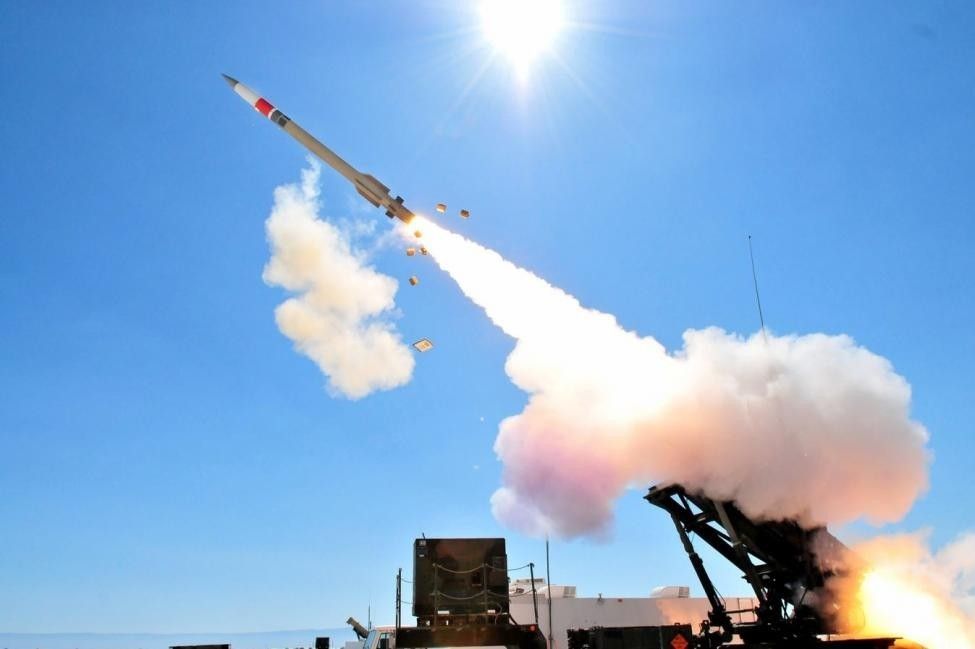
Notably, the Russians are employing diverse formats of aerial attack in this context, while broadening the spectrum of their targets. From earlier phases of the campaign, we know the primary objective remains destroying the state’s energy system, district heating, and other critical infrastructure nationwide. This scenario is realistic for the remainder of this year and the beginning of the next, as a progressive drain on air defence—and particularly missile defence—resources is observable. In the latter case, the situation is exacerbated not only by the consumption of effectors within Ukraine itself, but also by the continuation of military operations in the Middle East.
Ukraine's overburdened air defence
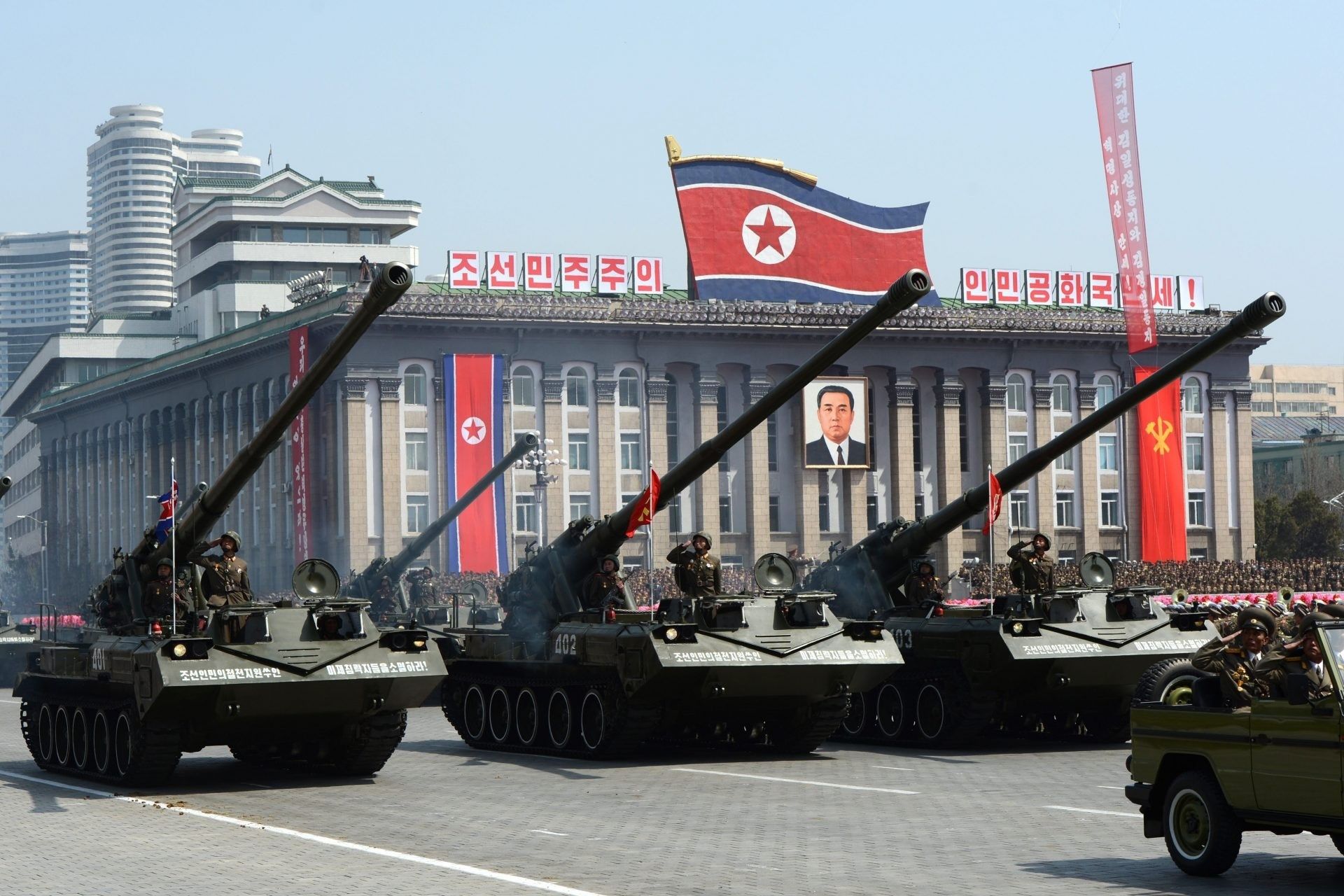
To put it bluntly, Ukrainian cities in particular cannot maintain their previous level of air defence. Furthermore, Russia may employ assets in these attacks that have been appropriately modified based on operational experience to date. This is evidenced by new employment methods and new technological solutions within uncrewed aerial systems (propulsion units, communication suites, etc.). Nor should one discount the potential mass deployment of North Korean-origin missile systems, supplementing Russian inventories to generate a form of critical mass regarding a concentrated attack campaign in the coming months.
At this juncture, it should be pointed out that while Ukraine can inflict disruptions on Russia’s fuel sector and execute impressive strikes against various targets across nearly the whole of Russia, this does not equate to the capacity to paralyse a vastly larger nation fully. It is therefore necessary to adopt a balanced approach to media reports, maintaining visibility over the actual resources and capabilities of both warring states. We have been reminded on numerous occasions of Russia’s fundamentally different threshold for acceptable losses, including irreversible personnel casualties, not to mention its posture toward infrastructure damage. Therefore, an essential element of defending against Russia must be accepting a realistic analysis of the adversary, rather than relying on constructed models of perception based on our own acceptable standards of rationality.
The Russians are already expanding their strikes to encompass civilian targets, returning to a posture aimed at intimidating the civilian population, paralysing industrial operations, and thereby constraining commercial activity. Along this trajectory, we observe not only point-target attacks on urban centres, but also a potentially rising threat to rail and road networks—especially given Ukraine’s heavy reliance on them because of its geographic position and the integration of its operations with the Western part of the continent.

Aviation transport remains restricted by wartime conditions, while maritime transport faces continuous Russian pressure in the Black Sea. This is a maritime theatre where both sides operate and can paralyse maritime transport, particularly for civilian vessels. Another critical aspect of our preliminary analysis is the ongoing disparity in rail and road communication links toward the Polish and Romanian vectors, which increases the likelihood of Russian strikes near our border.
Signalling and beyond
The recent high-profile strikes near the Polish border, including those targeting rail transport, should therefore not be viewed as a surprise. Beyond signalling political posture, this demonstrates force and shows the opposing side’s understanding of the strategic importance of rail junctions for Ukraine and its connectivity with other nations. Furthermore, Russia could very likely couple this with more intensive sabotage and subversion operations beyond Ukraine’s borders. It has demonstrated such capabilities and is now prepared to employ them not as isolated incidents, but on a more systemic level. In this domain, efforts have been underway for several years to streamline the recruitment of individuals for sabotage and subversion, alongside gathering lessons learned regarding counter-intelligence countermeasures deployed by other states.
Consequently, consideration must be given to a scenario involving an attempt to synchronise into a single, cohesive campaign of missile and drone strikes targeting the aforementioned civilian and state-wide infrastructure within Ukraine, while simultaneously supporting them through a sabotage and subversion campaign across NATO’s entire eastern flank (including Poland). In the most pessimistic variation of this scenario, more overt displays of Russian force are also possible, for instance in Latvia or Estonia. Moreover, in the case of Poland, we are already witnessing the testing of large-scale uncrewed aerial system incursions, as well as the appearance of cruise missiles. We should anticipate a multiplication of such incidents, including the potential for them to occur on a new scale and with a new level of severity (the actual striking of specific targets).
An impending campaign of sabotage and subversion
Another aspect that should be correlated with recent statements from Polish authorities is the acknowledgment that new and more numerous acts of sabotage and subversion may materialise, particularly if the Russian side initiates conventional operations in the Donbas on a larger scale than observed to date. Stated plainly, at this stage of the conflict, securing additional tranches of military assistance may prove increasingly difficult, a reality understood by the Russian side. Hence, we are likely to see a willingness to accept risk regarding incidents involving ammunition infrastructure throughout Europe, led by Germany. We must accept that as the scale of frontline combat escalates, the risk of explosions, arson, and even strikes using uncrewed systems will increase proportionately.
This in no way implies an inability to minimise risk on the part of Poland and other NATO member states. This refers, naturally, to multiple layers of our national and allied response to visible Russian escalation.
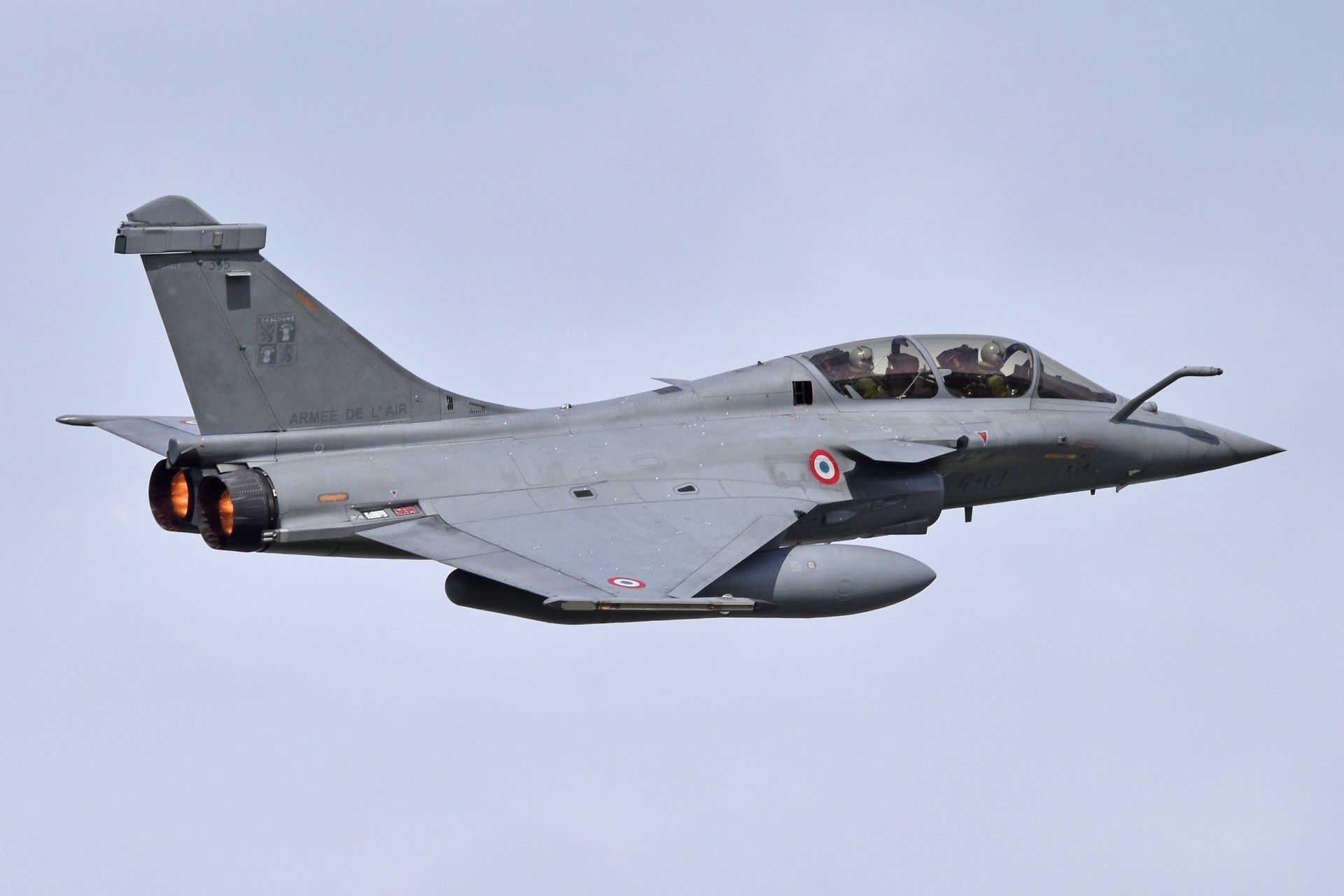
The first domain involves the continued execution of air missions across NATO’s entire eastern flank, but framed within their allied dimension. Plainly speaking, no single nation can, under such conditions, assume the full burden of securing various types of aerial activity over such an extended period. Given the finite number of air assets, as well as the strain on aircrews and ground personnel—not to mention the diversion from training and defence preparations—one must not overlook the significance of deploying specialised aircraft from our allies, supporting not only Poland but also, for instance, the Baltic states. This narrative receives insufficient coverage within the information domain, yet it remains critical to understanding the vital role allied actions play in the current environment.
Demonstration of force
The second component of the response involves an independent demonstration of force, manifested through increased scale and frequency of upcoming military exercises and manoeuvres. Poland’s and the Alliance’s reaction to the recent iteration of the Russian exercise codenamed Zapad should serve as a useful lesson. At that time, the strategic narrative of those manoeuvres was significantly neutralised, while NATO’s deterrence capabilities were effectively demonstrated to the opposing side. Today, much depends on our partners from Romania to Norway, as Russia must not be allowed to gain localised advantages along specific sectors of the eastern flank. Thus, if events transpire near the Polish or Latvian borders, NATO should be encouraged to conduct exercises in entirely different operational theatres, including through non-cyclical modalities. To speak bluntly, this is about independently setting the required level of force commitment at the threshold of a display of strength.

The third element, reflected in broader analytical works published in both Defence24 and Infosecurity24, is enhancing our counter-intelligence capabilities. This requires a systemic approach, ranging from legal frameworks to the allocation of necessary financial resources. We must assume counter-intelligence services will be heavily overburdened by Russian activity in the coming days and months, analogous to the operational strain on our air force—with the distinct difference that counter-intelligence cannot rely on aggregating forces through allied deployments. While this does not rule out intelligence sharing or a proactive role in allied intelligence operations, the front line will ultimately rest with national counter-intelligence forces. Strikes against rail or road transport require hostile activity in terms of surveillance, analysis, and technical means. If Russia intends to scale up these actions, it will naturally intensify intelligence pressure along the Ukrainian border and within Poland.
The fourth domain involves the well-known, yet highly volatile in Poland, activity within the info-cognitive domain. Despite—or perhaps precisely because of—its continuous definition, redefinition, and coverage in public discourse, it remains uniquely vulnerable to hostile operations. We are consistently placed in the role of a reactive actor, which introduces numerous ambiguities during sub-threshold operations. The aforementioned example of a strategic response in the info-cognitive domain during the Zapad manoeuvres should remind us that we must now take similar measures, but on an expanded scale.

Investing in capabilities here and now
The fifth aspect concerns accelerating efforts to saturate our armed forces with interim bridge solutions available on the commercial market. At the recent MSPO 2026 defence exhibition, considerable attention focused on capabilities we must build here and now. Naturally, most of these discussions centred on uncrewed systems and counter-drone capabilities, but the problem is far broader. Soldiers and law enforcement officers require an immediate, step-change acquisition of new assets for electronic warfare, ISR (Intelligence, Surveillance, and Reconnaissance) missions, situational awareness enhancement, and the C4 complex (Command, Control, Communications, Computers).
We will effectively be subject to the fallout of a war of attrition. The key difference relative to Ukraine is that in 99 percent of cases, this will likely not involve kinetic engagement at the point of contact with the enemy. These actions relate more to tying down our forces in border-security operations, requiring heightened patrol activity, and potentially affecting unit operations and infrastructure due to the threat or execution of sabotage and subversion. Technological capabilities allow us to minimise the risk of overstretching our forces and assets in the coming months.

The sixth thread involves executing a series of large- and small-scale exercises involving the civilian population. We are addressing threats from aerial attack, but also the need to raise awareness across other security domains. Siloed and non-mass tools will no longer prove effective and may even risk generating widespread panic and chaos during subsequent incidents. This cannot be accomplished during the actual unfolding of specific events and crises. While initiatives such as the Civil Protection and Civil Defence Academy of the Ministry of the Interior and Administration (MSWiA) deserve recognition, we should consider launching large-scale exercises modelled on Asian or Scandinavian standards and proportions.
In conclusion, we must agree that, as a continent, we are entering the next phase of the largest armed conflict since 1945. Russia, driven not merely by politico-ideological factors but by pragmatic military necessity, may attempt an escalation reaching beyond the borders of Ukraine itself. It must therefore be accepted that every intensification of missile and drone strikes against Ukrainian targets carries an increased probability of generating hazardous security situations for us, including within Poland. Crucially, the Polish Armed Forces play a pivotal role in these deterrence and defence efforts, underscoring the absolute necessity of maintaining high levels of investment in their development and modernisation. At the same time, the need for a system that complements the military becomes increasingly clear—from intelligence and counter-intelligence services to the full execution of civil protection and civil defence measures. Russia is testing what total defence means in practice for states supporting Ukraine, actively seeking to exploit every vulnerability across individual nations.


