


- WIADOMOŚCI
- ANALIZA
Switzerland will pay more for fewer F-35s. Europe continues buying American fighters

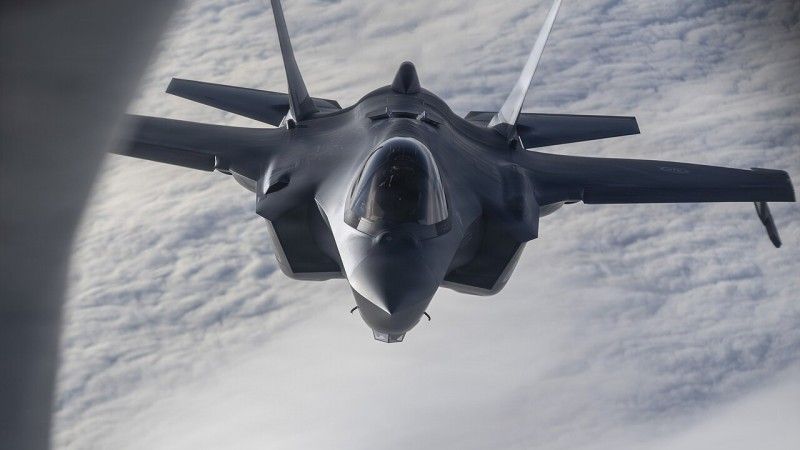
Photo. U.S. Air Force / Wikimedia Commons / Public Domain
Switzerland has officially acknowledged serious mistakes in its procurement of American F-35 fighter jets. Instead of the originally planned 36 aircraft, Bern is now likely to receive only 30, despite increasing its budget by approximately $480 million. Meanwhile, other European countries continue expanding their cooperation with Lockheed Martin, while Portugal is once again seriously considering American fighters instead of European alternatives.
On 23 October, the Swiss Federal Council published its response to a parliamentary investigation into the F-35A procurement programme. The government accepted six of the seven recommendations in full and one partially, acknowledging shortcomings in contract negotiations and legal oversight. The central problem concerned the price, which Swiss authorities had previously presented as fixed. However, the final contractual arrangements did not provide an unconditional price guarantee covering all 36 aircraft.
The original procurement budget was approximately $7.35 billion for 36 F-35A fighters. Parliament subsequently approved an additional $480 million, increasing the available funding to approximately $7.83 billion. Nevertheless, current estimates indicate that this amount may only cover around 30 aircraft. Maintaining the original order would require approximately $1.34 billion in additional funding above the initial budget. Switzerland could therefore lose almost 17% of its planned fighter fleet despite spending more money. Importantly, the potential reduction was announced in March 2026. The October development concerns the government’s formal acknowledgement of shortcomings in the procurement process.
The military consequences may be more significant than the financial dispute itself. Swiss defence experts have previously estimated that the country would require between 55 and 70 modern combat aircraft to meet its longer-term operational requirements. Yet Bern is now expecting approximately 30 F-35As, while simultaneously facing delays in deliveries of American Patriot air defence systems. Interestingly, despite these contractual and financial difficulties, Switzerland has not abandoned the F-35 programme.
Europe criticises Washington but continues buying American fighters
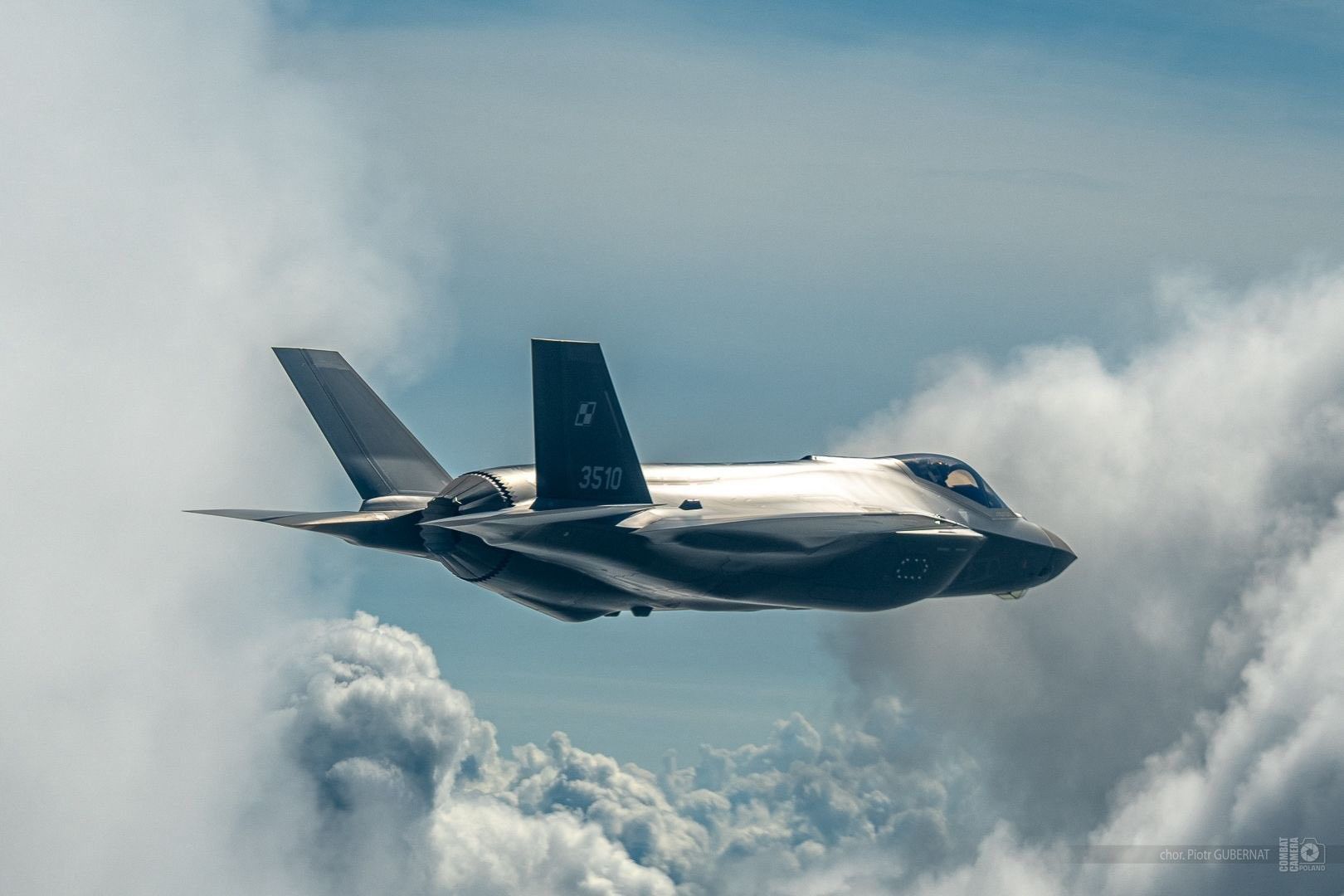
On 27 October, Poland received its tenth F-35A Husarz, which arrived at the 32nd Tactical Air Base in Łask. Warsaw has ordered 32 aircraft under a contract worth approximately $4.6 billion, including training and logistics support. Finland, which purchased 64 F-35As, received its first two aircraft on national territory on 18 September and officially presented them at Rovaniemi on 1 October. Another two fighters arrived on 23 October. Finland therefore had four F-35s on its own territory by late October, while additional aircraft were being used for training in the United States.
Denmark provides another interesting example. Despite serious political tensions with Washington over Greenland, Copenhagen remains committed to the F-35 programme. In October 2025, Denmark decided to expand its planned fleet from 27 to 43 aircraft, ordering another 16 fighters. Throughout 2026, Denmark and the United States held difficult discussions concerning Greenland’s security, culminating in a new agreement in September. The situation demonstrates that even significant political disagreements do not necessarily undermine long-term defence procurement cooperation.

Portugal is another country worth watching. In July 2026, France’s Dassault Aviation submitted an official offer to Lisbon involving Rafale fighters, accompanied by proposals for industrial cooperation with Portuguese companies. However, on 8 October, Portuguese Foreign Minister Paulo Rangel confirmed that the country was also seriously considering the American F-35. Eurofighter Typhoon and Sweden’s Gripen E remain among the alternatives. Portugal has not yet made its final decision, but Lockheed Martin remains a serious contender to replace the country’s 28 F-16 fighters. Once again, the American defence industry is competing directly with European manufacturers for a major procurement programme.
American F-35s in Europe, Russian Sukhois in Africa
The situation outside Europe is equally interesting. During the Russia–Africa Summit in Moscow, Ethiopian Prime Minister Abiy Ahmed announced on 28 October that his country was receiving Russian Su-35 fighters and was considering the acquisition of S-400 air defence systems. Algeria is also developing its fleet of Russian aircraft, including the Su-30, Su-35 and Su-57. Moscow therefore continues to find customers for its military equipment despite the war against Ukraine and constraints affecting its defence industry. Of course, the Su-35 is not comparable to the F-35 in terms of stealth technology and the integration of advanced sensors and battlefield information systems. Nevertheless, Russian aircraft remain an important military and political option for several African countries.

Strategic partnerships with the United States are expensive, but European countries continue choosing American military equipment. And they are doing so under the current administration of President Donald Trump, at a time when discussions about reducing the American military presence in Europe remain widespread. On the one hand, European governments are developing their own defence programmes and repeatedly emphasising the need for greater strategic autonomy. On the other, they continue ordering American fighter jets, missiles and air defence systems.
This creates an interesting situation. The United States is discussing a potential reduction of its military commitments in Europe, while American defence manufacturers are securing contracts that will bind European armed forces to US technology, maintenance systems and supply chains for decades. European initiatives aimed at strengthening the continent’s defence industry have not stopped this process.
Europe wants greater „strategic autonomy”, but when it comes to modern combat aviation, many countries are still choosing the Americans. And Washington certainly has no intention of abandoning the European arms market.


