











- WIADOMOŚCI
- ANALIZA
Russian intelligence in Cyprus. Two diplomats had to leave the island

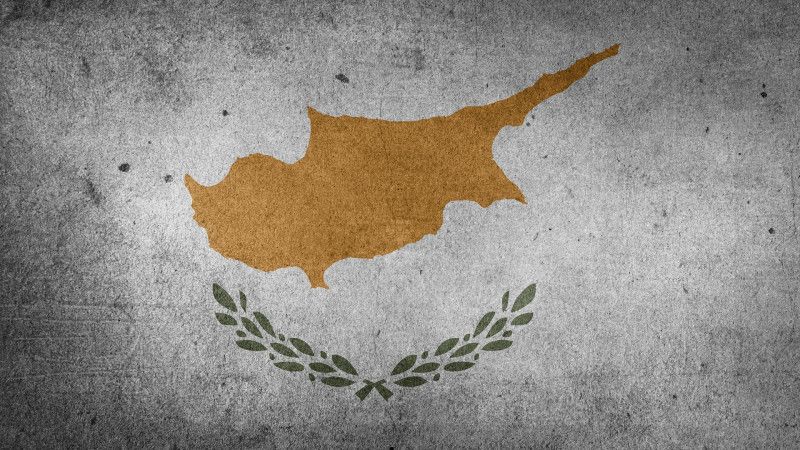
The Cyprus Intelligence Service (KYP) monitored two Russian diplomats suspected of working for the intelligence services for at least two months. According to Cypriot media, the Russians were looking for people who could give them access to confidential information about the security of Cyprus and the European Union. They were also interested in technologies covered by EU sanctions. Both left the island at the request of the authorities in Nicosia.
The story was first reported on 20 November 2026 by Cypriot television channel ANT1 Live. According to its report, both diplomats left Cyprus at the beginning of the week, before news of the operation reached the media. The Cyprus Intelligence Service (KYP) suspected that the Russians were working for the intelligence services under diplomatic cover. On the same day, ANT1 reported that President Nikos Christodoulides had been kept informed of the operation as it unfolded. The following day, AlphaNews reported the same information, citing sources at the presidential palace.
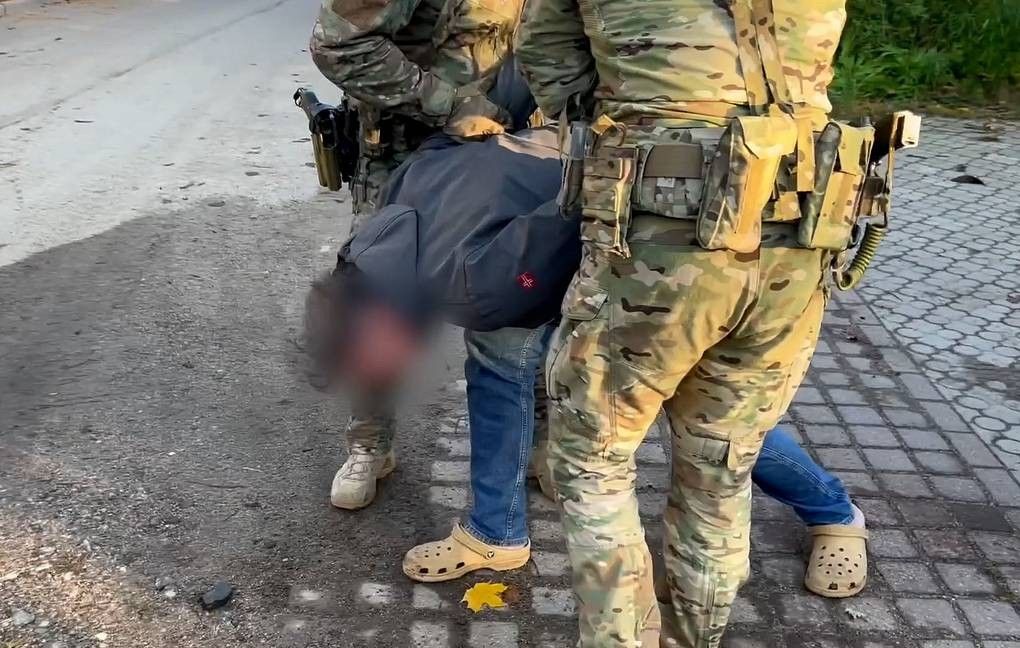
The Cypriot news site INK reported that close surveillance had lasted for at least two months. According to its findings, KYP verified within a few days the information that had drawn its attention to the two Russians. A source close to the case told the site that the authorities knew whom the diplomats had met, what they wanted from those people and what the results of their activities had been. According to this source, the Russians did not achieve what they had intended. INK did not say what information they may nevertheless have obtained.
ANT1 described the results of the surveillance. According to the channel, KYP reconstructed the diplomats’ routes and meetings in Nicosia and two other districts. The Russians were in contact with Cypriot citizens who, through their official duties, had access to confidential information. ANT1 reported that the diplomats were looking to recruit people from among them. Available reports have not named those who attended the meetings or said whether any of them agreed to cooperate.
Information on EU security and technologies covered by sanctions
On 22 November, two senior Cypriot officials confirmed the diplomats’ expulsion in a conversation with POLITICO’s Nektaria Stamouli. According to her sources, the Cypriot services had uncovered a network seeking to obtain classified information concerning the security of the Republic of Cyprus and the European Union. The officials also confirmed that the diplomats had been in contact with Cypriot citizens who had access to confidential information.
The second objective concerned information about technologies that EU sanctions prohibit supplying to Russia. ANT1’s report referred more broadly to an attempt to gain access to technologies covered by sanctions. EU restrictions include, among other things, selected electronic components, as well as dual-use goods and technologies. The Cypriot case has not revealed which technologies were involved or whether any documentation, software or equipment was transferred.

The Russians were also active during Cyprus’s EU presidency
According to ANT1, the two diplomats’ suspected activities also fell during Cyprus’s presidency of the Council of the EU, from 1 January to 30 June 2026. During that period, Nicosia organised the work of most Council configurations and helped broker agreements on the positions of member states. On 23–24 April, Cyprus hosted an informal meeting of EU leaders in Nicosia and Ayia Napa. Russia’s war against Ukraine was discussed, with President Volodymyr Zelenskyy taking part.
On the day the meeting began, the Council of the EU adopted its 20th package of sanctions against Russia and finalised the decision on a €90 billion loan for Ukraine for 2026–2027. These developments illustrate the EU’s agenda during Cyprus’s presidency. Reports to date about the KYP operation do not indicate whether the diplomats were interested in the April meeting, work on that sanctions package or specific documents relating to the presidency.
Two names disappear from embassy list
Cypriot authorities did not name the expelled diplomats. The independent Russian outletThe Insider compared the October and November lists of diplomatic missions published by Cyprus’s Ministry of Foreign Affairs. According to the outlet’s findings, the number of people listed as members of the Russian embassy fell from 36 to 34. The November list omitted the names of two attachés, Nikita Sergeyev and Aleksandr Shevtsov. Metadata checked by the outlet shows that the newer document was created on 19 November. The list gives no reason for removing either name. The identities of the expelled diplomats remain unconfirmed.
See also 

As of 23 November, no public statement from Nicosia specifying the formal procedure for the expulsions had appeared in the available sources. Article 9 of the Vienna Convention on Diplomatic Relations allows the receiving state to declare a diplomat persona non grata without giving a reason. The sending state should then recall them or end their duties at the mission. In the Cyprus case, officials confirmed to journalists that both Russians had to leave the island. They did not say whether this procedure had been followed.
ELAM calls for an investigation; Russian embassy silent
The National Popular Front of Cyprus (ELAM), a right-wing party represented in the Cypriot parliament, called on the authorities to investigate Russian influence and espionage networks on the island. In a statement on 20 November, published by the Cyprus News Agency (CNA), it urged the authorities to establish whether Russian or other foreign influence and espionage networks were operating on the island and who might be connected to them. The party also called for checks into whether contemporary networks had links to influence mechanisms from the Soviet era. ELAM presented this as a matter for the proposed investigation.
The Russian embassy in Nicosia did not respond to POLITICO’s questions before the article was published. As of 23 November, the available sources also contained no public position from Russia’s foreign ministry. Russian outlets Vedomosti and Vzgljad reported the expulsions following POLITICO’s coverage, using the word “allegedly” in references to espionage. Neither outlet quoted a representative of the Russian authorities.

Previous cases in Cyprus
According to ANT1, the November case was the third instance in 2026 in which foreign diplomats had to leave Cyprus at the authorities’ request. The broadcaster said the cases also involved representatives of countries other than Russia, but gave no dates and did not name those countries. A source from the Cypriot security services also told ANT1 that other Russian diplomats had previously had to leave the island in connection with intelligence activity. The source did not say when this happened.
According to a second ANT1 report, foreign intelligence services had asked Nicosia for information about the activities of the two Russians. The broadcaster did not identify the countries from which the requests came or say whether Cyprus had shared the findings of the KYP, the Cypriot intelligence service, with its partners. Details of the earlier cases and contacts with foreign intelligence services come from ANT1’s reporting.
Cyprus gave Russia room to operate for years
For years, Cyprus was considered a safe place both for Russian intelligence services and for entities involved in money laundering and concealing assets. For the intelligence services, the island was a convenient base from which to operate under diplomatic cover. In May 2024, Russia’s Dossier Centre described the growth of the Russian diplomatic presence in Cyprus after the full-scale invasion of Ukraine. At the same time, other European countries were expelling Russian diplomats on a large scale. The Russian embassy in Nicosia is still headed by Murat Ziazikov. Moscow appointed him in September 2022. In its May 2024 report, the Dossier Centre described him as a lieutenant general in the FSB.

Cyprus has attracted migrants from Russia for years. According to official Cypriot data, at the end of 2025, Russian citizens held 40,971 valid residence permits, making them the largest group among non-EU nationals holding such permits.
Capital linked to Russian criminal financial networks found legal, accounting and banking services on the island. In its “Troika Laundromat” investigation, OCCRP documented transactions between companies serviced by a Cypriot law firm and entities belonging to a network used, among other things, for money laundering. Meanwhile, the “Cyprus Confidential” investigation, published in November 2023, showed how Cypriot companies helped Russian oligarchs, including people close to Vladimir Putin, conceal their assets and shield them from sanctions. These are two documented examples of the Cypriot financial services sector being exploited.
Against this backdrop, November’s expulsions challenge the image of Cyprus as a place where Russian intelligence could operate under the cover of the embassy with little risk of expulsion. At the same time, Nicosia has stepped up cooperation with the US to combat money laundering and sanctions evasion. These are two areas in which the Cypriot authorities’ practices have changed. However, the public findings concerning the two diplomats relate to their contacts with people who had access to confidential information. The sources available so far do not link this operation to any of the financial networks described above.