


- WIADOMOŚCI
- ANALIZA
Northern Europe wants a common shield against crises

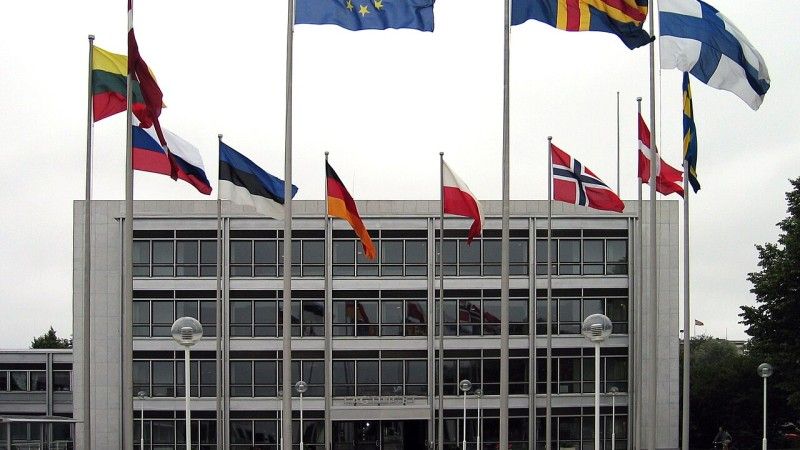
Photo. Magne Kveseth / norden.org / Wikipedia
Finland, Sweden, Norway, Denmark and Iceland want to strengthen their cooperation in protecting infrastructure, countering cyberattacks and preparing the population for emergency situations. On 28 October 2026, the Nordic Council adopted a strategy for societal security in Helsinki, setting out plans for closer coordination between countries in the region. The document covers not only military threats, but also energy and food supplies, communications, transport, disinformation and the resilience of democratic institutions.
This approach reflects the changing nature of the threats facing northern Europe. The COVID-19 pandemic exposed weaknesses in supply chains and problems with coordinating measures at national borders. Russia’s invasion of Ukraine worsened the security situation in Europe, while cyberattacks and disinformation operations showed that destabilising a state does not have to begin with the use of armed force. The Nordic Council points out that societal resilience now requires cooperation between public administration, local authorities, businesses, emergency services and citizens.
This is not just about defence against war. It is about keeping the entire state functioning
The concept of societal security is broader than national defence as traditionally understood. It covers the ability of a state and society to prevent crises, respond to them and restore normal operations once they have occurred.
In practice, this means situations in which essential services stop working: electricity supplies, telephone communications, the internet, transport, payment systems or the supply of goods to shops. The cause could be war, a cyberattack, infrastructure failure, an extreme weather event or an interruption to supplies from abroad.
The concept of total preparedness occupies an important place in the Nordic Council’s strategy. It assumes that responsibility for security cannot rest solely with the military and state services. Businesses, social organisations, local authorities and residents should also participate in preparations.
The Council recommends regular joint civil protection exercises, better information exchange between institutions and providing social organisations with the appropriate powers, training and resources to act during a crisis. Maintaining transport and logistics is also particularly important, so that people can still be moved and essential goods transported even during serious disruptions.
Hybrid threats target energy, telecommunications and democracy
One of the strategy’s most important areas is countering hybrid threats. These are activities that can weaken a state without formally initiating an armed conflict. They include cyberattacks, disinformation campaigns, attempts to influence public debate, sabotage and the exploitation of economic and technological dependencies.
The Nordic Council points out that critical infrastructure and democratic institutions are particularly vulnerable. An attack on the IT systems of an energy operator could disrupt electricity supplies. An attack on telecommunications networks could make it difficult for emergency services and residents to communicate. A coordinated disinformation campaign, in turn, could undermine trust in public institutions and deepen social divisions.
The document therefore proposes jointly mapping the most important digital infrastructure and defining principles for its protection. The Nordic countries would also agree on a common approach to digital sovereignty, meaning the ability to control and securely develop key technological systems.

This is important at a time when public administrations and businesses rely heavily on services provided by global suppliers of cloud computing, data centres and software. Dependence on external providers could become a problem during geopolitical conflict, trade disruptions or a major technological crisis.
The Council also proposes developing secure 5G and 6G infrastructure and satellite communications, as well as cooperation in space technology. Countering disinformation and ensuring the responsible use of artificial intelligence are separate priorities.
Energy and food must remain available during a crisis
Security of supply is another pillar of the Nordic strategy. The document states that countries in the region must prepare for situations in which international supply chains are interrupted or severely restricted.
This applies primarily to energy and food. The Nordic countries have well-developed energy systems and a high share of renewable sources in electricity generation, but the further electrification of their economies is increasing demand for grids and generation capacity. The development of data centres and hydrogen production also requires new investment.
The Council points out that energy security does not depend solely on how much energy can be produced. It is equally important whether the system can deliver it to consumers during failures, extreme weather events or other disruptions. It therefore recommends joint investment in more resilient generation and distribution systems, as well as identifying strategic energy storage options.

A similar approach is to apply to food. In a crisis, domestic production is not the only factor that matters. The ability to transport products, store reserves and maintain trade between countries is also essential. The North Atlantic and the Arctic are particularly important in this respect, as vast distances, difficult weather conditions and limited infrastructure make deliveries more challenging.
The Council calls for the development of a joint food security forum to assess the availability of essential products and coordinate action before, during and after a crisis. It also proposes creating a Nordic industrial platform that would make it possible to use the potential of businesses more effectively in emergency situations.
The Arctic and North Atlantic are gaining strategic importance
The geographical location of the Nordic countries means that their security is closely linked to the situation in the Arctic and the North Atlantic. These areas are important for maritime transport, supplies of raw materials and energy, communications, and infrastructure connecting Europe with North America.
The Arctic is also becoming increasingly important from a military security perspective. Climate change is affecting shipping conditions, access to certain areas and the importance of maritime routes. At the same time, the region requires special preparations because of difficult weather conditions, long distances and low population density.
The strategy stresses that rescue and crisis response cooperation cannot stop at national borders. This applies, among other things, to maritime and aviation rescue, responses to environmental disasters and maintaining communications during serious incidents.
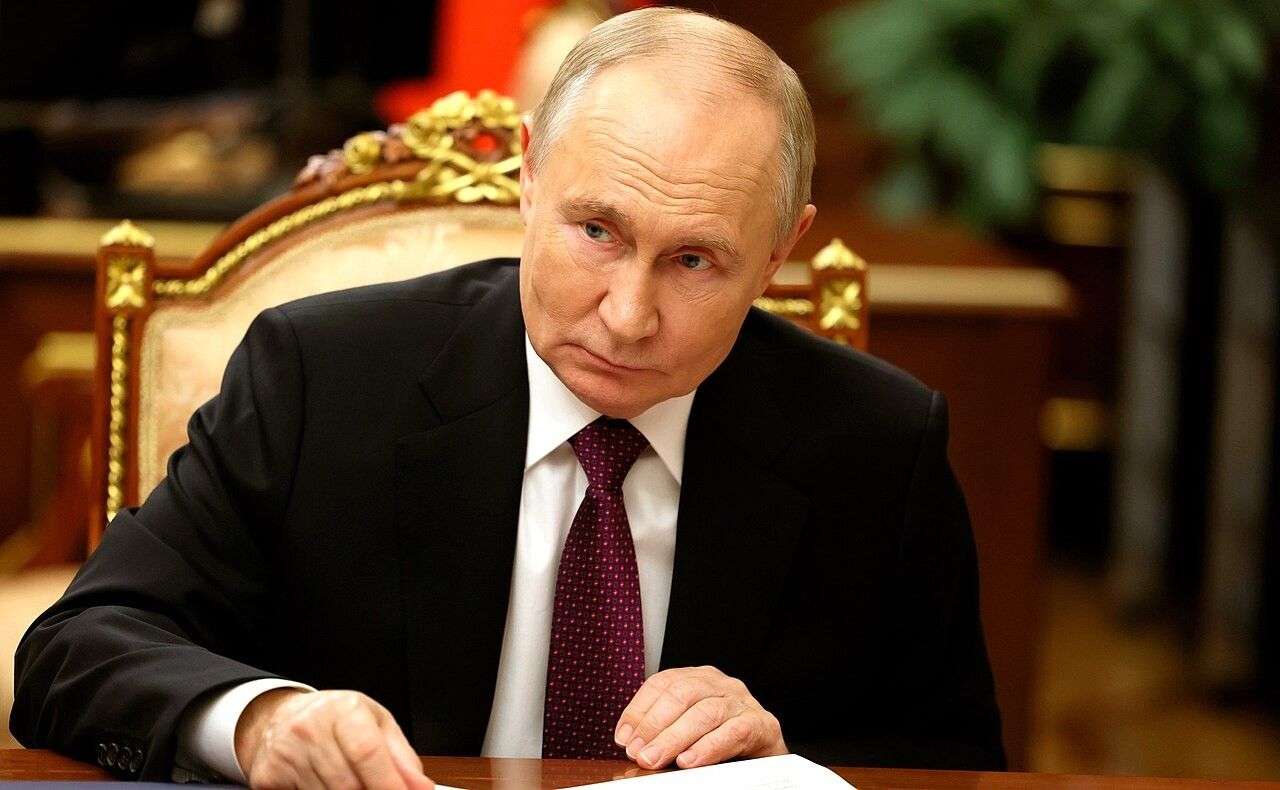
The Council wants to develop joint exercises, exchange information about the situation at sea and coordinate rescue resources. It also highlights the need to improve cooperation between the communications systems used by emergency services.
Finland and Sweden in NATO are changing the framework for cooperation
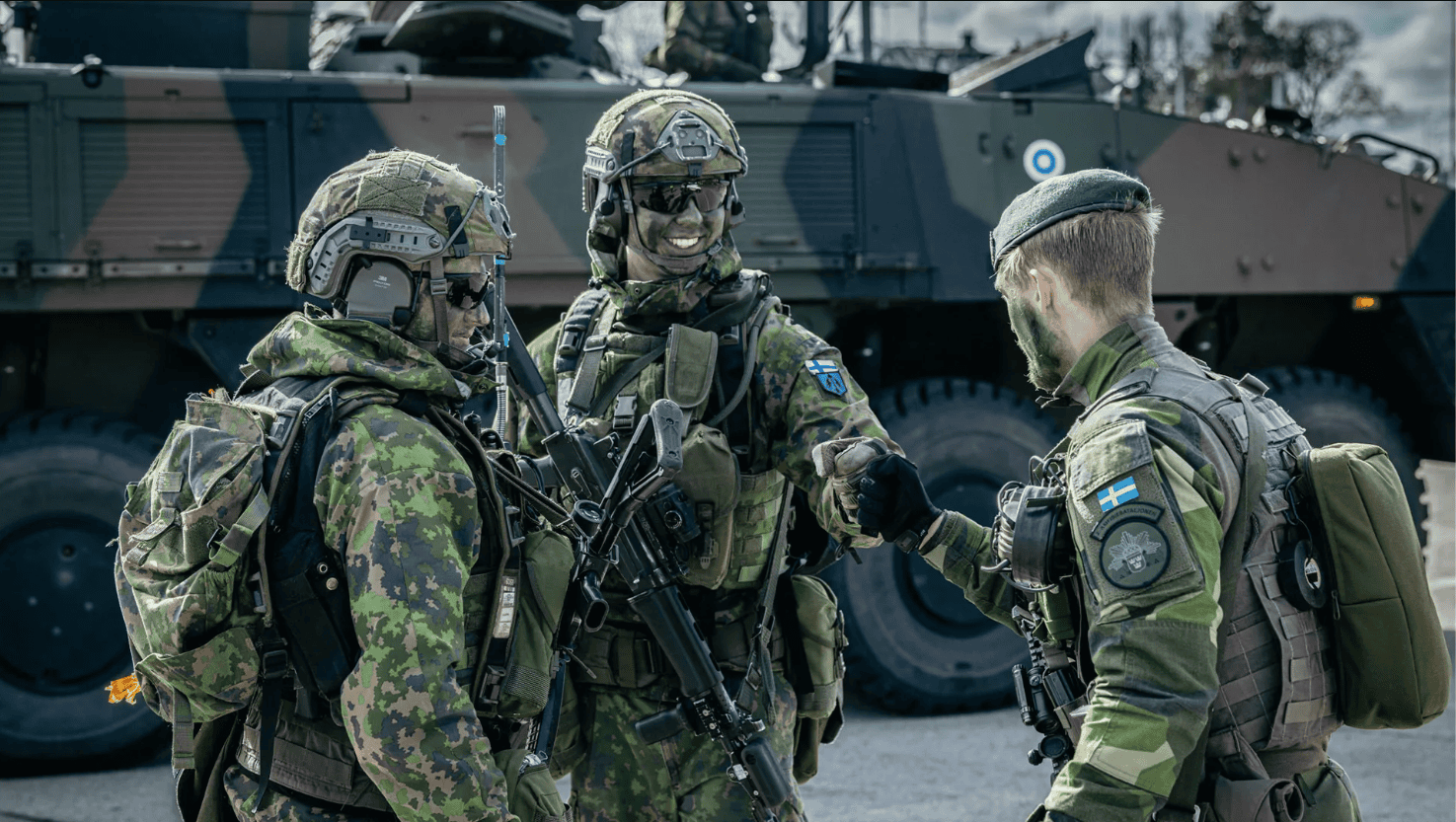
The new strategy is being developed in a changed geopolitical environment. Finland joined NATO in 2023, and Sweden followed in 2024. This means that all five Nordic countries are now members of the North Atlantic Alliance.
Joint membership makes defence planning, coordination of military activities and regional security cooperation easier. However, it does not mean that all problems related to civil protection, supplies or crisis management have been resolved by existing NATO structures.
For this reason, the strategy highlights the need to develop separate Nordic cooperation. It refers, among other things, to NORDEFCO, the Nordic defence cooperation framework, and Haga Cooperation, which focuses on civil preparedness and crisis management.

The Council proposes giving cooperation under Haga Cooperation clearer rules for leadership and the division of responsibilities, modelled on arrangements used within NORDEFCO. It also wants to establish a multilateral agreement covering civil defence, crisis preparedness and security of supply.
Emergency services are expected to work across borders
Cooperation between emergency services is also an important element of the strategy. The Nordic countries have long coastlines and extensive maritime areas, and in the event of a disaster or serious incident, the resources of one country may prove insufficient.
The Council wants closer cooperation in maritime and aviation rescue, joint exercises and improved compatibility between communications systems. The document refers, among other things, to solutions used in Sweden, Norway, Finland and the Åland Islands.
At present, these systems are largely national solutions, even though there is some degree of technical compatibility between them. However, there is no fully integrated communications infrastructure covering the entire Nordic region. In a crisis, this could make it harder to transmit information quickly and coordinate the work of rescue teams.

Joint procedures are intended to make it easier to respond to accidents, environmental disasters and threats at sea. This is particularly important in the North Atlantic and the Arctic, where help may take considerably longer to arrive than in the more densely populated parts of Europe.
Schools and citizens are also to become part of the security system
The strategy is not limited to infrastructure and state institutions. The Nordic Council emphasises the importance of education, culture, independent research and public trust.
One proposal is to introduce an annual crisis preparedness week in schools. Pupils would learn how to act in emergency situations, assess information critically and recognise manipulation in the media.
This is a response to a problem that is becoming increasingly important for national security. Even well-prepared infrastructure may prove insufficient if residents do not know how to behave during an outage, where to find reliable announcements or how to respond to false information.
The Council also points to the need to protect cultural heritage during armed conflicts and ensure that people with disabilities have access to information, assistance and essential services during a crisis. Societal resilience is intended to cover all residents, not just those who can manage an emergency situation independently.
The strategy sets a direction but does not create a single Nordic crisis government
It is important to distinguish between adopting a strategy and establishing a new supranational security management system. The Nordic Council is a body for parliamentary cooperation. The document adopted on 28 October contains recommendations addressed to the governments of the Nordic countries. It does not mean that a joint command will automatically be established or that national institutions responsible for security will be replaced.
The next stage should be to translate the recommendations into concrete government decisions, agreements, procedures and funded cooperation programmes. Among other things, the Council calls for political responsibility for societal security to be assigned more clearly and for the strategy to be incorporated into the joint Nordic crisis preparedness programme currently being developed.

It is also worth remembering that Nordic cooperation involves more than the five countries mentioned above. The Nordic Council brings together parliamentarians from Denmark, Finland, Iceland, Norway and Sweden, as well as from Greenland, the Faroe Islands and the Åland Islands. Including these territories is particularly important in the context of Arctic and North Atlantic security.
Why does the decision in Helsinki matter for Europe?
The Nordic countries are trying to prepare for crises that could affect several countries simultaneously. A power grid failure, a cyberattack on a telecommunications operator, disruptions to maritime transport or an interruption to food supplies do not have to respect national borders. Joint procedures and information exchange can therefore determine how quickly a response is mounted.
For the rest of Europe, including Poland, it is also important that the security of the Nordic region is linked to the situation in the Baltic Sea, the North Atlantic and the Arctic. The stability of energy, telecommunications and transport infrastructure in the north matters to the wider European security system.
The document adopted in Helsinki demonstrates a shift in the approach to preparing states for threats. Security is no longer presented solely as the responsibility of the armed forces and state services. It also encompasses economic resilience, access to energy and food, data protection, public education and the ability to maintain essential services during a crisis.
The greatest challenge now will be implementing these principles. The strategy itself will not make infrastructure resilient or stop cyberattacks. However, it could provide the basis for a more coherent system of cooperation in which the Nordic countries identify threats earlier, prepare jointly for their consequences and respond more quickly when a crisis crosses the borders of a single country.


