- WIADOMOŚCI
East Front News #99: US reviews its military presence in Europe

East Front News is a weekly newsletter summarizing the past week’s most important events concerning security and the situation in the Central and Eastern Europe region. It includes original opinions and comments, along with key news items significant from a Polish perspective. If you would like to receive this newsletter, please sign up by clicking
US reviews its military presence in Europe
The United States has launched a six-month review of its military presence and basing arrangements in Europe. The process will involve the US armed forces, Congress and NATO allies.
The review supports the NATO 3.0 concept, under which European countries would assume primary responsibility for defending the continent. Washington also wants its access, deployment arrangements and overflight rights in Europe to be clearly secured.
Author: Michał Górski

Ukraine strikes targets in the Moscow region
Ukrainian forces carried out a large-scale drone attack against a refinery in Moscow and other targets in the surrounding region. The refinery is an important part of the capital’s fuel infrastructure and also produces aviation fuel.
Russian authorities claimed that hundreds of drones had been intercepted, although falling debris reportedly damaged shopping centres, homes and other buildings. The attack demonstrates Ukraine’s growing ability to strike strategic targets close to the Kremlin.
Author: Patryk Jagnieża
See also 

The US–Iran memorandum offers a ceasefire, not peace
The planned memorandum between the United States and Iran would create a 60-day negotiating period, temporarily suspend military escalation and provide Tehran with major economic concessions. However, it would not constitute a binding peace treaty.
Its success would depend on preventing renewed fighting, resolving the nuclear dispute and ensuring compliance by regional actors that are not parties to the document. The agreement may open the way to a permanent settlement, but it could also collapse quickly.
Author: Aleksander Olech and Michał Bruszewski

France considers buying more Rafale aircraft
The French Senate has supported an update to the country’s military spending programme, including the purchase of 30 additional Rafale F4 aircraft and three more FDI frigates. The proposal responds to concerns about a possible future confrontation with Russia.
Senators also backed work on a successor to the Leclerc tank, stronger drone and counter-drone capabilities and a major increase in military personnel. However, the final financing arrangements remain politically unresolved.
Author: Aleksander Olech
See also

NATO faces the growing threat of Russia's shadow fleet
Russia’s shadow fleet helps finance the war in Ukraine by transporting sanctioned oil through opaque ownership and insurance structures. Its ageing vessels also create environmental dangers and may be used for intelligence gathering or operations against critical infrastructure.
NATO countries have adopted different approaches to the threat, ranging from monitoring to boarding and seizing suspicious ships. The article argues that allies need clearer legal rules, better intelligence sharing, joint exercises and a coordinated enforcement strategy.
Author: Isidore Brommare and Karolina Kisiel

Poland and Germany sign a new defence agreement
Poland and Germany have signed an agreement covering military mobility, logistics, cyber defence, space, the Baltic Sea and the protection of critical infrastructure. German engineering units may also support Poland’s East Shield fortification programme.
The document does not provide additional security guarantees or establish a permanent German military presence in Poland. Its importance will depend on practical measures such as joint exercises, faster troop movements and industrial cooperation.
Author: Aleksander Olech

India strengthens its position in Central Europe
Narendra Modi’s visit to Slovakia marked the first trip by an Indian prime minister to the country since its independence. India and Slovakia upgraded their relations to a Comprehensive Partnership and signed agreements covering defence, digital technology, infrastructure, education and labour migration.
The visit reflects India’s growing interest in Central Europe following Modi’s earlier trip to Poland. New Delhi views the region as an economic partner, a source of political support and a gateway to closer cooperation with European institutions.
Author: Adam Burakowski

The Russian Army is set to expand further
Russia has increased the authorised strength of its Ministry of Defence to nearly 2.4 million posts, including 1.51 million military personnel. The expansion continues despite the country’s heavy casualties and demographic losses resulting from the war in Ukraine.
Moscow is using high salaries and signing bonuses to attract contract soldiers, while maintaining a large conscription system and trained reserve. President Vladimir Putin claims that around 700,000 Russian troops are currently involved in the war against Ukraine.
Author: Jarosław Ciślak

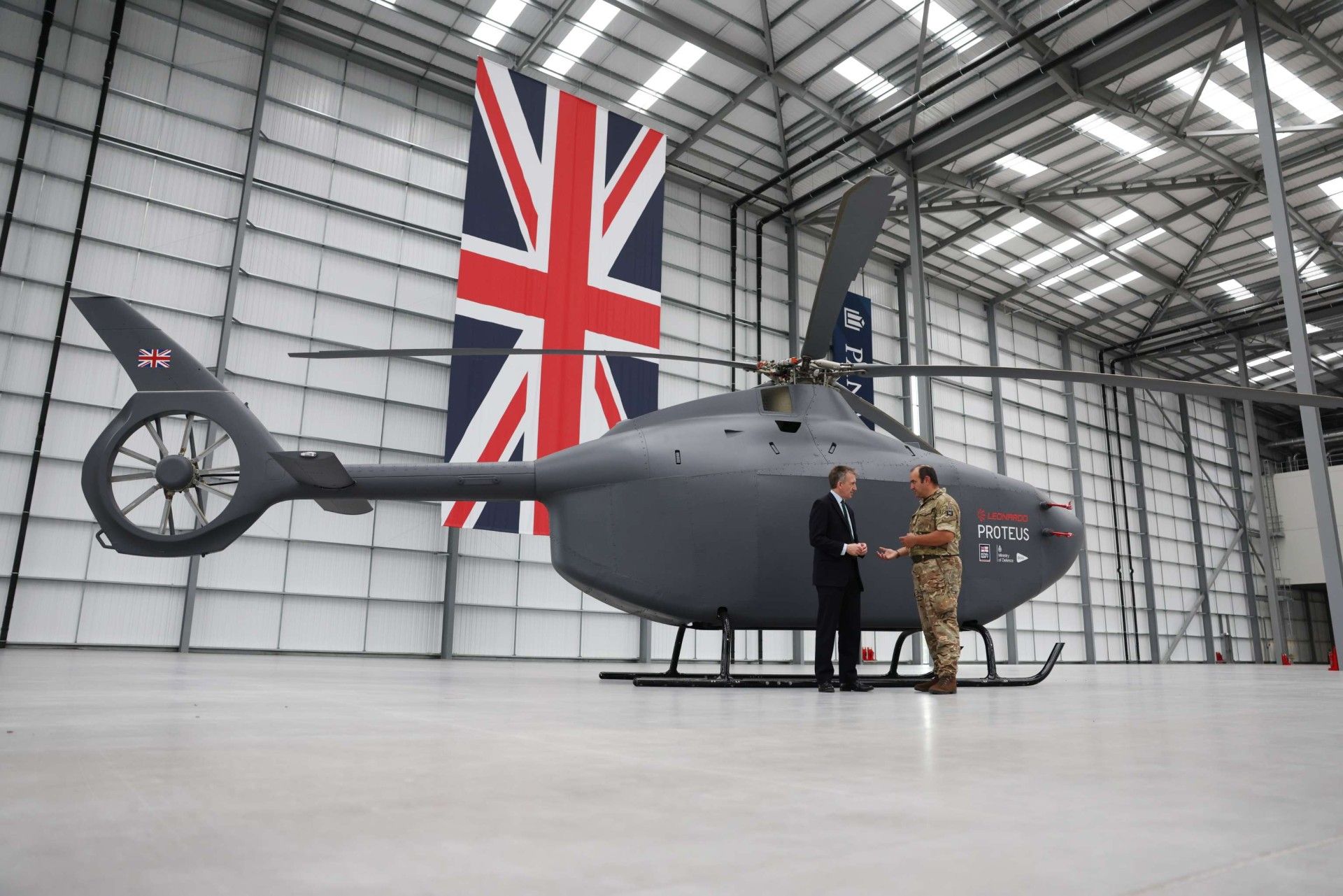
Britain struggles to finance its rearmament
The United Kingdom faces a widening gap between its global military ambitions and the resources available to its armed forces. Years of underfunding have reduced personnel, ships and aircraft, while growing threats are increasing pressure for rapid rearmament.
Raising defence expenditure would require spending cuts, additional borrowing or higher taxes. The forthcoming Defence Investment Plan must therefore define not only how Britain will fund modernisation, but also what international role it can realistically sustain.
Author: Natalia Adrianna Potera