









- WIADOMOŚCI
- ANALIZA
Germany is rearming at record speed. France is worried, while the US backs Berlin

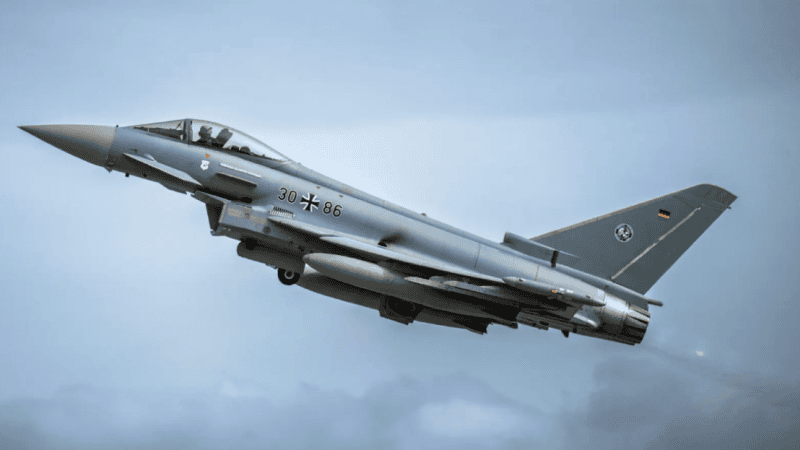
Photo. Airbus Defence & Space
Germany is preparing to spend almost €140 billion on defence in 2027, while France is planning a military budget of €63.4 billion. The difference is enormous, and some French politicians are beginning to question what Germany’s rearmament will mean for the balance of power in Europe. Meanwhile, Washington has identified Berlin as a central pillar of NATO’s future conventional defence. Germany is rebuilding its armed forces, expanding its defence industry and permanently deploying a brigade to Lithuania. The question is no longer whether Germany will become a major European military power, but how far Berlin intends to go and whether other European countries can keep pace.
The French newspaper Le Journal du Dimanche published an article examining growing concerns over Germany’s military expansion. Interestingly, criticism comes from both sides of the French political spectrum. Jean-Philippe Tanguy of the National Rally has warned about the consequences of German rearmament, while Jean-Luc Mélenchon has questioned Berlin’s ambition to build Europe’s strongest conventional army.
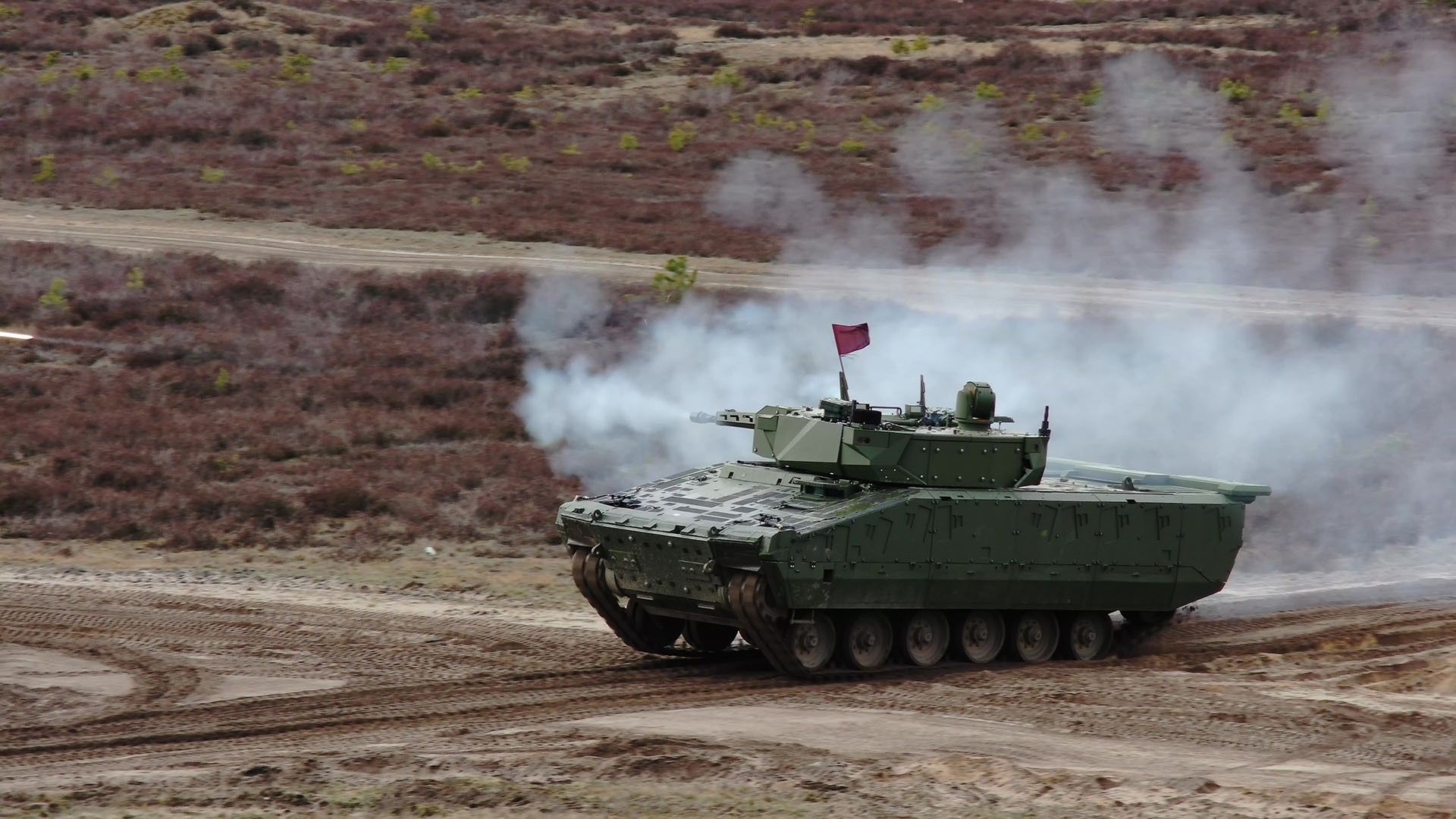
These concerns are not particularly surprising. France has long regarded itself as Europe’s leading military power, with its own nuclear arsenal, advanced defence industry and the ability to conduct operations abroad. Germany, by contrast, has been Europe’s largest economy but has struggled for decades with the condition and readiness of its armed forces. That balance is now changing.
Germany is spending twice as much as France
The latest budget figures illustrate the scale of Berlin’s ambitions. According to documents discussed by the Bundestag on 25 November, Germany plans to allocate approximately €109.75 billion to its regular defence budget in 2027, alongside another €29.65 billion from the Bundeswehr’s special fund. Together, that amounts to around €139.4 billion.
France, meanwhile, plans to spend €63.4 billion under its 2027 defence budget, excluding military pensions. Paris is also increasing expenditure, with an additional €6.5 billion compared with 2026. These national budget figures do not cover exactly the same categories, but the difference in financial capacity is clear.
And Berlin is planning to go further because its current financial projections envisage regular defence expenditure reaching approximately €162.9 billion in 2029 and €183.7 billion in 2030. Germany is also expanding its military personnel, with plans to increase active troop numbers to around 260,000 by 2035.
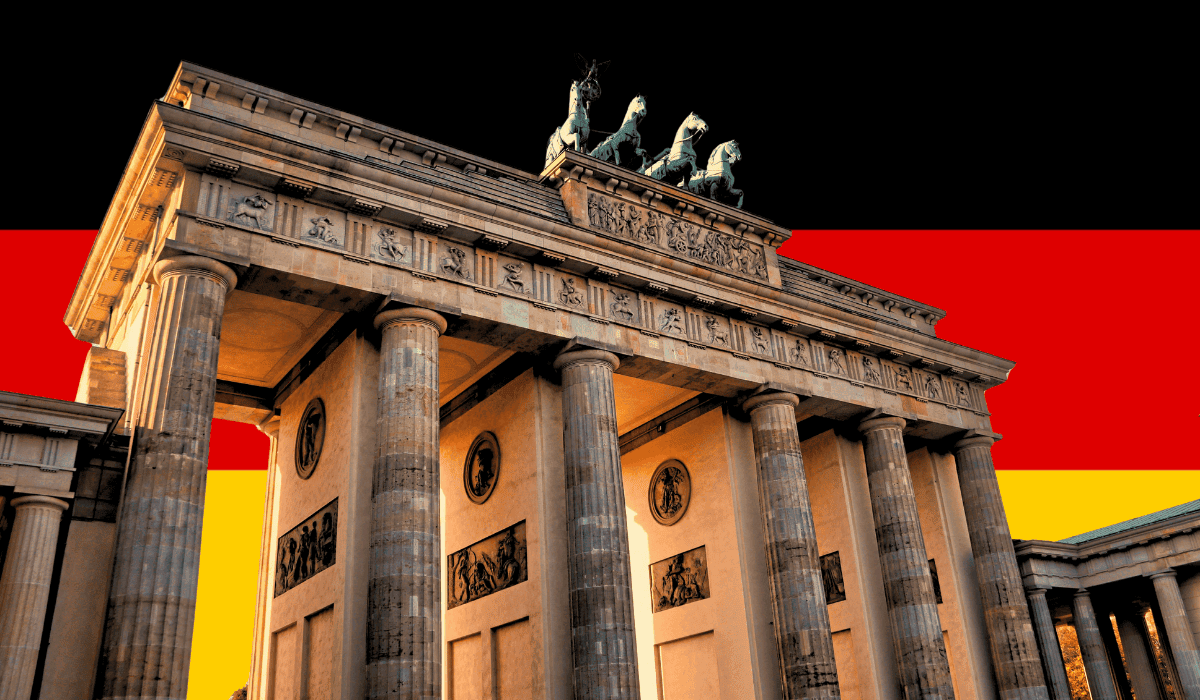
For France, this raises another question: how much can Paris realistically increase its own military spending? Germany has a larger economy, a substantial industrial base and the ability to redirect parts of its manufacturing sector towards defence production. French companies remain highly competitive in aircraft, missiles, naval systems and artillery, but the growing German budget could significantly change the European defence market.
The problems surrounding Franco-German military cooperation are already evident. The joint FCAS fighter aircraft project collapsed in June 2026, while the MGCS future tank programme also failed. Both countries continue to cooperate, but their industrial interests are increasingly difficult to reconcile.
Washington is looking to Berlin
Another important aspect is the American position. On 17 November, US Under Secretary of Defence for Policy Elbridge Colby explicitly highlighted Germany’s growing importance for NATO. He described Berlin’s efforts to rebuild its military capabilities and defence industry as central to restoring Germany’s position in European collective defence.

This is particularly significant in the context of NATO 3.0, under which Washington expects European allies to assume primary responsibility for the continent’s conventional defence. Germany is one of the countries the Americans expect to play a leading role. Poland and the Nordic countries have also received considerable praise for their defence commitments. The Americans are not simply asking Germany to spend more. They expect Berlin to become one of the principal military powers responsible for defending Europe.
Germany also remains a particularly important US military partner. Approximately 30,000 American troops are stationed on German territory, and Berlin participates in NATO’s nuclear-sharing arrangements. The Bundeswehr is replacing its Tornado aircraft with F-35As to maintain its role in delivering American nuclear weapons if required under NATO procedures.
France occupies a different position. It possesses its own independent nuclear deterrent and continues to argue for greater European strategic autonomy. Although the Pentagon recently praised Paris for assuming additional responsibilities in NATO’s Force Model, Washington is increasingly emphasising Germany’s central role in conventional defence.
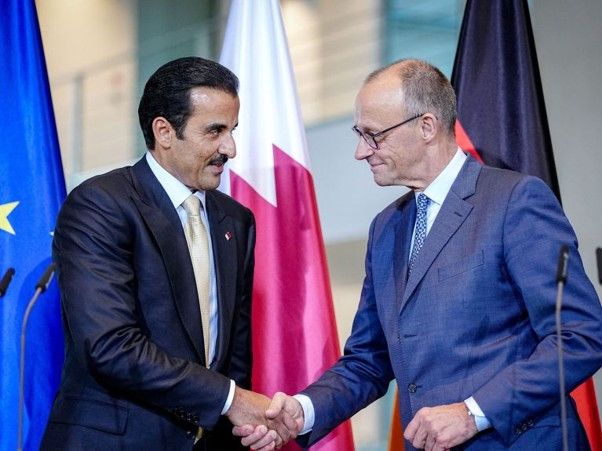
This does not mean that the Americans are abandoning France. Nevertheless, the distinction is interesting. Paris wants greater European independence, while Washington is building a new distribution of military responsibilities around countries prepared to expand their forces and maintain close transatlantic industrial cooperation.
Does Europe really need to fear a stronger Germany?
I would be careful about presenting Germany’s rearmament as a threat to other European countries. After all, Berlin is doing exactly what NATO has been demanding for years: increasing military expenditure, rebuilding its armed forces and taking greater responsibility for collective defence.
The most obvious example is Lithuania. Germany is establishing its 45th Armoured Brigade there, with approximately 4,800 soldiers expected to be permanently stationed in the country by the end of 2027. This is an important commitment, particularly because the brigade is being deployed close to the borders of Russia and Belarus.
See also 

For Lithuania, Poland and the other countries on NATO’s eastern flank, a stronger Bundeswehr has an obvious practical value. German troops, tanks, artillery and air defence systems will contribute directly to the defence of Allied territory. Berlin is no longer limiting itself to maintaining forces inside Germany.
However, some of the French concerns relate less to current German policy than to the country’s political future. The growing influence of the AfD has raised questions among politicians in France and elsewhere about how Germany’s foreign and defence policies could develop under a future government.
This is where the debate becomes more interesting. Germany’s military expansion is taking place within NATO and under democratic civilian control. Yet the scale of the investments means that decisions taken in Berlin will increasingly affect the military and industrial balance across Europe.

For me, the most important question is how far Germany will continue to rearm and whether France, Italy and other European countries will be able to match its pace. France will retain its independent nuclear forces and considerable military expertise, but Germany could become the dominant conventional military power in Europe.
What will matter is not only how much Berlin spends, but how quickly that investment translates into stronger military capabilities on NATO’s eastern flank, particularly along its most vulnerable borders with the Russian Federation.