- WIADOMOŚCI
- ANALIZA
A 229% increase: Türkiye’s record-breaking defence and security budget for 2027

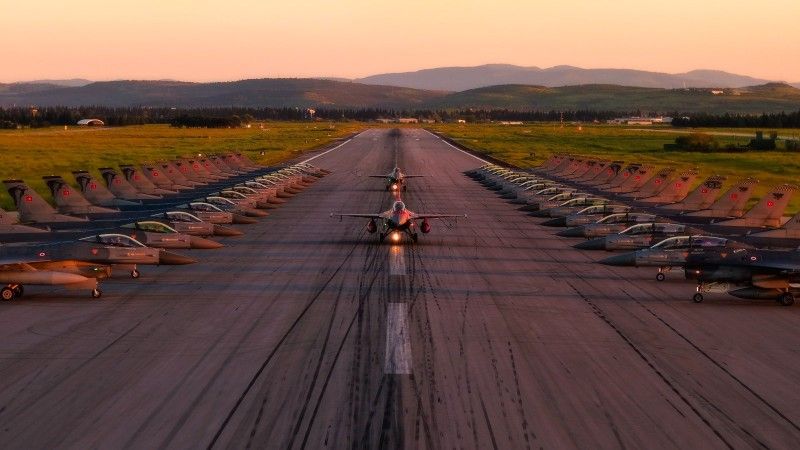
Photo. Official X Account of the Republic of Türkiye Ministry of National Defence
Türkiye has unveiled its draft budget for 2027, allocating 3.45 trillion lira to the defence and security sectors. Under this plan, funding for the procurement of weapons, ammunition, and military equipment is set to increase by 229%. Vice President Cevdet Yılmaz emphasised that this initiative aims to reduce the country’s reliance on foreign suppliers and further develop its domestic defence industry. A key analytical question, however, remains: how will such a significant financial infusion translate into the direct operational capabilities of the armed forces and the pace at which modern technologies are deployed?
A landmark allocation: The largest increase in defence spending in history
In the draft budget for 2027, submitted to the Grand National Assembly of Türkiye (TBMM), national defence and security spending has emerged as a key priority. Turkish Vice President Cevdet Yılmaz announced that the funds allocated within the Ministry of National Defence budget for the procurement of weapons, ammunition, weapon systems, and military equipment will increase by a record 229%. This substantial jump represents the largest rise in military equipment expenditure in recent years and signals a transition for the Turkish defence sector—moving from a phase of research and design towards mass production and the acquisition of finished platforms. It should be noted, however, that these figures currently represent a preliminary budget proposal, which will still be subject to parliamentary debate.
Budget size and structure: 3.45 trillion lira for security
The total amount allocated for defence and internal security in 2027 reached 3.454 trillion lira (approx. 69.64 billion USD). Within this total:
- The defence sector will receive 2.206 trillion lira (approx. 44.5 billion USD).
- 1.248 trillion lira (approx. 25.2 billion USD) has been allocated for internal security.
Total spending on defence and security accounts for 12.7% of the central budget. In terms of size, it is second only to the combined expenditure on healthcare, education, and debt servicing. For comparison, total central budget expenditures are projected at 27.276 trillion lira, with revenues at 23.408 trillion lira, resulting in a budget deficit of 3.868 trillion lira (approx. 3.5% of GDP). The Ministry of National Defence alone will have an expenditure limit increased to 1.53 trillion lira (approx. 31 billion USD), raising its share of public administration spending from 4.1% to 6.1%. It should be noted, however, that this figure cannot be directly compared with NATO statistics without first isolating expenditures related to the police, the gendarmerie, special-purpose funds, and personnel costs.
Industrial self-sufficiency as a political goal
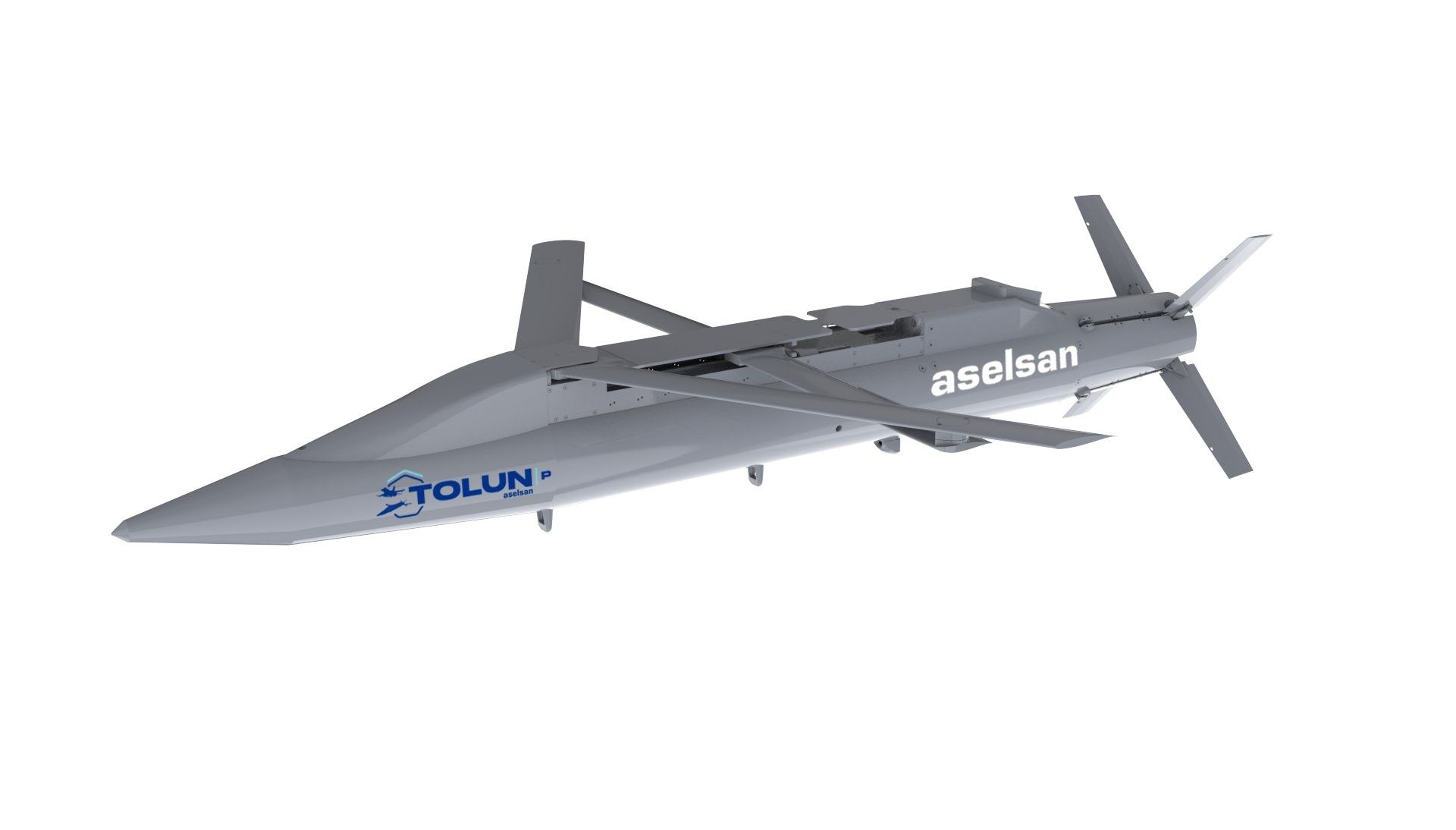
During the presentation of the draft budget, Vice President Cevdet Yılmaz clearly stated that reducing reliance on foreign arms suppliers remains one of the government’s top priorities. Over the past few decades, Türkiye has increased the share of domestic components in its defence production—from approximately 20% in 2002 to over 83% today—fostering an ecosystem that encompasses more than 4,500 enterprises. The strategic rationale behind this policy is to secure full control over the entire life cycle of military equipment: from design and manufacturing to maintenance and the consistent supply of ammunition. Such technological independence shields Ankara from potential diplomatic embargoes or supply chain disruptions, directly enhancing its freedom to pursue a sovereign foreign and defence policy.
From research and development (R&D) to serial production
The 229% increase specifically concerns funds allocated for the procurement of military equipment and platforms, rather than the entire defence budget. These funds are intended to finance large-scale production and the entry into service of flagship Turkish projects:
- Combat Aviation: the fifth-generation fighter jet KAAN, the unmanned combat aerial vehicles (UCAVs) KIZILELMA and ANKA III, and the advanced trainer/light-attack aircraft HÜRJET.
- Air Defence: the "Steel Dome" (Çelik Kubbe) – an integrated, multi-layered air defence system combining radars, command and control systems, and artificial intelligence.
- Land and Naval Forces: the ALTAY main battle tank, the ongoing MİLGEM frigate programme, and precision-guided munitions.
It should be noted that a detailed percentage breakdown of these additional funds across individual programmes has not been specified in the general budget document, and the exact amounts will be determined during the proceedings of the Plan and Budget Committee and through the conclusion of specific implementation contracts.

Furthermore, it must be emphasised that this allocation of resources shifts the focus from research and development (R&D) and prototype construction towards financing large-scale production and delivering finished equipment to frontline units. There is a fundamental difference between demonstrating a technology or signing a framework agreement and achieving full operational capability (FOC). It is precisely this stage—encompassing the large-scale procurement of ready-made platforms, the stockpiling of precision ammunition, and the expansion of technical and maintenance infrastructure—that generates the greatest financial burden, amounting to billions.
Constraints in reducing import dependency and international standing
Over the past few decades, Türkiye has transformed from an importer of military equipment into a key exporter in the global arms market.
In 2025, exports from the Turkish defence and aerospace industry savunma ve havacılık) reached a record value of USD 10.05 billion—a fortyfold increase compared to the mere USD 248 million recorded in 2002—with an additional USD 5.79 billion generated in the first half of 2026 alone. Foreign sales to more than 185 countries play a significant economic role: through economies of scale, they lower the unit production costs of equipment for the Turkish Armed Forces and provide the necessary funds—from both private and state sources—for the development of next-generation weaponry.
Furthermore, Türkiye ranks among the world leaders in combat unmanned aerial vehicle (UAV/UCAV) technology and is one of ten nations capable of independently designing and constructing its own warships.
At the same time, growing interest in Turkish air defence systems within the Persian Gulf region, coupled with the conclusion of the multilateral Bedir Mutabakat Zaptı (Bedir Memorandum of Understanding) with Qatar, Pakistan, and Indonesia, has strengthened Ankara’s position as a provider of security.
Despite these successes—and the achievement of an 83% self-sufficiency rate—the Turkish defence industry continues to face challenges in key areas. Among the weakest links are advanced propulsion systems (aero-engines and power units for armoured vehicles), highly specialised microelectronics, and certain types of sensors and radar components. Therefore, the crucial question is: Is the rapid surge in government orders being matched by an acceleration of import-substitution programmes and the securing of a continuous supply of components from external partners, given the current geopolitical tensions?

Economic constraints of the plan
The sharp rise in nominal defence spending is part of the Medium-Term Programme (OVP), which sets the budgetary ceiling for the Ministry of National Defence at 1.53 trillion lira by 2027. A key economic challenge, however, lies in distinguishing between a genuine enhancement of combat capabilities and the effects of inflationary pressure and the weakening of the lira.
The government anticipates a decline in consumer inflation—from an estimated 28.4% at the end of 2026 to 21% in 2027—and views the support of this disinflationary process as a pillar of the budget. Nevertheless, maintaining such high levels of public spending—with a combined allocation for defence and security reaching 3.454 trillion lira—could limit fiscal policy flexibility and exert pressure on domestic demand.
Further constraints arise from the costs of importing key components, which are settled in foreign currencies (the proposal assumes an exchange rate of approximately 49.5 TRY/USD, with an allocation of 2.206 trillion TRY), as well as from potential bottlenecks in production capacity and the availability of highly skilled engineering personnel.
Ultimately, the effectiveness of the plan will depend on what portion of the additional funds is actually directed toward the acquisition of new weaponry, versus how much is absorbed by rising production costs.

The significance of the Turkish defence sector’s development for Europe
The dynamic growth of the Turkish defence and aerospace sector is shaping a new architecture of relations for the European industry, including the sector in Poland.
On the one hand, this creates significant opportunities for industrial and technological cooperation, such as the joint production of large-calibre ammunition, the development and integration of unmanned systems (both land-based and aerial), maintenance, repair, and overhaul (MRO) services, and the transfer of specific technologies—as evidenced by Türkiye’s agreements with Spain regarding HÜRJET aircraft. On the other hand, the consolidation of the Turkish defence ecosystem, which comprises approximately 4,500 enterprises, intensifies direct competition in foreign markets. Turkish companies (such as ASELSAN, ROKETSAN, TUSAŞ, and BAYKAR) offer mature, combat-proven, and cost-effective systems, successfully competing against suppliers from Central and Eastern Europe in tenders across the Middle East, Africa, and Southeast Asia. This trend is reflected, for instance, in the „Bedir Mutabakat Zaptı” (Bedir Memorandum of Understanding) concluded with Qatar, Pakistan, and Indonesia.
International reactions and geopolitical context
From a NATO perspective, the expansion of Türkiye’s military capabilities is of significant importance to the alliance’s eastern and southern flanks. An example of growing interoperability was the integration of the Bayraktar TB3 unmanned aerial vehicle with the vessel TCG Anadolu during NATO exercises off the coast of Albania.
On the other hand, the proposed increase in spending has been met with a less favourable reception in some foreign media—particularly in Greece, where the rise in arms procurement is viewed through the lens of the „Mavi Vatan” („Blue Homeland”) doctrine and the balance of power in the Aegean Sea and the Eastern Mediterranean. Ankara, for its part, maintains that its primary objective is to establish strategic deterrence and enhance resilience against geopolitical shocks within an unstable international environment.

Summary
Whether the 2027 budget proposal proves successful will not be determined by the declared 229% increase or the record-breaking figures in Turkish lira, but rather by how effectively these funds are translated into concrete military and industrial capabilities. Key indicators of this success will include the scale of serial production, the elimination of bottlenecks in component supply chains, the value of the order backlog, and the pace of delivery. In short, the budget proposal will only represent a true breakthrough if it succeeds in transforming nominal financial outlays into durable, shock-resistant operational capabilities for the Turkish Armed Forces and a self-sufficient industrial base.