


- WIADOMOŚCI
East Front News #120: MiG-29s for drones: New Poland-Ukraine defense deal


Photo. Defence24
East Front News is a weekly newsletter summarising the past week’s most important events concerning security and the situation in the Central and Eastern Europe region. It includes original opinions and comments, along with key news items significant from a Polish perspective. If you would like to receive this newsletter, please sign up by clicking
Russian services detain two Poles. FSB accuses them of espionage in the Kaliningrad Oblast
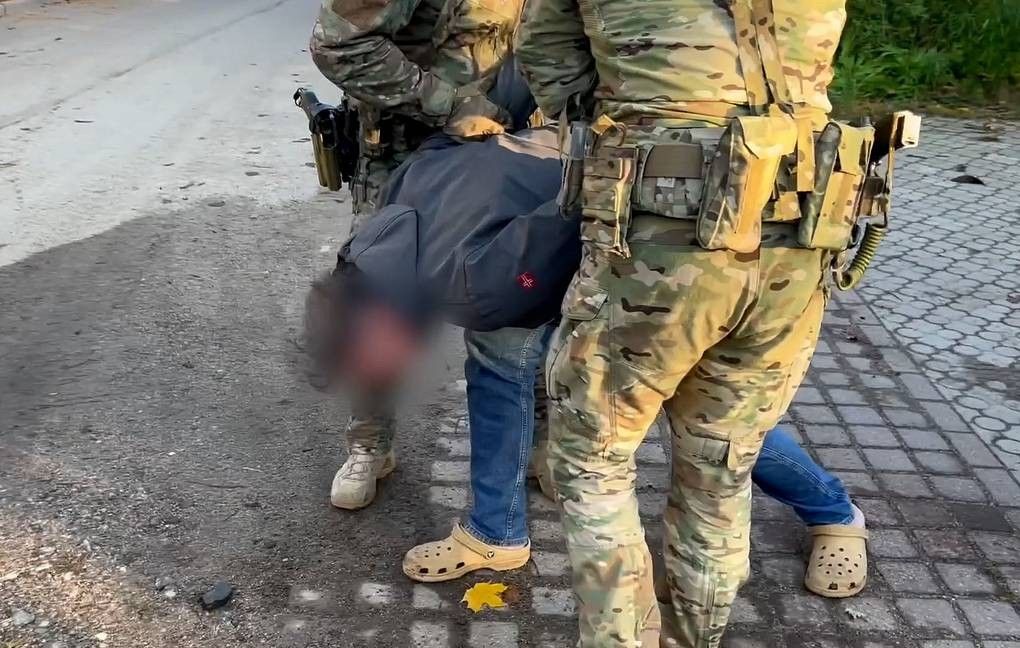
Russia’s FSB says it has detained two Polish citizens in the Kaliningrad Oblast on allegations of espionage. Moscow claims they were gathering information on military facilities as well as the economic and social situation in the Russian exclave.
The timing is particularly significant, coming immediately after Poland’s ABW detained two Ukrainian nationals accused of working for Russian intelligence. The Russian operation also contained obvious propaganda elements, including suspiciously prepared alleged evidence and an unusually rapid information campaign.
Authors: Maciej Kolasa, Aleksander Olech
Starshield restricted again for Ukraine, Zelensky warns
Ukraine is again reporting serious restrictions affecting Starshield military satellite communications. According to President Volodymyr Zelenskyy, the system is imposing a speed limit of around 161 km/h on moving terminals.
The restrictions are particularly dangerous for Ukrainian interceptor drones attempting to catch Russian jet-powered UAVs travelling at more than twice that speed. Kyiv says some Russian attacks have already succeeded because Ukrainian interception systems could not operate quickly enough.

„Made in NATO”: US Ambassador Whitaker on NATO 3.0, European defence and the future of American forces
US Ambassador to NATO Matthew G. Whitaker says Washington wants Europe to transform higher defence spending into actual military capabilities and dramatically expand the transatlantic defence-industrial base.
Whitaker describes NATO 3.0 as a „factory reset” focused on deterrence and collective defence in Europe. He also confirms that Donald Trump has ordered additional US troops to Poland and says further announcements will follow Washington’s force-posture review.
Author: Aleksander Olech

Russian colonel killed by car bomb in St Petersburg\
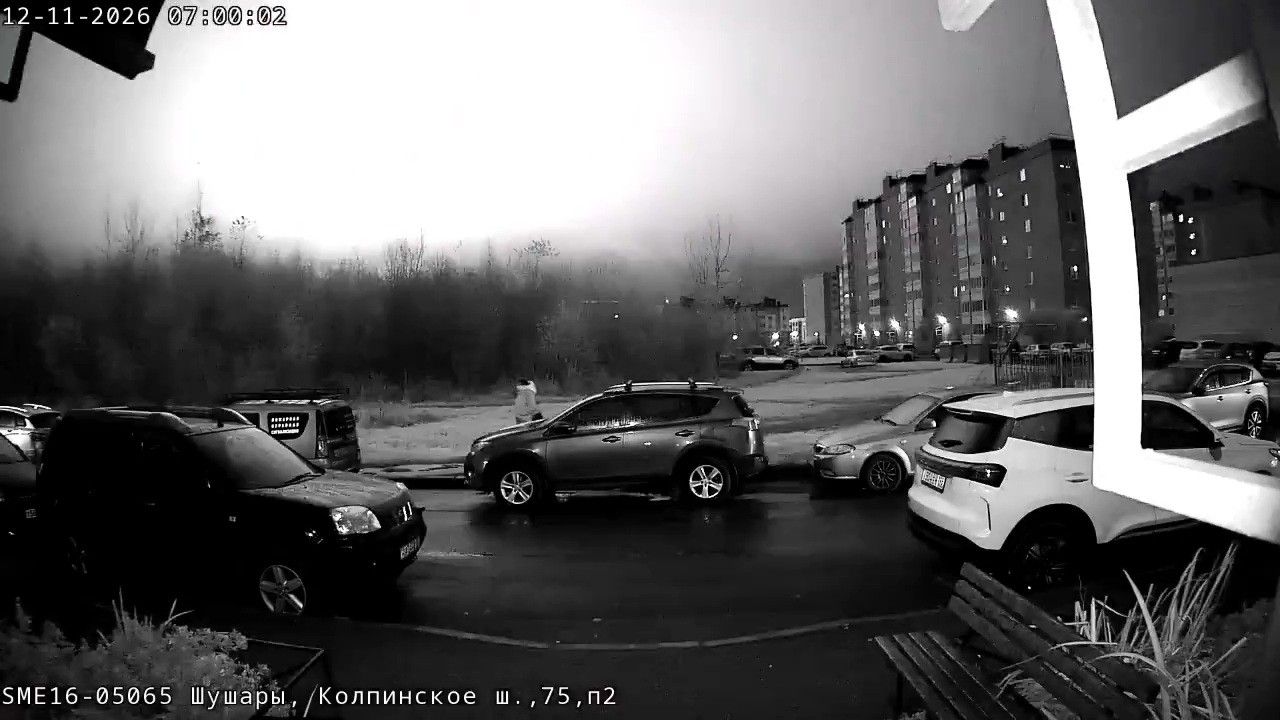
A Russian military officer was killed after an explosive device planted beneath his car detonated in St Petersburg. Two bystanders were also injured.
The attack took place far from the Ukrainian front and has triggered a murder investigation by Russia’s Investigative Committee. It is another example of senior Russian military personnel being targeted inside the Russian Federation.
Author: Artur Marciniak
MiGs for anti-drone systems. An agreement between Poland and Ukraine
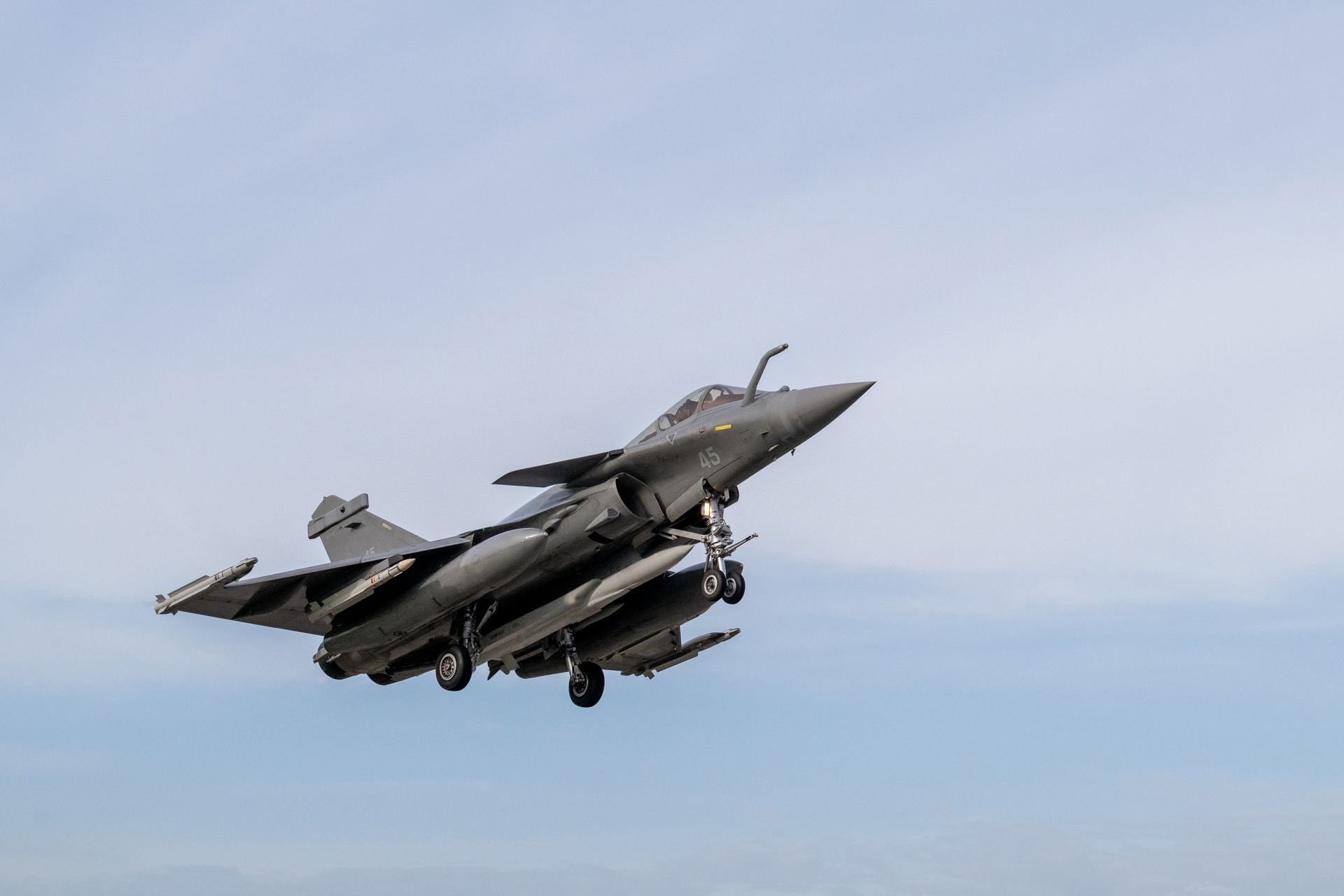
Poland is close to transferring another two MiG-29 fighters to Ukraine in exchange for Ukrainian drone and counter-drone technologies. Deputy Defence Minister Cezary Tomczyk says the details are being finalised.
Poland has already transferred 14 MiG-29s to Ukraine since March 2023. Warsaw is also providing another military assistance package worth approximately €50 million.
Author: Michał Górski

France embraces adaptive deterrence. Poland joins forward nuclear deterrence programme
France is developing a more flexible concept of nuclear deterrence while expanding its forward deterrence cooperation with ten European countries, including Poland.
Warsaw is already participating in a Polish-French nuclear steering group. However, the French offer has clear limits: decisions concerning the possible use of nuclear weapons remain exclusively with the French President, and Paris is not offering partners an automatic nuclear guarantee.
Author: Aleksander Olech
The war in Ukraine has brought industrial warfare back to Europe
The war in Ukraine has restored the importance of mass armies, artillery ammunition, logistics and defence-industrial capacity after decades in which Western militaries concentrated heavily on expeditionary operations.
At the same time, the conflict is not simply a return to twentieth-century warfare. Drones, satellite reconnaissance and digital command systems operate alongside tanks and artillery, making the ability to produce, replace and adapt equipment as important as technological sophistication.
Author: Agnieszka Rogozińska

Comments from German media on the terrorist attack in Kraków
German media have devoted extensive attention to the terrorist attack in Kraków on 7 November, focusing not only on the casualties but also on Poland’s domestic security situation and increasing political polarisation.
Several outlets described the attack as a turning point for a country long perceived as one of Europe’s safer states. German reporting also highlighted the rapid police response while warning against prematurely linking the attacker to particular political movements.
Author: Sebastian Wojciechowski

Orbital deterrence against Russia? German space company has a secret plan
German company ATMOS Space Cargo is exploring a concept for a conventional precision weapon capable of striking ground targets from orbit. The proposed system would build on technology developed for reusable space capsules.
The idea is to create a conventional deterrent capable of reaching targets anywhere on Earth within a very short timeframe. The concept remains at an early stage, but ATMOS already has a subsidiary in Kraków, creating potential opportunities for Polish industry.
Author: Kacper Kremiec

Kushner's new security deal for Europe has a Russia problem
Jared Kushner has proposed a broader European security architecture as part of American efforts to resolve the war in Ukraine. The concept would include permanent consultations, crisis communications, military transparency and mechanisms to reduce escalation risks.
The fundamental problem is Russia. Moscow continues to demand limitations on NATO enlargement, foreign military infrastructure and sanctions — positions that directly contradict the principle that European states should be free to choose their own alliances.
Author: Alexander Pirozhnikov

The Moscow CSTO summit: Between new challenges and old illusions
Russia used the CSTO summit in Moscow to promote closer cooperation on counter-terrorism, defence technologies and a new Eurasian security architecture.
Behind the declarations, however, the organisation continues to face serious problems of credibility and cohesion. Moscow wants to present the CSTO as a meaningful security bloc even as several member states increasingly question Russia’s ability to provide effective security guarantees.
Author: Maciej Kolasa
NATO's 2026 resilience requirements tie civilian systems to defence plans
NATO’s updated resilience requirements directly connect civilian systems — including energy, healthcare, communications, transport, food and water — with the Alliance’s ability to conduct military operations.
For Poland, this means that civilian infrastructure must be capable of supporting the movement and sustainment of allied forces on the eastern flank. NATO increasingly treats national resilience as a practical component of defence planning rather than a separate civilian issue.
Author: Agnieszka Rogozińska
Russia recruits ahead of elections. Cyberattacks for crypto and propaganda from Vietnam
Researchers monitoring Spain ahead of its parliamentary elections have uncovered Russian-language and pro-Russian networks recruiting people for cyberattacks, intelligence gathering and even military service.
The wider ecosystem also includes fake Spanish media pages administered from countries including Vietnam and campaigns using artificial intelligence to spread claims of electoral fraud. The case illustrates how cybercrime, recruitment and information operations can reinforce one another.
Author: Piotr Pilewski

Europe at the table: EU participation in the Abu Dhabi peace talks
European representatives joined the diplomatic process surrounding US-Russian-Ukrainian negotiations in Abu Dhabi, although EU officials were not direct participants in the principal talks.
The issue is crucial because discussions increasingly concern not only a potential ceasefire but also a future European security architecture. EU institutions and major European governments therefore want to ensure that Washington and Moscow do not shape the continent’s security arrangements without European participation.
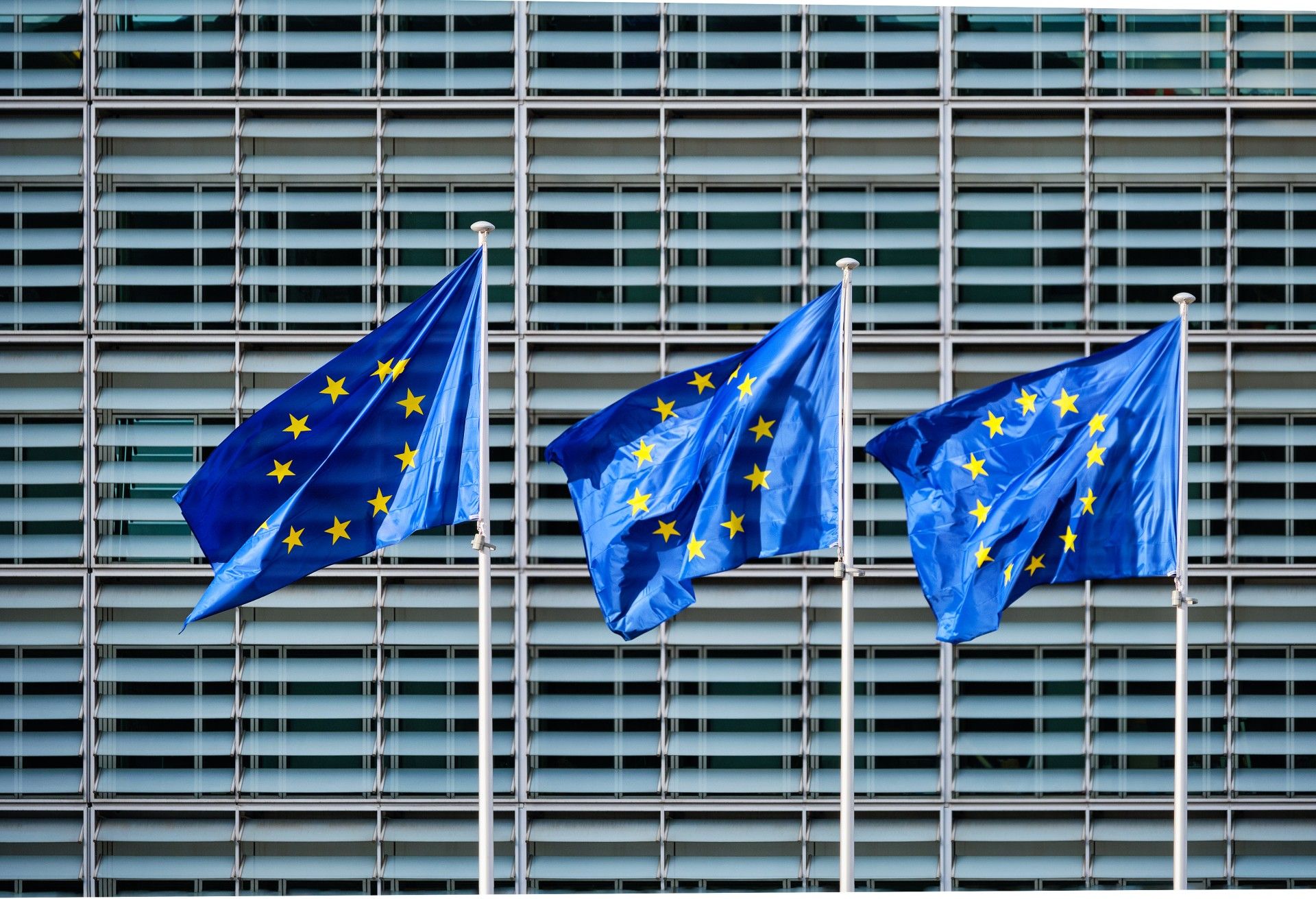
USA: $400 million in military aid for Ukraine
The Pentagon has informed Kyiv that another US military assistance package worth approximately $400 million is expected to become available.
The precise contents have not yet been announced, but Ukraine continues to prioritise PAC-3 interceptors for Patriot systems, NASAMS missiles and weapons for F-16 fighters. The next Ukraine Defence Contact Group meeting is scheduled for 17 November.
Author: Michał Górski
Germany drops Chinese drones citing security concerns
Germany is removing Chinese-made commercial drones from Bundeswehr use because of concerns over military, IT and data security.
Officials fear that commercially available systems could potentially transmit sensitive information concerning military bases, exercises or weapons. Berlin will replace them with German or other European platforms, including in training roles previously considered non-sensitive.
Author: Jakub Bielamowicz
Poland has trained 25,000 Ukrainian soldiers
Around 100,000 Ukrainian soldiers have now been trained under the EU Military Assistance Mission, with almost 25,000 receiving training in Poland.
Courses have evolved from basic military preparation towards specialised instruction in command and control, battlefield medicine, mine clearance, logistics, communications and Western military equipment. Ukrainian combat experience is also feeding lessons back into European training programmes.
Author: Michał Górski


