- WIADOMOŚCI
East Front News #96: Poland signs a historic document with the UK and NATO maneuvers near Russia

East Front News is a weekly newsletter summarizing the past week’s most important events concerning security and the situation in the Central and Eastern Europe region. It includes original opinions and comments, along with key news items significant from a Polish perspective. If you would like to receive this newsletter, please sign up by clicking
France brings Norway under its deterrence
France and Norway have signed the Narvik Agreement, expanding cooperation in defence, cybersecurity, maritime security and support for Ukraine. The agreement is also politically important because Norway is joining France’s discussion on „advanced deterrence”, linked to Emmanuel Macron’s vision of a stronger European security framework based partly on French nuclear capabilities.
The agreement reflects growing European concerns about security and uncertainty surrounding future U.S. guarantees. France is positioning itself as a leading European power capable of shaping deterrence policy, while Norway strengthens its ties with key European allies alongside NATO cooperation.
Author: Aleksander Olech

Nine countries leave Czech-led ammunition coalition for Ukraine
The Czech-led initiative supplying artillery ammunition to Ukraine is facing difficulties after nine participating countries reportedly stopped contributing financially. Since its launch in 2024, the programme has delivered around 4 million artillery shells to Ukraine, covering a significant part of Kyiv’s battlefield needs.
Czech President Petr Pavel warned that the initiative cannot easily be replaced and stressed that its future should be discussed during the NATO summit in Ankara. Germany and several Nordic countries remain involved, while political scepticism inside the Czech government has also weakened support for the programme.
Author: Kacper Kremiec
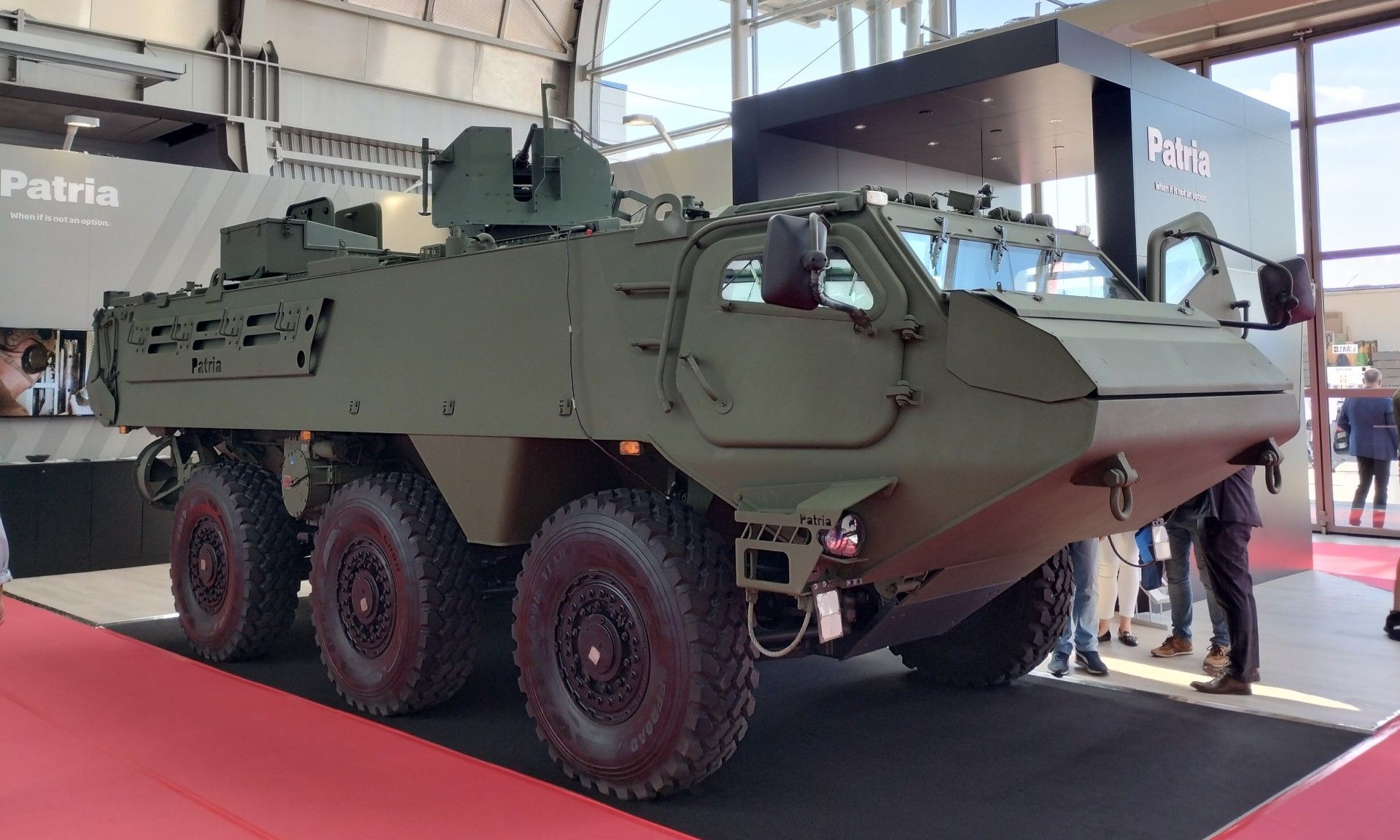
Lithuania buys Patria vehicles to counter growing threats
Lithuania’s State Defence Council approved the purchase of 936 Finnish Patria armoured vehicles, with the first deliveries expected before the end of the decade. Some of the vehicles will also be produced in Lithuania, strengthening domestic defence capabilities.
Lithuanian authorities emphasised that the worsening security environment near Russia and the war in Ukraine require faster military modernisation. The country is also investing in radar systems, drone interception technologies and integrated defence software.
Author: Patryk Jagnieża
NATO chooses France for AI
NATO is expected to establish its new artificial intelligence Centre of Excellence in Rennes, France. The centre will support military AI development in areas such as cyber defence, command systems, intelligence and operational planning.
For France, hosting the centre strengthens its ambition to become a European leader in defence technology and military AI. The initiative also highlights NATO’s growing focus on artificial intelligence as a key element of future warfare and alliance interoperability.
Author: Aleksander Olech
See also 
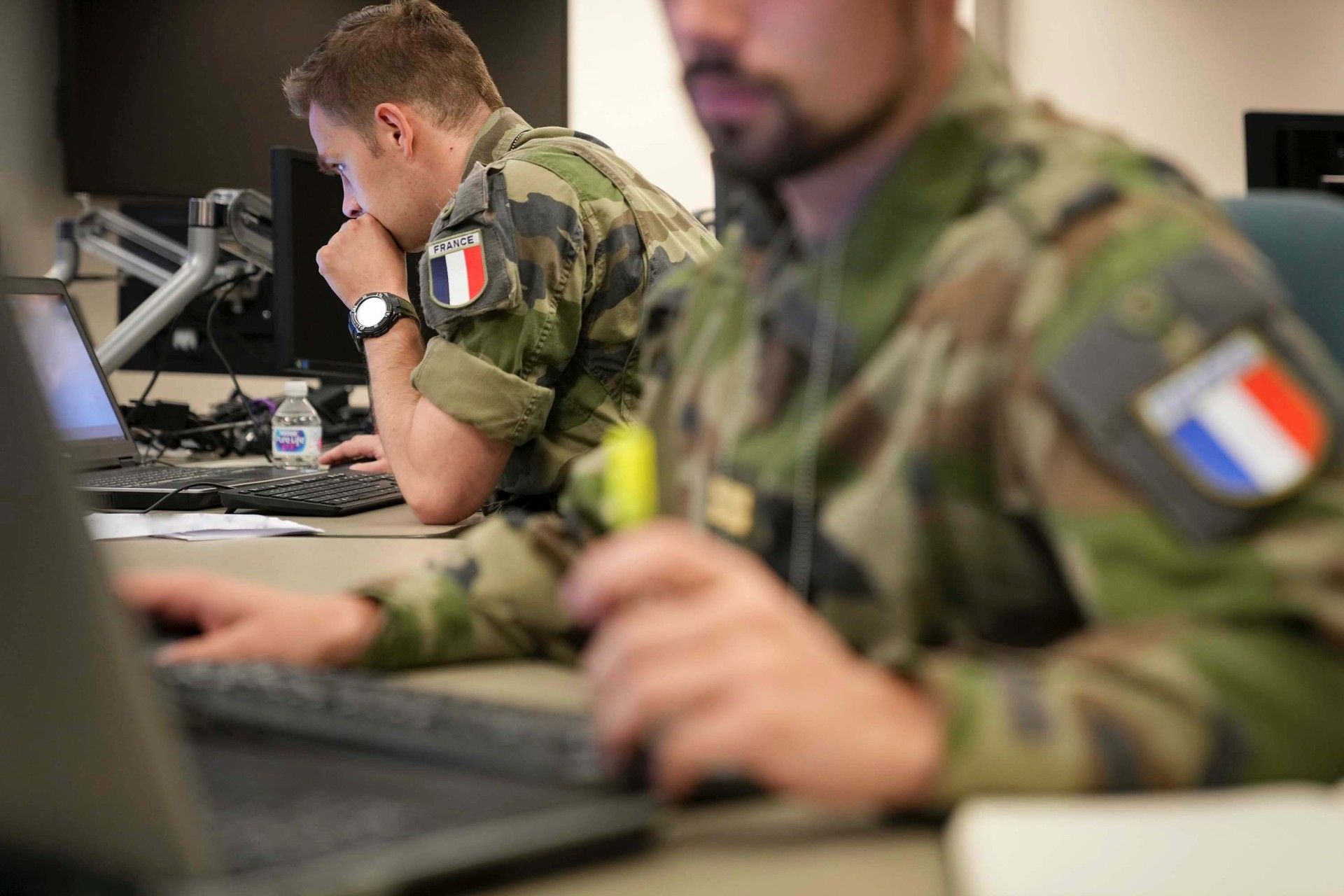
"A historic document": details of the Polish-British defence treaty
Poland and the United Kingdom signed a new treaty on security and defence cooperation in London. The agreement focuses on strengthening bilateral military cooperation, cybersecurity, defence industries and support for Ukraine while reinforcing NATO structures.
The treaty also includes plans for joint air-defence projects, anti-drone cooperation and countering hybrid threats such as cyberattacks and disinformation. Both governments stressed that the agreement is designed to strengthen European and transatlantic security cooperation.
Author: Michał Górski

France wants Ukraine's drones, but Europe should pay
France wants to become a leading organiser of European-Ukrainian drone production by combining Ukrainian battlefield experience with European industrial and financial resources. Paris sees this as an opportunity to strengthen its defence industry and political influence in Europe.
The article argues that while cooperation could benefit Ukraine and Europe, France is also pursuing its own strategic interests. Concerns remain that Ukraine could lose control over its wartime innovations if the initiative becomes dominated by French leadership and EU funding mechanisms.
Author: Aleksander Olech
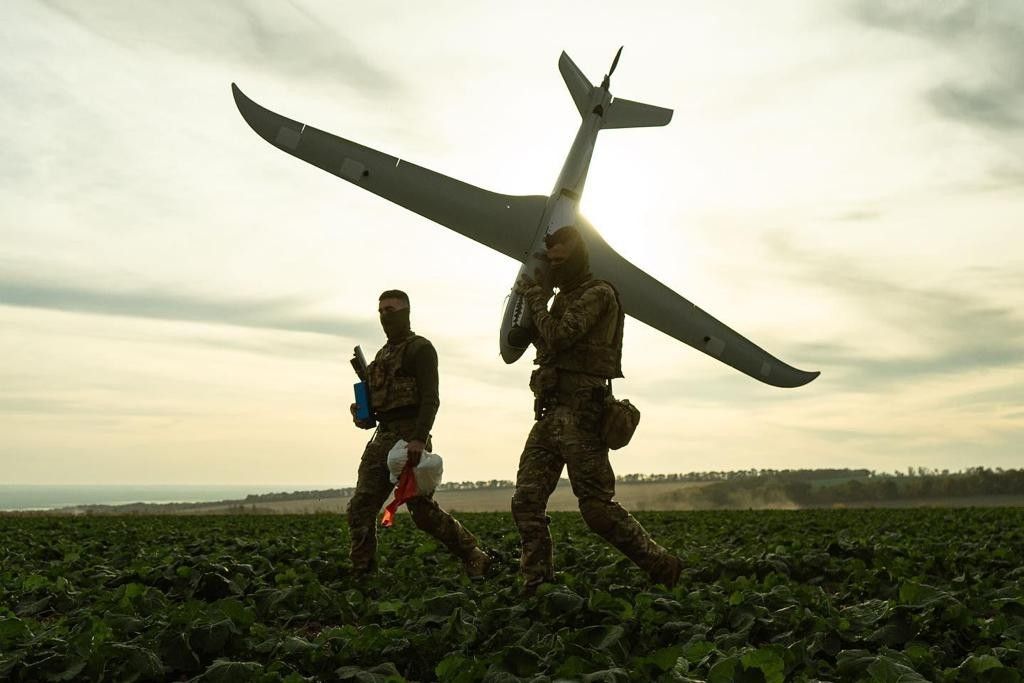
Türkiye's opposition in crisis: a new phase of political confrontation
Türkiye’s main opposition party, CHP, is facing a serious internal and political crisis after a court invalidated Özgür Özel’s leadership election and reinstated former leader Kemal Kılıçdaroğlu. The decision triggered protests and accusations of political interference in the judiciary.
The conflict reflects deeper tensions within Turkish politics and growing concerns about democratic standards under President Recep Tayyip Erdoğan. Analysts warn that the crisis could weaken the opposition ahead of future elections and deepen political polarisation in Türkiye.
Author: Natalia Potera

Sweden sells Gripens to Ukraine with Europe's money
Sweden plans to help Ukraine acquire up to 20 new Gripen E/F fighter jets using EU financial instruments, while also considering the transfer of older Gripen C/D aircraft. The strategy combines military assistance for Ukraine with support for Sweden’s domestic defence industry.
The article highlights that Gripens are well suited to Ukraine’s wartime conditions because they can operate from dispersed locations and shorter runways. At the same time, Stockholm is strengthening Saab’s international position and building long-term defence ties with Kyiv.
Author: Aleksander Olech

Strengthening the flank: NATO maneuvers near Russia
Large NATO military exercises are taking place in Finland near the Russian border, involving more than 5,000 troops from several allied countries. The manoeuvres are designed to prepare forces for operations in extremely difficult terrain and harsh Arctic-like conditions.
The exercises form part of the broader „Sword 26” operations focused on NATO’s north-eastern flank. Finland, which joined NATO in 2023, is playing an increasingly important role in strengthening the alliance’s regional deterrence posture.
Author: Patryk Jagnieża

America's invisible shield. How does NORAD work today?
NORAD and USNORTHCOM continue adapting to modern threats including drones, cyberattacks and advanced missile systems. In an interview, officials explained that homeland defence increasingly depends on artificial intelligence, space assets and stronger cooperation with allies.
The discussion also highlighted the importance of NATO cooperation and lessons learned from recent conflicts, especially in cybersecurity and hybrid warfare. Central and Eastern European countries were recognised for their experience in resilience against Russian threats.
Author: Aleksander Olech

Zelenskyy rejects Merz's EU waiting room for Ukraine
Ukrainian President Volodymyr Zelenskyy rejected Germany’s proposal to grant Ukraine an „associate member” status in the European Union before full accession. Kyiv fears such a model could delay real membership and leave Ukraine without full voting rights or political influence.
Germany presented the proposal as a temporary bridge towards EU membership, including limited participation in EU institutions and possible financial support. Ukraine insists, however, that integration should lead directly to full membership rather than a second-tier status.
Author: Jakub Bielamowicz

A new U.S. initiative against drones
The United States has expanded the JIATF-401 programme, allowing allies such as Poland, Australia and South Korea to gain easier access to advanced counter-drone technologies. The initiative aims to speed up procurement and strengthen cooperation against drone threats.
The platform enables joint purchases and reduces bureaucratic barriers while supporting the expansion of U.S. defence production capacity. Other countries, including the United Kingdom and Romania, are already involved in the programme.
Author: Michał Górski
See also