












- WIADOMOŚCI
East Front News #110: Russia is testing Europe

Photo. Defence24
East Front News is a weekly newsletter summarizing the past week’s most important events concerning security and the situation in the Central and Eastern Europe region. It includes original opinions and comments, along with key news items significant from a Polish perspective. If you would like to receive this newsletter, please sign up by clicking
Russia is testing Europe's intelligence services
Russian sabotage operations in Europe are expected to intensify, targeting defence production, logistics and critical infrastructure while remaining below the threshold of conventional warfare.
Europe therefore needs much closer intelligence and counter-intelligence cooperation. Major Western services provide global capabilities, while Poland, the Baltic states and Ukraine contribute proximity, operational experience and detailed knowledge of Russian methods.
Author: Aleksander Olech

Sabotage and diversion demand our response
The growing number of suspected sabotage and diversion incidents in Poland and across Europe demonstrates the scale of the Russian covert threat. Defence facilities, transport infrastructure and logistics supporting Ukraine are particularly vulnerable.
Effective protection requires stronger counter-intelligence, long-term investment in personnel and technology, and closer cooperation between public institutions and private companies responsible for critical infrastructure.
Author: Jacek Marcin Raubo

Germany must turn defence spending into military power
Germany is entering a decisive phase of its military transformation. Higher defence expenditure must now translate into combat-ready formations, ammunition stocks, industrial capacity and stronger national resilience.
Berlin is also expected to become one of NATO’s key logistical and industrial hubs, capable of supporting the movement and sustainment of allied forces towards the eastern flank.
Author: Aleksander Olech

The EU wants to target Russian arms companies
EU foreign ministers are discussing new measures against Russia following a series of suspected sabotage operations across Europe. Moscow’s hybrid activities are increasingly being treated as a coordinated security challenge.
Possible responses include additional legal and economic restrictions targeting companies connected with Russia’s defence industry and organisations supporting the Kremlin’s war effort.
Author: Michał Górski

Reform of the Polish Armed Forces. How to build an army capable of quick mobilisation?
Poland needs a military structure capable not only of operating effectively in peacetime but also of rapidly expanding during a prolonged conflict. The debate concerns both the target size of the Armed Forces and the effectiveness of the reserve system.
A credible mobilisation model requires trained reserves, appropriate infrastructure, equipment and procedures that allow Poland to substantially increase the size of its military when the security situation demands it.
Author: Jarosław Gromadziński

Türkiye and Israel enter a new phase of confrontation
The rivalry between Türkiye and Israel intensified in August 2026, moving from diplomatic confrontation towards military incidents and legal disputes. Syria has become one of the main areas where their interests collide.
Ankara and Jerusalem are competing over the future regional balance of power, while domestic political considerations are also influencing their actions. The United States is trying to prevent further escalation between two important regional partners.
Author: Natalia Adrianna Potera

Nordic defence giants join forces. Will Europe's security change?
Ericsson, Kongsberg, Nokia, Patria and Saab have launched a joint defence initiative under the Nordic Compass industry alliance, bringing together some of Northern Europe’s most important technology and defence companies.
The cooperation is intended to accelerate work on integrated defence systems and strengthen the Nordic defence-industrial base as European countries seek greater technological resilience and production capacity.
Author: Mateusz Gibała

SCO tests its limits
The Shanghai Cooperation Organisation summit again brought together states seeking a more multipolar international system, but major differences between its members continue to limit the organisation’s cohesion.
China and Russia remain the principal political forces within the SCO, while India, Central Asian states and other members pursue their own interests. The organisation’s growing visibility therefore does not necessarily translate into genuine strategic unity.
Author: Aleksander Olech
See also 

Is Narva the next Crimea?
Russian narratives increasingly portray Estonia’s predominantly Russian-speaking city of Narva as a possible centre of separatism. Available evidence does not indicate that a significant separatist movement is actually developing there.
The threat lies instead in Russia’s ability to manufacture perceptions of instability. Such narratives can undermine confidence in the Estonian state and create conditions for future information or hybrid operations.
Author: Elsi Paas
See also
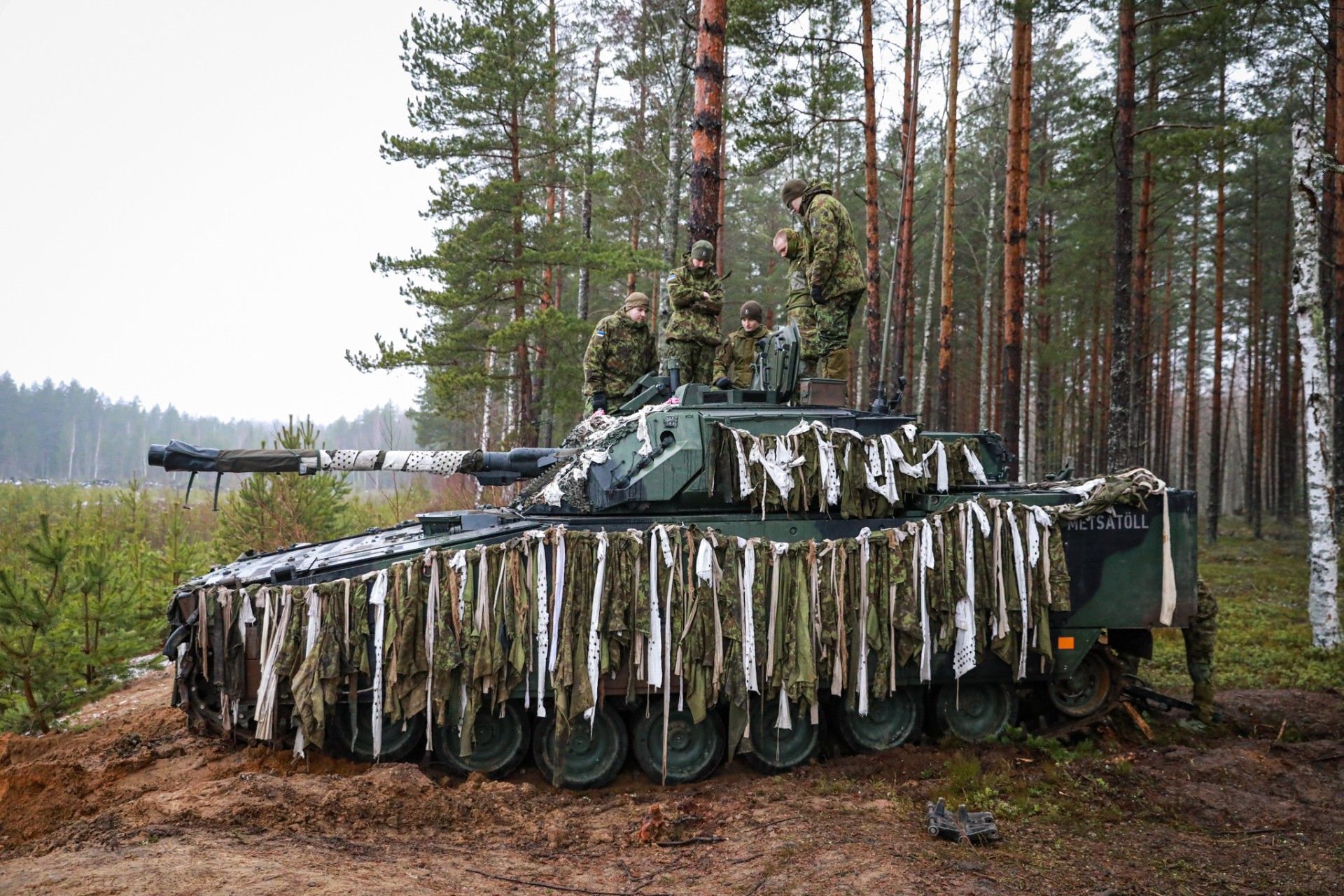
Putin-Erdoğan meeting. Discussions on the economy and Ukraine take place in the background
Vladimir Putin and Recep Tayyip Erdoğan met on the sidelines of the Shanghai Cooperation Organisation summit, focusing publicly on economic relations and major energy projects.
The war in Ukraine nevertheless remained an important background issue. Türkiye continues to maintain channels with both Moscow and Kyiv while simultaneously strengthening its position within NATO.
Author: Wojciech Kozioł

Norwegian Army identifies seven priorities. New concept until 2040
Norway’s new Morgendagens Hær concept identifies seven priorities for developing its land forces through 2040, including greater firepower, artificial intelligence, electronic warfare and unmanned systems.
Lessons from Ukraine play a central role in the concept. Oslo wants faster experimentation, improved sensor-to-effector networks and closer integration between manned and unmanned capabilities.
Author: Mateusz Gibała

US Army Secretary steps down following a row with Hegseth
US Secretary of the Army Dan Driscoll has resigned following a prolonged dispute with Defence Secretary Pete Hegseth. Driscoll reportedly informed President Donald Trump personally about his decision.
His departure is another significant change within the Pentagon’s senior leadership and raises further questions about tensions surrounding the management and future direction of the US military.
Author: Michał Górski

Italy's Leonardo sets up Ukraine subsidiary and prepares Michelangelo Dome component for testing
Leonardo has established a wholly owned subsidiary in Kyiv, significantly expanding the Italian defence group’s direct presence in Ukraine’s defence technology sector.
The company is also preparing elements linked to its Michelangelo Dome integrated defence concept for testing. The move demonstrates deeper European industrial involvement in Ukraine and growing interest in new air and missile defence solutions.
Author: Giuseppe Adamo
See also
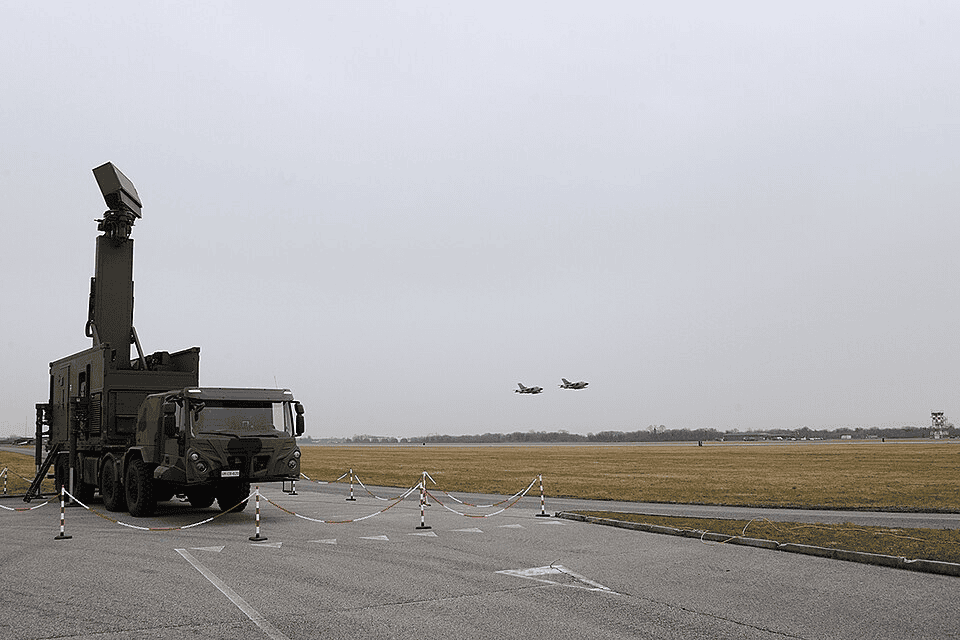
The hidden costs of war
The economic consequences of war extend far beyond destroyed infrastructure and direct military expenditure. Lost investment, weaker productivity, demographic decline and institutional deterioration may affect a country for decades.
These indirect effects are difficult to capture in national budgets but may eventually exceed the visible costs of military operations. Assessing the true price of war therefore requires examining what economies and societies lose over the long term.
Author: Andrzej Fałkowski
See also

Türkiye's new powerful weapon. They will be able to strike deep into enemy territory
Aselsan is developing the Tolun family of precision munitions designed to strike targets deep behind enemy lines. Three variants were demonstrated during trials at the Konya Karapınar firing range.
The weapons use different warheads and fuzes for engaging personnel, armoured vehicles and hardened structures. Tests also demonstrated resistance to GPS jamming and deployment from the Bayraktar Akıncı unmanned aircraft.
Author: Damian Ratka


